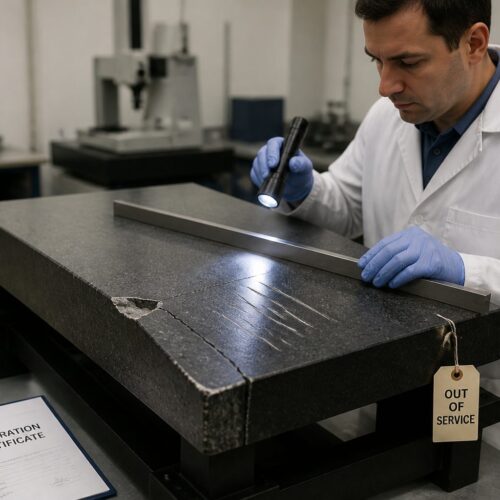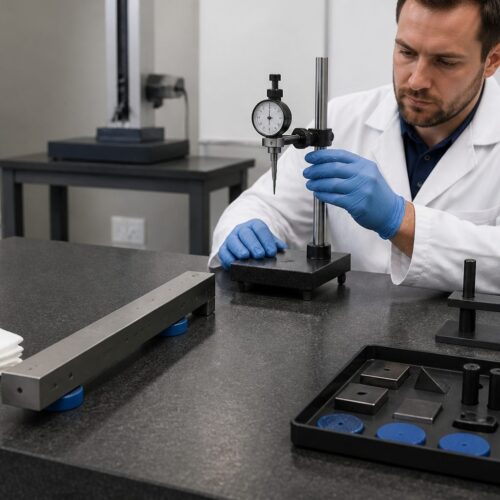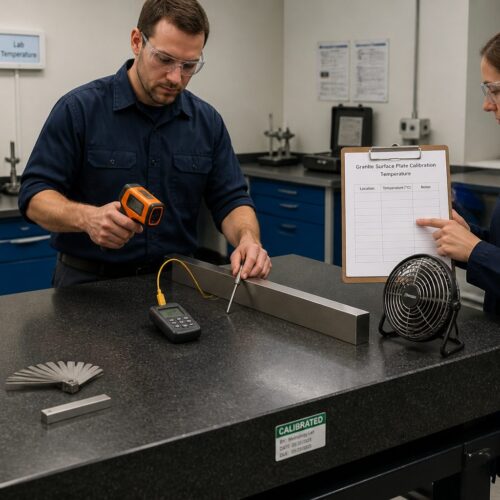

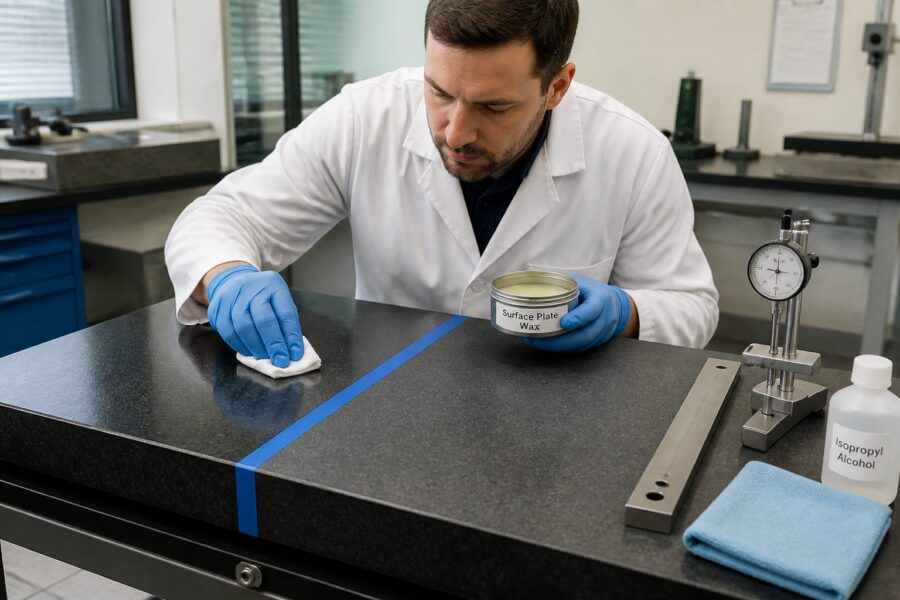
Maintaining the precision of a granite surface plate is critical for accurate metrology. Many shop managers wonder about the practice of surface plate wax use on granite, a topic that often sparks debate among metrology professionals. Some swear by it as a protective film, while others warn of potential issues like residue control and compromised cleaning compatibility.
This article cuts through the noise, offering a clear perspective on when waxing your surface plate makes sense and when it might actually hinder your work. We will discuss the right way to apply wax, ensuring you get its benefits without the common drawbacks. Understanding these nuances is key to preserving your investment and maintaining measurement integrity.
The goal is always to protect your precision instruments while ensuring they perform at their best. Let’s explore the ins and outs of surface plate wax use on granite, providing practical advice for every workshop. We want your granite to last and maintain its accuracy for years to come.
What wax is supposed to do on a surface plate
Many people believe that a proper surface plate wax use on granite creates a barrier against environmental contaminants. This protective film helps to shield the delicate granite surface from everyday dust, grit, and airborne particles. A good wax application makes it harder for these abrasive elements to embed themselves into the microscopic pores of the granite.
Another intended benefit is preventing moisture absorption, particularly in humid environments. Granite, while dense, is still somewhat porous, and prolonged exposure to moisture can lead to staining or even subtle dimensional changes over time. A wax layer acts as a hydrophobic shield, repelling water droplets and spills.
The wax also aims to reduce friction during tool movement, which can be a double-edged sword that we will discuss later. A smoother, lubricated surface allows measuring tools and workpieces to glide more easily across the plate. This can reduce wear on both the granite and the tools, potentially extending their lifespan.
Some users also find that a waxed surface is easier to clean, as dirt and debris are less likely to stick directly to the granite. Instead, contaminants sit on top of the wax layer, making them simpler to wipe away. This improves cleaning compatibility and supports better residue control during daily operations.
Ultimately, the primary goal of surface plate wax use on granite is to maintain the plate’s flatness and overall accuracy over its operational life. A well-maintained surface plate performs better and requires less frequent re-calibration. This means more reliable measurements and less downtime for your metrology lab.
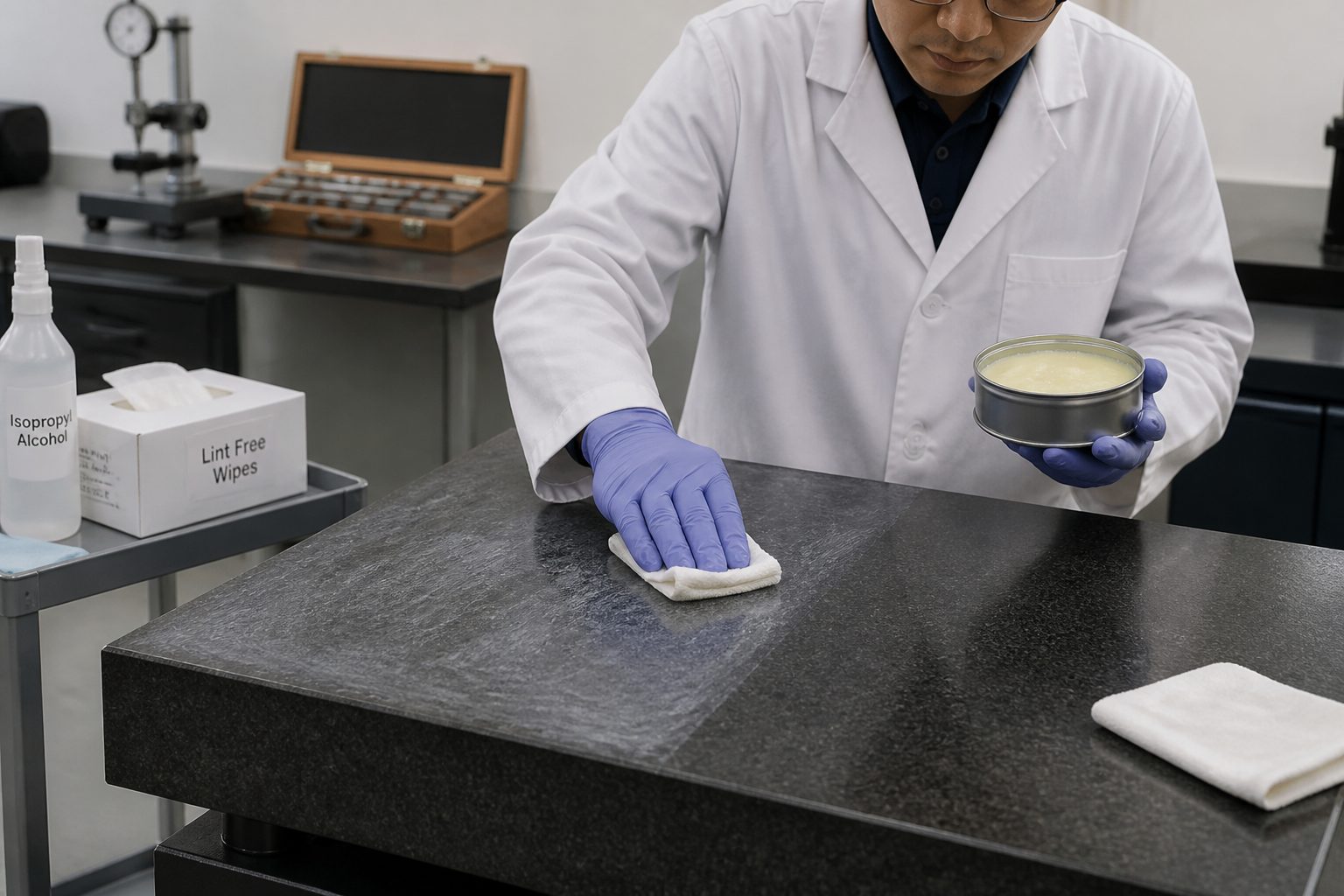
The wax is supposed to extend the life of the surface plate by preventing wear from constant tool movement. It acts as a sacrificial layer that takes the brunt of any abrasive action. This layer is much easier and cheaper to replace than the granite itself.
Situations where wax can cause more problems than it solves
While surface plate wax use on granite offers potential benefits, there are definite scenarios where it creates more headaches than solutions. One major issue arises when the wrong type of wax is used or applied too thickly, leading to a sticky buildup. This sticky residue attracts and traps dust, grit, and metal particles, turning your protective film into a detrimental abrasive layer.
Another problem occurs if the wax is not properly cured or buffed, resulting in a hazy or uneven surface. This unevenness can subtly affect measurement accuracy, especially when using sensitive instruments that rely on perfect contact with the surface plate. Any deviation from a uniform, smooth plane can introduce errors that are hard to detect.
In high-precision applications, the wax layer itself, no matter how thin, can introduce a micro-layer that interferes with direct contact between the workpiece and the granite. This is particularly problematic for wringing operations or when measuring with exceptionally tight tolerances. The wax can prevent the true metal-on-granite contact needed for optimal stability and accuracy.
Cleaning compatibility also becomes an issue if the wax reacts poorly with standard surface plate cleaners. Some waxes can break down into a gummy mess when exposed to certain solvents, making the cleaning process far more difficult and time-consuming. This can leave streaks or patches of residue that are hard to remove.
Furthermore, wax can affect the thermal stability of the surface plate. While granite itself has excellent thermal properties, an uneven or thick wax layer could potentially trap heat or create slight temperature differentials. This is a concern in climate-controlled metrology labs where even minor temperature fluctuations can impact measurements.
Using wax also adds a maintenance step that, if not performed correctly, can do more harm than good. Improper application or removal can scratch the granite or leave behind abrasive compounds. This defeats the entire purpose of using a protective film in the first place.
Choosing a product that won’t leave a sticky buildup
Selecting the correct product for surface plate wax use on granite is perhaps the most critical step in avoiding common pitfalls. Many general-purpose waxes are simply not designed for the unique demands of a precision metrology surface. You want a wax specifically formulated for granite or stone, ideally one with a reputation for excellent residue control.
The best products will be non-abrasive, non-silicone, and quick-drying, ensuring they form a hard, slick protective film. Look for waxes that are easily buffed to a clear, streak-free finish without leaving any tacky residue behind. This prevents the surface from becoming a magnet for dust and other contaminants.
| Wax Type | Pros for Surface Plates | Cons for Surface Plates |
|---|---|---|
| Carnauba-based Waxes | Hard, durable protective film; good shine; natural origin. | Can be difficult to apply evenly; some formulations leave residue. |
| Synthetic Polymer Sealants | Excellent residue control; very thin, clear film; long-lasting. | Requires very clean surface for adhesion; higher cost. |
| Beeswax Blends | Natural, non-toxic; good for minor scratch filling; easy to apply. | Softer film, less durable; can attract dust if not fully buffed. |
| Microcrystalline Waxes | Very stable, inert; good protective film; minimal impact on slip. | Can be harder to find in suitable formulations; specialized use. |
| Silicone-based Waxes | High lubricity; water repellent. | Leaves difficult-to-remove residue; can interfere with future repairs/calibration. |
Surface prep: getting the plate truly clean first
Before any surface plate wax use on granite, thorough surface preparation is absolutely non-negotiable. Applying wax to a dirty or contaminated surface plate defeats the entire purpose of creating a protective film and can lock in abrasive particles. You need to start with a pristine surface to achieve optimal results.
Begin by removing all tools, gauges, and workpieces from the surface plate. Use a soft, lint-free cloth or a specialized surface plate cleaning wipe to remove loose dust and debris. A gentle brush or air blower can also help dislodge stubborn particles from the surface.
Next, use a high-quality, professional-grade surface plate cleaner, specifically designed for granite. These cleaners are formulated to remove oils, grease, fingerprints, and other residues without harming the granite or leaving a film of their own. Avoid harsh household cleaners, which can contain acids or abrasives that damage the surface.
Apply the cleaner according to the manufacturer’s instructions, typically by spraying it onto the surface and wiping it off with a clean, lint-free cloth. Work in small sections to ensure even coverage and effective cleaning. Pay close attention to corners and edges where dirt can accumulate.
After cleaning, allow the surface plate to air dry completely, or use a second dry, lint-free cloth to ensure no moisture remains. Any residual moisture can prevent the wax from adhering properly and can lead to streaks or haze. A truly clean surface is essential for proper adhesion and a smooth finish.
Inspect the plate meticulously under good lighting after cleaning to ensure no spots or streaks remain. This thorough inspection confirms that the surface is ready for the wax application. Proper preparation ensures the wax can form an effective protective film, free from contaminants.
Application method: thin, even, and controlled
The application method for surface plate wax use on granite dictates whether you achieve a beneficial protective film or a sticky, problematic mess. The key principle here is “less is more”; you want an extremely thin, even coat, not a thick layer. Over-applying wax is one of the most common mistakes.
Use a clean, lint-free applicator pad or a soft cloth specifically designated for wax application. Dab a very small amount of wax onto the pad, ensuring it is not saturated. A little bit of wax goes a long way, especially on a large surface plate.
Apply the wax in small, overlapping circular motions across a manageable section of the surface plate. Work systematically, covering the entire surface without missing any spots. The goal is to spread the wax as thinly and uniformly as possible, almost to the point where it seems invisible.
Avoid applying excessive pressure, which can lead to uneven distribution or scratching. Let the applicator glide smoothly over the granite, leaving behind a barely perceptible sheen. This controlled application prevents thick spots that are hard to buff out and prone to residue control issues.
For larger surface plates, consider dividing the plate into quadrants and waxing one section at a time. This approach helps maintain control and ensures the wax does not dry prematurely before you have a chance to spread it evenly. Consistency across the entire surface is paramount for maintaining metrology standards.
Always follow the wax manufacturer’s instructions regarding drying times and reapplication, as these can vary significantly between products. This careful application method ensures the wax performs as intended, providing a uniform protective film without compromising precision. Proper technique is essential for successful surface plate wax use on granite.
Buffing and curing: avoiding haze and streaks
Once the wax has been thinly applied to your surface plate, the next crucial steps are proper buffing and curing to ensure a flawless finish. Skipping or rushing these stages is a direct path to a hazy, streaky, or sticky surface that undermines any benefits of surface plate wax use on granite. The goal is a perfectly clear, hard protective film.
Allow the wax to dry for the time specified by the manufacturer, which is typically a few minutes to an hour. This curing period allows the solvents to evaporate and the wax to harden, forming its intended protective layer. Rushing the buffing process can smear wet wax, creating streaks and compromising residue control.
- Use multiple clean, dry, lint-free microfiber cloths
- Buff in small, overlapping circular motions
- Apply light, consistent pressure
- Turn the cloth frequently to expose a clean surface
- Continue buffing until all haze disappears
- Perform a final polish with a fresh, dry cloth
- Inspect under bright light for evenness
Buffing should continue until the surface plate exhibits a uniform, clear sheen with no visible streaks, haziness, or tacky spots. The goal is to remove all excess wax, leaving behind only the microscopic protective film. This meticulous process ensures the surface retains its optical flatness and does not interfere with precise measurements.
After buffing, some waxes may benefit from an additional “curing” period, where the plate is left undisturbed for several hours or even overnight. This allows the wax to fully harden and bond with the granite, enhancing its durability and resistance to wear. Always refer to your specific product’s recommendations for optimal curing times.
A properly buffed and cured surface should feel incredibly smooth and slick to the touch, without any stickiness. It should also appear uniformly clean and clear, reflecting light evenly across its entire surface. This indicates successful residue control and the formation of an effective, non-interfering protective film.
This careful buffing and curing ensures that your surface plate wax use on granite actually improves the plate’s performance and protection. It also makes subsequent cleaning easier, as the smooth, hard surface resists dirt adhesion. A well-finished plate is a pleasure to work with.
How wax affects tool slip, wringing, and part movement
The impact of surface plate wax use on granite extends directly to the mechanics of metrology, specifically affecting tool slip, wringing, and part movement. A primary goal of waxing is to reduce friction, allowing instruments and workpieces to glide more smoothly across the surface. This can be beneficial for large or heavy parts that require easy repositioning.
However, this reduced friction can also be a disadvantage in certain situations, particularly when wringing gauge blocks or other precision components. Wringing relies on creating a near-perfect vacuum seal between two extremely flat surfaces, allowing them to adhere tightly. A wax layer, even a very thin one, can prevent this intimate contact, making wringing difficult or impossible.
The ideal surface for wringing is clean, dry granite, as its microscopic texture and inherent flatness facilitate the necessary adhesion. Introducing a wax layer, which acts as a lubricant, fundamentally alters the surface properties required for effective wringing. This means you might need to clean off a specific area if wringing is critical.
For general part movement, a waxed surface can be a boon, reducing the effort needed to slide heavy items and minimizing the risk of scratching the plate. The protective film takes the brunt of any sliding action, preserving the granite underneath. This makes large-scale measurements more manageable and less physically demanding.
On the other hand, for delicate measurements where precise, controlled movement is essential, too much slip can be a problem. Tools might slide unintentionally, making fine adjustments challenging. Operators need to adjust their technique to account for the reduced friction, which can take some getting used to.
Understanding these trade-offs is crucial for deciding whether surface plate wax use on granite is appropriate for your specific applications. If wringing is a frequent requirement, you might reconsider waxing, or at least prepare specific unwaxed zones. For general inspection and layout work, the enhanced slip might be a welcome feature.
Cleaning a waxed plate during regular use
One of the purported benefits of surface plate wax use on granite is easier daily cleaning, assuming proper application and residue control. When the wax forms a hard, slick protective film, it acts as a barrier, preventing dirt and debris from embedding directly into the granite’s pores. This makes routine cleanup more efficient.
During regular use, you should still wipe down your waxed surface plate frequently, ideally after each use or at the end of the day. Use a clean, soft, lint-free cloth or specialized surface plate cleaning wipes. This simple step removes loose dust, metal chips, and other contaminants before they can build up.
For more stubborn smudges or light oil residue, a small amount of a mild, granite-safe cleaner can be used. Be cautious with the cleaner type; ensure it is compatible with your specific wax, as some solvents can strip the wax or turn it gummy. Always test a small, inconspicuous area first to check for cleaning compatibility.
When cleaning, avoid abrasive cloths, paper towels, or any materials that could scratch the wax layer or the granite beneath. Gentle wiping motions are sufficient to lift dirt from the waxed surface. Excessive scrubbing is rarely necessary on a properly waxed plate.
Always ensure the plate is completely dry after cleaning before resuming measurements. Any residual moisture can attract new contaminants or interfere with sensitive instruments. A quick wipe with a dry, lint-free cloth after using a cleaner helps maintain the integrity of the wax layer.
The goal of daily cleaning is to maintain the integrity of the protective film and prevent the need for frequent re-waxing. Effective residue control through routine maintenance extends the life of your wax application. This approach ensures your surface plate remains accurate and ready for use.
Removing old wax safely when it starts to trap dirt
Even with meticulous surface plate wax use on granite, the protective film will eventually degrade, accumulate dirt, or become uneven, necessitating its complete removal. Knowing how to safely strip old wax is crucial to maintain your surface plate’s precision and prevent long-term damage. Improper removal can leave stubborn residues or even scratch the granite.
The first sign that wax needs removal is typically a noticeable decrease in residue control, where the surface starts to feel tacky or appears dull and dirty even after cleaning. You might also observe uneven tool slip or a general lack of the smooth, slick feeling the fresh wax provided. These are clear indicators that the protective film is failing.
To safely remove old wax, you need a specialized wax stripper or a strong, granite-safe solvent. Many surface plate cleaner manufacturers also offer dedicated wax removal solutions. Do not use harsh industrial solvents or acidic cleaners, as these can permanently damage the granite surface or etch its finish.
Apply the wax stripper generously to a manageable section of the surface plate, allowing it to penetrate and soften the old wax. Follow the product’s dwell time instructions carefully, as this allows the chemicals to work effectively without drying out. You might see the wax begin to lift or dissolve.
Using a clean, non-abrasive plastic scraper or a stiff nylon brush, gently agitate the softened wax and wipe it away with clean, lint-free cloths. Change cloths frequently to avoid spreading dissolved wax and dirt back onto the surface. You may need multiple applications and passes to ensure all wax residue is completely removed.
After all visible wax is gone, thoroughly clean the entire surface plate with your standard granite cleaner to remove any remaining stripper residue. Then, rinse the plate several times with distilled water and dry it completely. This ensures the surface is truly bare and ready for re-waxing, or for use without wax.
Setting a schedule based on your environment and usage
Determining the optimal frequency for surface plate wax use on granite is not a one-size-fits-all answer; it depends heavily on your specific workshop environment and the intensity of your plate’s usage. A well-thought-out schedule ensures you maintain the protective film effectively without over-waxing. This approach balances maintenance effort with sustained precision.
In a high-dust or high-humidity environment, you might find that the wax layer degrades more quickly, necessitating more frequent reapplication. Airborne particles can embed themselves into the wax, and moisture can compromise its integrity faster. Conversely, a clean, climate-controlled metrology lab might require less frequent waxing.
The type and volume of work performed on the surface plate also play a significant role. Plates used for heavy, abrasive parts or those with constant tool movement will experience more wear on the wax layer. A plate used only occasionally for light inspection might hold its wax much longer, requiring less frequent attention.
As a general guideline, for moderately used surface plates in a typical workshop, re-waxing every 3 to 6 months might be appropriate. However, this is just a starting point, and you should adjust based on observation. Regularly inspect your plate for signs of wear, dullness, or compromised residue control.
If you notice the protective film is no longer slick, if tools are dragging, or if cleaning compatibility becomes an issue, it is likely time for a fresh application. Pay attention to areas of high traffic or frequent tool placement, as these spots will show wear first. These visual cues are your best indicators for scheduling maintenance.
Some users opt for a “spot waxing” approach, where only heavily used sections are re-waxed more frequently, while the entire plate gets a full treatment less often. This can be an efficient way to manage maintenance, but it requires careful blending to avoid unevenness. Consistency in surface plate wax use on granite prevents performance variations.
Conclusion
The decision to use surface plate wax on granite is a nuanced one, with clear benefits balanced against potential drawbacks. When chosen wisely and applied correctly, a high-quality wax can indeed provide a valuable protective film, enhancing the longevity and ease of cleaning for your precision instrument. It helps with residue control and cleaning compatibility.
However, the wrong product or improper application can quickly turn this protective measure into a source of frustration, leading to sticky buildup, compromised accuracy, and increased maintenance headaches. The key to success lies in understanding the specific needs of your metrology setup and adhering to best practices. This includes selecting the right wax and meticulous application.
Prioritizing thorough surface preparation is paramount, ensuring your granite is pristine before any wax touches it. A thin, even application followed by diligent buffing and curing ensures the wax performs as intended, creating a hard, slick surface that supports accurate measurements. This process avoids haze and streaks.
Remember to consider how wax affects tool slip and wringing operations, adjusting your maintenance schedule based on your environment and usage patterns. Regularly inspect your plate for signs of wear or diminished performance, knowing when it is time to reapply or completely strip the old wax. This proactive approach ensures optimal performance.
Ultimately, surface plate wax use on granite is a tool, not a magic bullet. When wielded with knowledge and care, it can be a valuable asset in maintaining the integrity of your granite surface plate. Treat your precision tools with the respect they deserve, and they will serve you reliably for years to come.
By following these guidelines, you can leverage the advantages of a waxed surface plate while effectively mitigating the risks. Your commitment to proper maintenance ensures consistent accuracy in all your metrology applications. This helps to protect your investment in high-quality granite calibration standards.