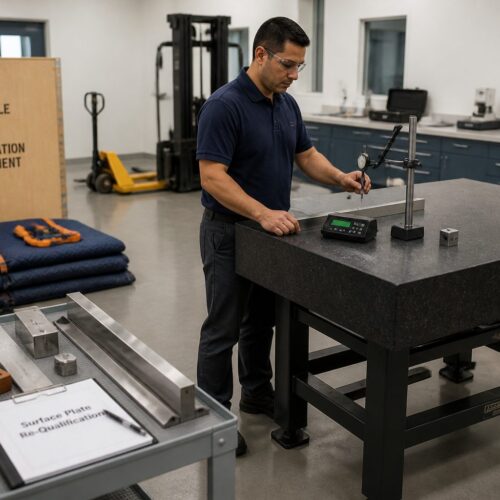

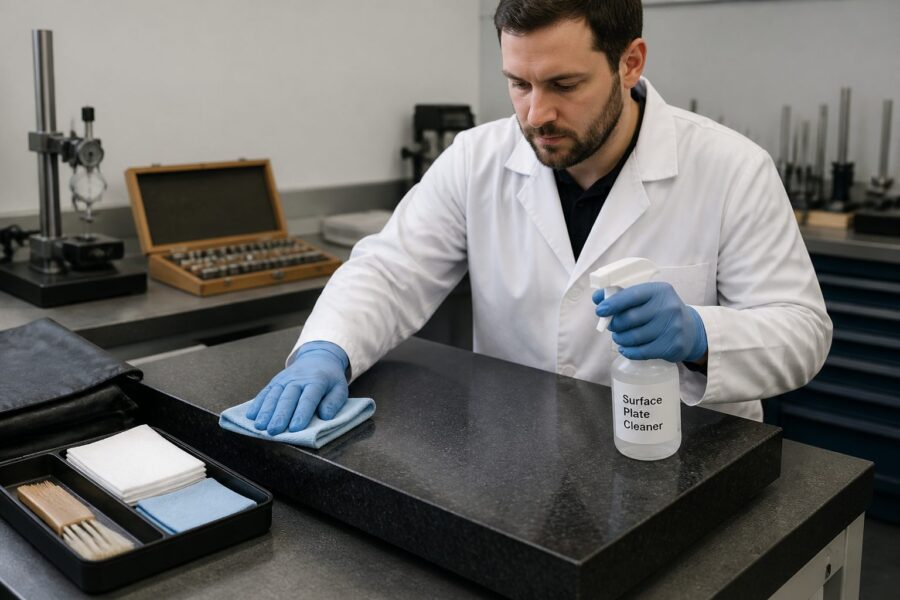
Consistent surface plate cleaning is crucial for maintaining precision. Neglecting this routine introduces measurement errors, compromising metrology work. A clean surface ensures accurate readings and extends the lifespan of your valuable granite calibration standards.
Granite surface plates are indispensable in metrology, providing the ultimate reference plane for precision measurements. Their accuracy, however, relies entirely on cleanliness. Microscopic debris and oily films accumulate quickly, creating minute high spots that compromise sensitive measurements. A proper cleaning procedure is critical for preserving your investment and maintaining measurement confidence.
This guide covers effective cleaning practices, from daily wipe-downs to tackling stubborn residues, and proactive maintenance strategies. We’ll show you how to protect your granite surface plate from common damage, ensuring it remains a reliable foundation for precision tasks, safeguarding your investment, and ensuring compliance.
Why Cleaning Matters More Than You Think
A surface plate’s cleanliness directly impacts measurement accuracy. Tiny, often invisible particles create significant errors (e.g., cosine or Abbe error) by altering contact points. This leads to costly rework or rejected parts, impacting operational efficiency and reputation.
Your surface plate is a highly sensitive instrument requiring careful attention. Dust, oils, coolant mist, and abrasive contamination from nearby operations create a micro-layer compromising its integrity. Neglect degrades flatness, leading to costly re-lapping and downtime. Regular, meticulous cleaning is your first defense against deterioration and crucial preventative maintenance.
Neglected surfaces develop wear spots or micro-scratches from trapped grit. This damage often requires expensive re-lapping, taking the plate out of service. Thorough cleaning prevents long-term degradation, preserving original accuracy.
Contaminant accumulation interferes with smooth gage and tool movement, causing inaccurate readings due to friction or uneven contact. Consistent cleaning ensures instruments glide freely, making measurements repeatable and reliable, essential for quality control.
A diligent cleaning procedure invests in accuracy and longevity. It reduces frequent recalibration needs and maintains metrology standards. This habit protects precision and your bottom line, ensuring optimal equipment performance.
What to Avoid: Common Products and Habits That Damage Granite
Using wrong cleaning agents can be more detrimental than no cleaning. Many household cleaners contain acids, alkalis, or abrasives that etch porous granite, altering flatness and absorbing into pores. These can leach out, contaminating future measurements or reacting with precision fluids.
Avoid harsh solvents (e.g., acetone, paint thinner, strong degreasers) unless specifically formulated for granite. They strip sealants and leave residue. For stubborn grime, use a specialized granite plate cleaner; these are pH-neutral, non-abrasive, and residue-free, preserving integrity and calibration.
| Harmful Products/Habits | Why They Damage Granite | Recommended Alternative |
|---|---|---|
| Household Glass Cleaners | Contain ammonia, which can etch granite and leave residue. | Specialized granite plate cleaner or mild soap solution. |
| Abrasive Sponges/Pads | Scratch the precision-lapped surface, introducing flatness errors. | Soft cloths or lint free wipes. |
| Strong Solvents (e.g., Acetone) | Can strip sealants, absorb into pores, and leave chemical residue. | Denatured alcohol (sparingly) or specific granite cleaner. |
| Metal Scrapers/Blades | Risk scratching or chipping the granite surface irrevocably. | Plastic scrapers for sticky residue, followed by cleaning. |
| Leaving Liquids to Dry | Water spots can leave mineral deposits, and other liquids can stain. | Wipe liquids immediately, ensuring the surface is dry. |
Never use paper towels or shop rags; they shed fibers or contain abrasive particles. These can scratch the surface or leave lint, causing abrasive contamination, false readings, or instrument damage. Always use lint-free wipes designed for critical cleaning.
Avoid excessive pressure or aggressive scrubbing, especially with improper tools. This risks grinding contaminants into the surface or creating uneven wear, permanently compromising precision and necessitating expensive re-lapping. Gentle, consistent wiping is more effective and safer.
Avoid tap water for cleaning; it contains minerals that leave deposits. Distilled water is better for diluting cleaner or rinsing. Always ensure the plate is completely dry after wet cleaning to prevent water spots and mineral buildup.
The Daily Wipe-Down Routine (Fast and Safe)
A quick daily wipe-down is crucial for effective surface plate cleaning. This routine prevents dust, fingerprints, and minor spills from becoming ingrained problems, ensuring your plate is always ready. It takes minutes but offers significant protection and maintains measurement readiness.
Clear all instruments and workpieces from the plate to access the entire area without obstruction. Keep your designated cleaning kit readily accessible to encourage consistent practice.
Use a clean, dry, lint-free wipe to gently sweep away loose dust and debris. Wipe in one direction, pushing contaminants off the edge. This initial pass removes superficial dirt, preventing it from being spread or ground into the surface during wet cleaning, which could cause micro-scratches.
Next, lightly dampen a fresh lint-free wipe with specialized granite cleaner or denatured alcohol. Wipe the entire surface with broad, overlapping strokes for complete coverage. This removes oils and fine particulate matter, ensuring a clean, non-contaminating surface for precision instruments.
Finally, use another dry, clean lint-free wipe to thoroughly dry the surface immediately. Residual moisture can leave mineral deposits, so complete drying is essential. Your plate should feel perfectly smooth and clean, ready for critical measurements.
Weekly Deep Clean: Removing Oils, Coolant Mist, and Film
While daily wipe-downs handle routine dust, a weekly deep clean addresses tougher contaminants like machining oils, coolant mist, and stubborn films. This rigorous procedure ensures no residue compromises precision work, maintaining calibration grade and extending service life. Schedule on a less busy day for thoroughness and proper drying.
Begin with the standard daily wipe-down to remove loose debris, preparing the surface for intensive cleaning. This prevents abrasive contamination from being rubbed into the granite. Ensure all tools and workpieces are safely stored away.
Apply a generous amount of high-quality granite plate cleaner directly to the surface. Allow it to sit for the manufacturer’s recommended dwell time to break down oils and stubborn residues. Do not let the cleaner dry, as this leaves streaks or residues that attract new contaminants.
Using several fresh lint-free wipes, work the cleaner across the entire surface in overlapping sections. Apply firm, even pressure to lift and remove dissolved contaminants. Replace wipes frequently to avoid redistributing dirt and ensure maximum removal.
After cleaning, use a new lint-free wipe dampened with distilled water to rinse the surface. This removes any cleaning solution residue that could attract dust or interfere with measurements. Follow immediately with dry wipes to ensure the plate is moisture-free and gleaming, restoring its pristine condition.
How to Handle Sticky Residue Without Scratching
Sticky residues (e.g., tape adhesive, dried coolant) require careful removal to avoid damaging the surface plate. Aggressive scraping with metal tools causes irreversible scratches or chips. Patience and the right tools are key, as rushing can cause irreparable damage.
Begin by gently lifting or rubbing the residue with a dry, lint-free wipe. If unsuccessful, apply a small amount of denatured alcohol or specialized granite cleaner directly to the residue using a cotton swab or wipe corner. Allow it to soak for a minute or two to soften, ensuring the solvent penetrates without excessive spreading.
- Identify the residue type (tape, glue, dried coolant).
- Apply a small amount of appropriate solvent (denatured alcohol, granite cleaner).
- Allow solvent to dwell briefly to soften the sticky material.
- Use a plastic scraper or credit card at a low angle.
- Gently push the softened residue off the surface.
- Avoid excessive force or metal tools.
- Wipe away dissolved residue with a clean lint free wipe.
- Follow with a full surface plate cleaning procedure.
- Inspect the area for any remaining stickiness or damage.
Once softened, use a plastic scraper (e.g., old credit card, plastic razor blade) to gently push the residue off. Hold the scraper at a low angle, working slowly with minimal pressure. This prevents scratching the delicate granite surface, which compromises flatness and requires expensive re-lapping.
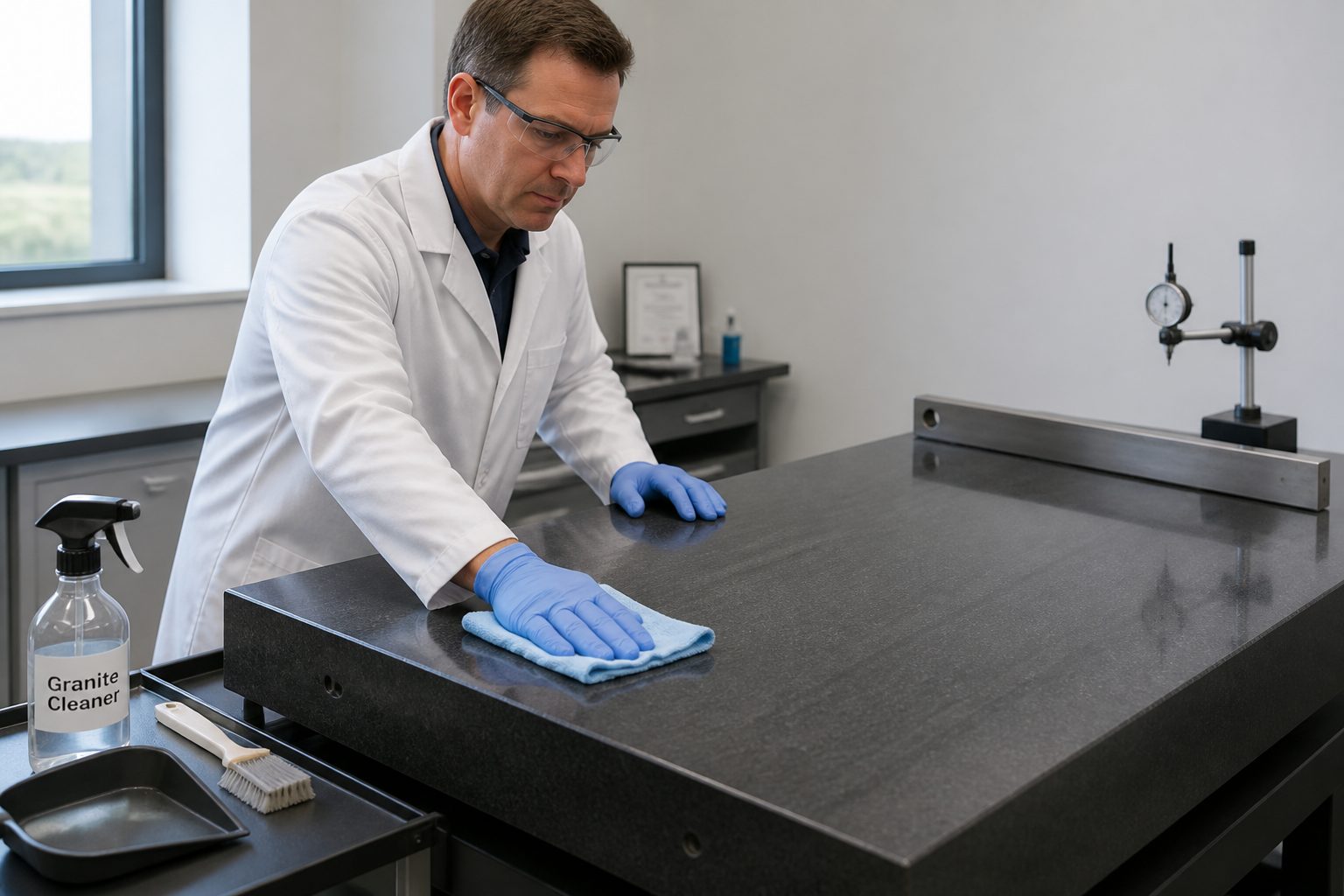
After removing the bulk of sticky material, use a fresh lint-free wipe dampened with granite cleaner to clean any remaining film or solvent residue. This ensures no traces are left to attract dust or interfere with measurements. Finish with a dry wipe to restore pristine condition.
Prevention is always better for sticky messes. Avoid adhesive tapes directly on the plate and clean spills immediately. A proactive approach minimizes intensive cleaning, protecting your investment and keeping the plate in top condition.
Cleaning Around Inserts, Handles, and Accessories
Areas around threaded inserts, lifting handles, and accessories are often overlooked but accumulate dust, grime, and rust that can migrate to the main surface, compromising measurements. A comprehensive cleaning procedure must include these spots to prevent cross-contamination and ensure overall accuracy.
Dust and fine particles collect in crevices and around edges. This buildup becomes a source of abrasive contamination if tools or workpieces brush against these areas. Regular cleaning prevents dirt spread and maintains measurement system integrity.
For threaded inserts, use a small, soft brush or cotton swab dampened with granite cleaner to clean inside threads, reaching the bore bottom. This removes trapped debris or dried lubricant that could interfere with mounting fixtures or introduce wobble. Ensure no liquid remains in threads, preventing corrosion or residue buildup.
Wipe handles and attached accessories with the same lint-free wipes and granite cleaner used for the main surface. Pay attention to junctions where components meet granite, as dirt accumulates there. This prevents hand oils and dirt from transferring to the plate, maintaining a clean working environment.
If rust appears on metal components, use a metal-specific rust-inhibiting cleaner, applied carefully with a cotton swab. Immediately wipe off excess to prevent granite contact. Always dry these areas thoroughly after cleaning to prevent future corrosion and maintain accessory functionality.
Managing Dust and Grit in High-Traffic Areas
Surface plates in high-traffic areas or near machining operations are vulnerable to dust and grit. Airborne particles (metal shavings, abrasive contamination, fabric fibers) quickly settle on the precision surface, demanding extra cleaning vigilance. Proactive measures are essential to mitigate this threat and protect the plate’s flatness and surface finish.
Place adhesive floor mats around the surface plate to capture foot traffic debris. These significantly reduce tracked-in dirt, keeping the environment cleaner. Regular replacement is crucial for effective contaminant trapping.
Utilize workshop air filtration systems to minimize airborne particulate matter. HEPA filters trap fine dust and aerosols, preventing settlement on sensitive equipment. This creates a cleaner metrology environment, reducing daily cleaning burdens.
Implement strict protocols for cleaning tools and workpieces before placing them on the surface plate. Use an air gun (cautiously) or a dedicated cleaning station, and thoroughly wipe down all items to remove debris or coolant residue. This prevents contaminant transfer, safeguarding measurements and extending plate life.
For dusty environments, invest in a custom-fitted dust cover. Always cover the plate when not in use, even briefly, to protect it from settling dust and accidental damage. This protective layer is crucial for maintaining flatness and cleanliness, acting as a barrier against environmental hazards.
Setting Up a Cleaning Kit Near the Plate
A dedicated surface plate cleaning kit readily available near your granite plate encourages consistent maintenance. When cleaning supplies are organized and within easy reach, technicians are more likely to perform routine cleaning tasks promptly. This simple setup eliminates excuses and promotes good habits, ensuring cleaning is an integral and accessible part of the measurement process, not an afterthought.
A well-stocked kit ensures you always have the right tools on hand, preventing improvisation with potentially damaging alternatives. This dedicated approach protects your investment and maintains the integrity of your measurements, ensuring consistent and reliable results over time. It’s a small effort for significant long-term benefits in accuracy and equipment longevity.
Your kit should include a high-quality granite plate cleaner, specifically designed for precision surfaces. This cleaner should be pH-neutral and leave no residue. Avoid generic household cleaners, which often contain ingredients harmful to granite, such as silicones or waxes that can build up or etch the surface. A good cleaner will effectively remove oils and debris without compromising the plate’s flatness.
Stock a generous supply of clean, lint free wipes. These are essential for wiping down the surface without introducing new fibers or scratches. Microfiber cloths designed for optical cleaning can also work well, provided they are clean and free of abrasive contamination and are regularly laundered.
Include a plastic scraper or a dedicated plastic razor blade for safely tackling sticky residues without scratching the granite, ensuring a non-marring option. Add a small, soft brush or cotton swabs for cleaning around inserts and in tight crevices where wipes cannot reach. A spray bottle of distilled water is also useful for rinsing if your cleaner requires it, preventing mineral deposits from tap water.
Finally, keep a designated, clean storage container or caddy for all these items. This keeps everything organized, protected from shop dust, and prevents cross-contamination. Label the kit clearly to ensure it is always used for its intended purpose, reinforcing the importance of the surface plate cleaning procedure and proper tool usage.
How Cleaning Ties Into Repeatability Checks
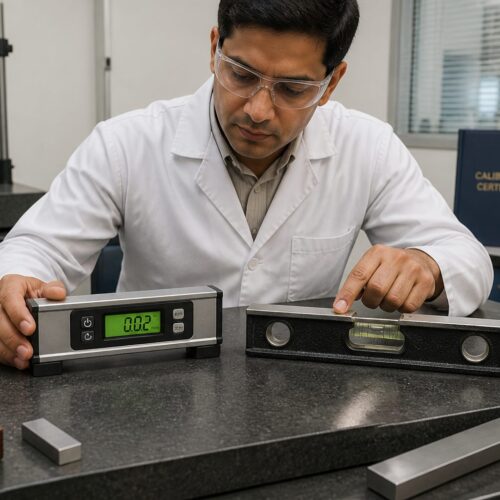
Diligent surface plate cleaning directly links to accurate repeatability checks. Residue, dust, or film introduce micro-deviations affecting gage movement and contact points, leading to inconsistent readings and false data. This impacts measurement consistency, making repeatability suffer and potentially invalidating quality control.
Repeatability measures how closely repeated measurements agree. An unclean surface plate can cause each measurement to be slightly off due to particles or films, leading to false positives or negatives. This variability obscures true instrument precision and data reliability, making the measurement system untrustworthy.
Before critical repeatability checks, always perform a thorough surface plate cleaning. This means a comprehensive clean, not just a quick wipe, to remove all potential abrasive contamination or sticky films. A pristine surface provides a true baseline for accurate measurement system assessment.
Microscopic debris impacts sensitive instruments like height gages. A tiny speck can lift a gage, throwing off readings by microns—significant in precision metrology, leading to incorrect part acceptance or rejection. Consistent cleaning minimizes external influences, allowing clearer instrument performance assessment.
By eliminating environmental factors through meticulous cleaning, you can be confident that repeatability check variations stem from the instrument or measurement process. This allows more accurate calibration and better understanding of your system’s true capabilities. A clean plate is fundamental for reliable data and robust quality assurance.
Documentation: Simple Logs That Help You Spot Trends
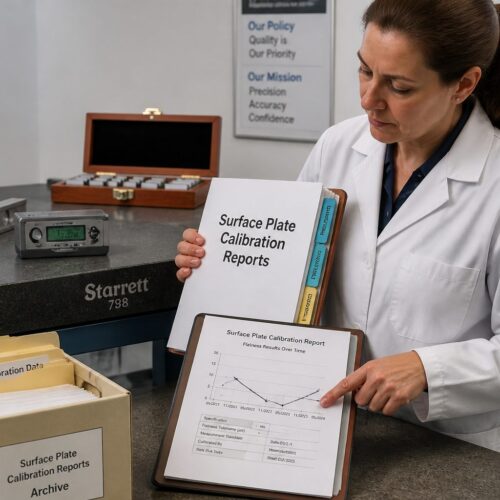
Implementing a simple logging system for surface plate cleaning offers significant benefits. Documenting frequency and observations provides insights into plate condition, usage patterns, and cleaning protocol effectiveness. These logs become a historical record, aiding proactive maintenance, troubleshooting, and ensuring ISO 9001 compliance.
A basic log includes cleaning date, type (daily wipe, deep clean), and performer’s initials. Add notes like “heavy oil residue” or “slight film.” This data tracks compliance, identifies improvements, and provides accountability, fostering a culture of precision and care.
Over time, logs help identify trends related to the plate’s environment or operations. For example, consistent abrasive contamination after a machining process might require adjusting dust control or implementing barriers. Data justifies procedure changes (e.g., increased cleaning frequency, better environmental controls), leading to more efficient maintenance.
Documentation supports your quality management system by providing verifiable maintenance evidence. In audited environments, demonstrating consistent cleaning with clear records is often required. This shows commitment to maintaining measurement accuracy and adherence to quality standards.
For professional calibration or re-lapping, cleaning logs provide crucial information to service technicians. They reveal maintenance history and recurring issues. This historical data ensures better service and a more informed assessment of your granite calibration standards, potentially reducing service time and costs.
Conclusion
Maintaining granite surface plate precision is an ongoing commitment, with consistent cleaning at its heart. It’s not just aesthetics; it’s a fundamental practice directly impacting measurement accuracy, reliability, consistency, and equipment longevity. Neglecting this invites errors, costly rework, and premature wear, undermining metrology and quality assurance.
Understanding what to avoid (harsh chemicals, abrasives) actively protects your plate from damage. Using the right tools (quality granite cleaner, lint-free wipes) ensures effective cleaning without new problems. This proactive approach safeguards investment, ensures measurement integrity, and reduces costly corrective actions and downtime.
Implementing a daily wipe-down and weekly deep clean addresses superficial dust and stubborn residues. Special attention to inserts and managing abrasive contamination in high-traffic zones further protects the precision surface. These systematic steps form a robust maintenance strategy, protecting precision assets and ensuring consistent performance.
A well-organized cleaning kit and simple documentation reinforce good habits, making maintenance easier and more accountable. Ultimately, a clean surface plate provides the stable, accurate foundation for all critical metrology tasks, empowering reliable measurements with confidence and upholding high quality standards.
Embrace these cleaning practices as an integral part of quality control. Your commitment to a meticulous surface plate cleaning procedure pays dividends in sustained accuracy, reduced calibration costs, and prolonged equipment life. This dedication ensures your granite calibration standards remain a trustworthy cornerstone, reflecting your commitment to precision.