
Granite surface plates are indispensable tools in precision metrology, providing an unyielding, flat reference plane for accurate measurements. Their stability and flatness make them the backbone of quality control in countless industries. However, even these robust calibration standards are not impervious to all workshop hazards.
Chemical spills, splashes, or even prolonged exposure to certain fumes can compromise the integrity of your surface plate, leading to etching, staining, and ultimately, a loss of accuracy. Protecting metrology equipment like your granite surface plate from chemical harm is a critical aspect of maintaining calibration standards. This article will guide you through preventing chemical damage to granite surface plate installations in your facility.
Understanding the specific vulnerabilities of granite and implementing proactive measures will safeguard your investment and ensure continued precision. We’ll explore common threats, effective prevention strategies, and immediate steps to take if an accident occurs, emphasizing workshop chemical safety.
The Vulnerability of Granite to Common Workshop Chemicals
Many people assume granite is indestructible, given its natural hardness and density. While tough, granite is a porous material composed primarily of quartz, feldspar, mica, and other minerals, making it susceptible to chemical reactions. Its mineral composition dictates its granite acid resistance, which is not absolute.
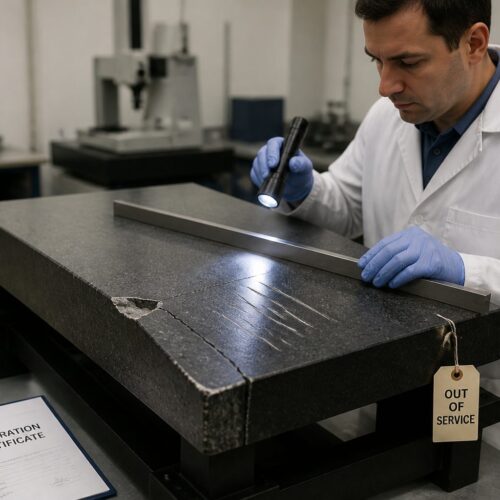
Acids are particularly aggressive toward the feldspar and mica components within the granite, dissolving them and leaving behind a dull, etched surface. Even seemingly mild acids, like those found in some cleaning solutions or soft drinks, can cause permanent damage over time. This etching directly impacts the flatness and precision of your surface plate.
Alkaline substances, while generally less immediately corrosive than acids, can also pose a threat. Strong bases can break down the silicate minerals in granite, leading to surface degradation and a compromised finish. Preventing chemical damage to granite surface plate requires understanding these material interactions.
Organic solvents, commonly used for cleaning parts or removing grease, might not etch the granite directly but can strip away any protective sealants applied to the surface. Once a sealant is gone, the granite becomes even more vulnerable to staining and absorption of other harmful substances. This makes workshop chemical safety paramount.
Certain dyes and pigments, especially those in marking fluids or inks, can seep into the pores of the granite, creating stubborn stains that are difficult or impossible to remove. These stains not only look unsightly but can also interfere with accurate visual inspections or measurements. Protecting metrology equipment means considering all potential contaminants.
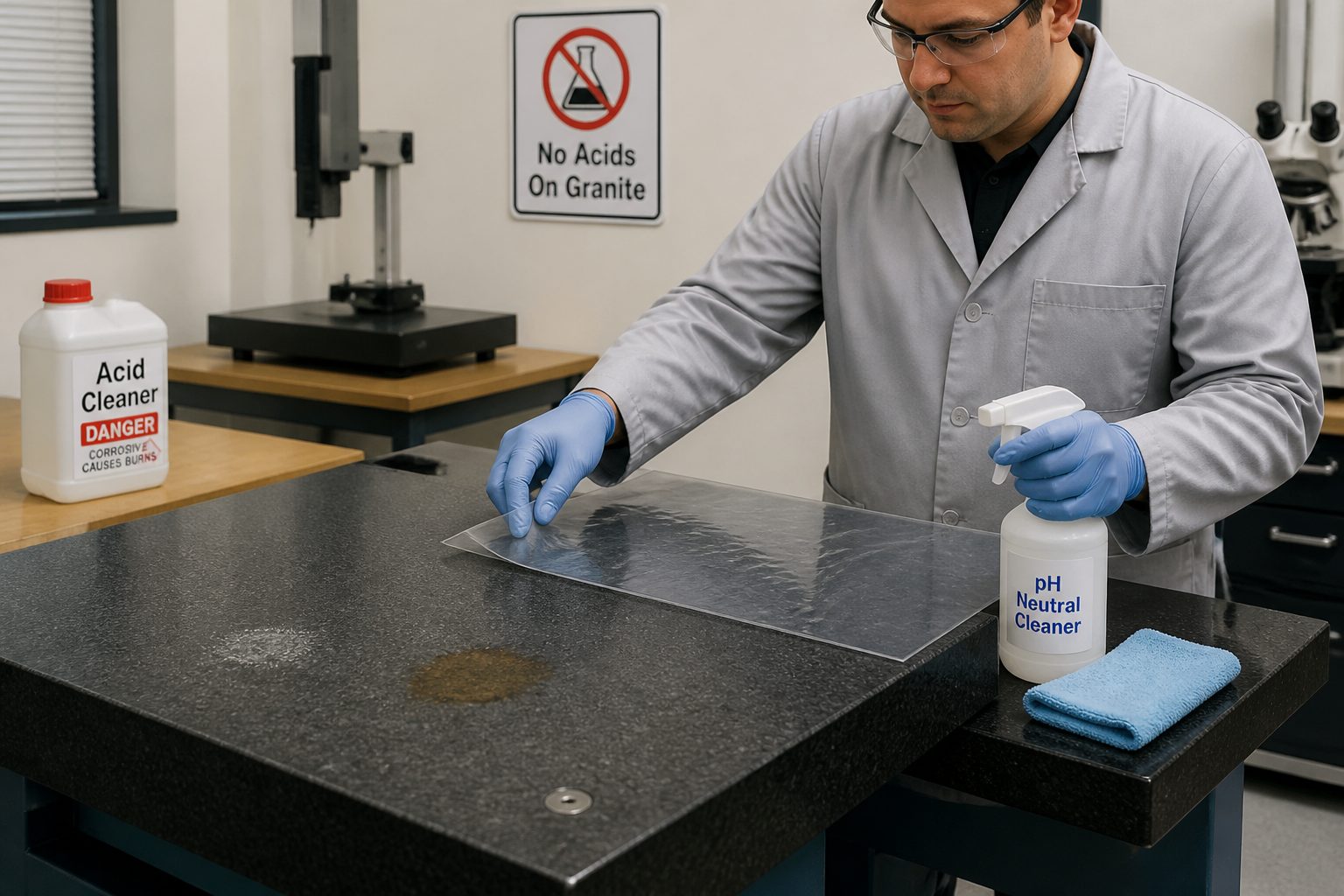
Humidity combined with chemical residues can accelerate degradation, especially if corrosive substances are allowed to sit for extended periods. Even airborne chemical vapors can settle and condense on the surface, slowly eating away at the finish. Diligence is key in preventing chemical damage granite surface plate integrity.
Identifying Corrosive Substances in Your Environment
Every workshop contains a range of chemicals, some of which are surprisingly harmful to granite. Common culprits include strong acids like hydrochloric acid used for pickling or sulfuric acid from batteries. These powerful agents demand extreme caution around any precision granite equipment.
Less obvious threats often hide in everyday cleaning products, rust removers, or even certain types of cutting fluids. Many degreasers contain strong alkaline components that can slowly erode the granite surface. Always check product labels for warnings about corrosive properties or pH levels.
Machining coolants, while designed to protect metal, can sometimes contain additives that are detrimental to granite over time. Continuous exposure to these fluids, even in diluted forms, can lead to surface degradation. This is a crucial aspect of preventing chemical damage granite surface plate installations.
Solvents like acetone, paint thinner, or mineral spirits are often used for cleaning tools and parts. While they might not directly etch granite, they can dissolve protective sealants, leaving the surface exposed and more vulnerable to staining and etching from other chemicals. Understanding granite acid resistance includes knowing what removes its protection.
Even materials like marking inks, especially permanent ones, can penetrate the porous granite surface and leave indelible stains. These cosmetic blemishes can become functional problems if they obscure measurement lines or points. Protecting metrology equipment goes beyond just avoiding etching.
Always consider the proximity of chemical storage areas, wash stations, and machining operations to your surface plate. Airborne mists and splashes can travel further than you might expect, silently causing harm. A comprehensive approach to workshop chemical safety is always the best defense.
Understanding How Chemicals React with Granite
Granite’s reaction to chemicals is primarily dictated by its mineral composition, particularly the presence of feldspar, quartz, and mica. Acids, in particular, attack the calcium carbonate impurities and the silicate bonds in feldspar, causing a chemical breakdown that manifests as etching. This process compromises the surface integrity and flatness, directly impacting the precision of your measurements.
Alkaline substances, while slower acting, can also hydrolyze silicate minerals, leading to a dull finish and eventual surface roughening. Organic solvents primarily act by dissolving protective sealants or carrying staining agents deep into the pores. Preventing chemical damage granite surface plate surfaces requires a clear understanding of these interactions.
| Chemical Type | Common Examples | Effect on Granite | Granite Acid Resistance |
|---|---|---|---|
| Strong Acids | Hydrochloric, Sulfuric, Phosphoric Acid | Rapid etching, dulling, material removal | Very Poor |
| Weak Acids | Acetic (Vinegar), Citric Acid, Cola | Slow etching, staining, dull spots over time | Poor to Moderate |
| Strong Alkalines | Lye, Heavy-Duty Degreasers, Ammonia | Surface degradation, dulling, softening | Moderate |
| Organic Solvents | Acetone, Toluene, Mineral Spirits | Removes sealants, carries stains into pores | Good (indirect harm) |
| Dyes & Pigments | Permanent Markers, Inks, Marking Fluids | Deep staining, absorption into pores | Poor (staining) |
Best Practices for Handling Chemicals Near Your Surface Plate
Establishing strict protocols for chemical handling is the first line of defense in protecting metrology equipment. Never store or use corrosive chemicals directly on or immediately adjacent to your granite surface plate. Designate separate, secure areas for all chemical storage and preparation to minimize risk.
Always use appropriate containers with secure lids for all liquids and chemicals, even water. Spills are much harder to contain when chemicals are left in open beakers or loosely covered containers. This simple habit drastically reduces the chances of accidental exposure to your precision equipment.
Employ secondary containment measures, such as spill trays or chemical-resistant mats, when handling chemicals that must be near the surface plate. These barriers will catch any drips or spills before they can reach the granite. They are an essential part of preventing chemical damage granite surface plate installations.
Insist on the use of personal protective equipment (PPE), including chemical-resistant gloves and safety glasses, whenever working with chemicals. Proper PPE not only protects the individual but also reduces the chance of transferring chemicals from hands to the surface plate. Workshop chemical safety procedures benefit everyone.
Train all personnel on the proper dispensing and transfer techniques for various chemicals, emphasizing slow and deliberate movements. Rushing or carelessness significantly increases the likelihood of splashes and spills, which directly threaten your granite acid resistance. Regular refreshers on these techniques are highly recommended.
After any task involving chemicals, thoroughly clean and inspect the surrounding work area. Even small, unseen residues can accumulate and cause long-term damage if not addressed promptly. A clean environment is a safe environment for your precision granite surface plate.
Immediate Action: What to Do in Case of a Chemical Spill
Despite the best prevention efforts, spills can happen, and quick action is paramount to mitigating damage to your granite surface plate. The very first step is to contain the spill immediately to prevent it from spreading further across the surface. Use absorbent pads or a spill kit specifically designed for chemical containment.
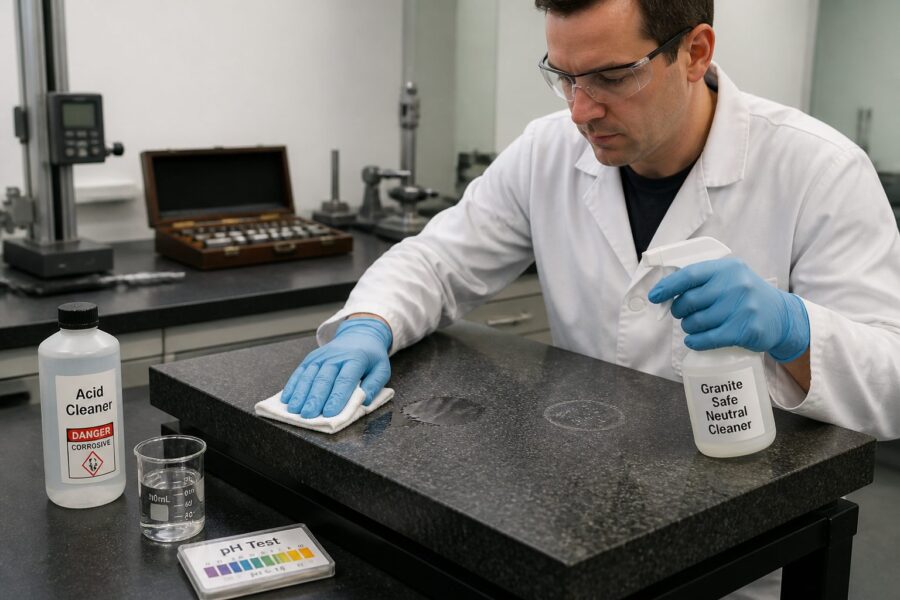
Identify the spilled chemical if possible, as this will dictate the appropriate neutralization or cleaning agent. For acidic spills, a weak alkaline solution like baking soda mixed with water can help neutralize the acid before cleaning. For alkaline spills, a weak acid solution like diluted vinegar can be used, but always test on an inconspicuous area first.
Gently blot, do not wipe, the spilled chemical from the surface using clean, absorbent cloths or paper towels. Wiping can spread the chemical and potentially push it deeper into the granite’s pores, making it harder to remove. This careful approach is essential for preventing chemical damage granite surface plate integrity.
After blotting, thoroughly rinse the affected area with clean, distilled water to remove any remaining chemical residues. Ensure no standing water is left on the surface, as this can also cause issues over time. Proper rinsing is a critical step in protecting metrology equipment from long-term chemical effects.
Once the area is dry, inspect the granite surface for any signs of etching, staining, or dulling. Minor etching might be addressed with professional polishing, but significant damage often requires specialized repair. Document the incident, including the chemical, location, and actions taken, for future reference and training.
Remember that workshop chemical safety protocols should always include immediate spill response training for all personnel. Knowing exactly what to do can make the difference between a minor incident and permanent damage to your valuable calibration equipment. Quick, informed action is your best defense against lasting harm.
Choosing Protective Barriers and Work Surfaces
Implementing physical barriers is an effective strategy for preventing chemical damage granite surface plate installations. These barriers create a protective layer between your precision equipment and potentially harmful substances, offering a tangible defense. They are an essential part of protecting metrology equipment from daily workshop rigors.
Consider using chemical-resistant mats or trays made from materials like polypropylene or high-density polyethylene (HDPE) directly on your surface plate when performing tasks involving liquids. These materials offer excellent granite acid resistance and general chemical inertness, catching spills before they reach the granite. Integrating these into your workshop chemical safety plan is a smart move.
- Use sacrificial work surfaces: Place an inexpensive, chemical-resistant sheet over the granite for messy tasks.
- Employ spill containment trays: Position trays around the work area to catch drips and splashes.
- Install splash guards: Vertical barriers can protect against airborne mists from nearby operations.
- Apply temporary protective films: Specialized films can offer short-term protection during specific high-risk tasks.
- Ensure proper surface sealing: Regularly check and reapply professional-grade granite sealants to enhance resistance.
- Utilize dedicated secondary workbenches: Perform all chemical handling away from the surface plate on a separate, protected bench.
- Maintain a clean, organized workspace: Reduces the chance of accidental contact with stray chemicals.
Proper Ventilation and Fume Control for Chemical Safety
Effective ventilation is not just about protecting personnel; it’s also a critical component of preventing chemical damage granite surface plate integrity. Airborne chemical fumes can settle on surfaces, condensing into corrosive liquids that slowly degrade the granite. This silent attack often goes unnoticed until significant damage has occurred.
Install and maintain local exhaust ventilation (LEV) systems, such as fume hoods or snorkel exhausts, near areas where volatile chemicals are regularly used. These systems actively draw harmful vapors away from the workspace, preventing them from contaminating your precision equipment. Good workshop chemical safety relies heavily on controlling airborne hazards.
Ensure general room ventilation is adequate to dilute and remove any residual fumes that escape local capture. A well-designed HVAC system can help maintain a stable environment, minimizing the concentration of corrosive elements in the air. This helps to preserve the long-term granite acid resistance of your surface plates.
Position your granite surface plates away from direct airflow paths of chemical processes or exhaust vents that might blow fumes towards them. Even if fumes are being exhausted, poor placement can lead to localized contamination before they are fully removed. Strategic layout is a simple yet effective protective measure.
Regularly inspect ventilation filters and ductwork to ensure they are clean and functioning optimally. Clogged filters or damaged ducts can severely reduce the effectiveness of your fume control system, leaving your surface plate vulnerable. This maintenance is a small price to pay for protecting metrology equipment.
Consider the cumulative effect of low-level exposure over extended periods, as even seemingly harmless vapors can cause gradual degradation. A constant film of chemical residue can form, slowly eating away at the granite’s polished surface. Proactive fume control is an investment in your equipment’s longevity.
Educate staff on the importance of proper fume control and the risks associated with airborne chemicals to precision equipment. Encourage them to report any unusual odors or ventilation issues promptly. A collective awareness of workshop chemical safety helps maintain a pristine environment for your critical calibration standards.
Training Staff on Chemical Awareness and Spill Response
A well-informed team is your strongest asset in preventing chemical damage granite surface plate installations. Comprehensive staff training on chemical awareness and spill response protocols is absolutely essential. This training should cover the specific risks chemicals pose to precision granite.
Ensure all personnel who work near or with chemicals understand the properties of the substances they handle, including their pH levels and corrosive potential. They need to know which chemicals are particularly aggressive towards granite and why. This knowledge underpins effective granite acid resistance strategies.
Training should include practical demonstrations of proper chemical handling techniques, emphasizing secure storage, careful dispensing, and the use of secondary containment. Reinforce the importance of never placing open chemical containers near the surface plate. These habits are fundamental to workshop chemical safety.
Develop clear, concise spill response procedures and ensure every team member is proficient in executing them. Practice drills can be incredibly effective in building confidence and ensuring a rapid, correct response during an actual incident. Knowing how to react quickly can minimize damage to your valuable equipment.
Emphasize the importance of immediate reporting for any chemical spill, no matter how small, to a supervisor. Small, unaddressed spills can cause cumulative damage and indicate a lapse in safety protocols. This reporting culture helps maintain high standards for protecting metrology equipment.
Include instruction on the proper use of personal protective equipment (PPE) for chemical handling. Stress that PPE is not just for personal safety but also prevents accidental chemical transfer to sensitive surfaces. Consistent PPE use is a non-negotiable aspect of a robust safety program.
Regular refresher courses and updated training materials are necessary to keep staff knowledge current and reinforce best practices. New chemicals or processes might introduce new risks, so ongoing education is vital. Invest in your team’s knowledge to protect your investment in precision calibration standards.
The Importance of Material Safety Data Sheets (MSDS)
Material Safety Data Sheets, now commonly referred to as Safety Data Sheets (SDS), are invaluable resources for preventing chemical damage granite surface plate installations. These documents provide comprehensive information about the properties of each chemical. Every chemical used in your facility should have an accessible SDS.
An SDS details a chemical’s physical and chemical properties, including its pH, reactivity, and corrosive potential. This information is critical for understanding how a specific substance might interact with granite. Consulting the SDS helps you assess the granite acid resistance required for safe handling.
The SDS also outlines recommended handling and storage procedures, as well as necessary personal protective equipment (PPE). Following these guidelines reduces the risk of spills and exposure to your precision equipment. Implementing these measures is fundamental to workshop chemical safety.
Crucially, SDS documents provide specific instructions for emergency procedures, including first aid and spill response. Knowing the correct neutralization agents or cleanup methods from the SDS can make a significant difference in minimizing damage during an incident. This information is vital for protecting metrology equipment from irreversible harm.
Ensure that all employees who handle or are exposed to chemicals are trained on how to read and interpret SDS information. They should know where to find these documents quickly in an emergency. Ready access to SDS information empowers your team to make informed decisions.
Regularly review and update your SDS library to ensure it reflects all chemicals currently in use and any new safety information. Outdated information can lead to improper handling or response, increasing risks to both personnel and equipment. Maintaining an up-to-date SDS system is a cornerstone of responsible chemical management.
Long-Term Strategies for Chemical Damage Prevention
Beyond immediate precautions, long-term strategies are essential for sustained preventing chemical damage granite surface plate integrity. A proactive approach ensures your calibration standards remain pristine for decades. This involves continuous vigilance and strategic planning.
Regularly inspect your granite surface plates for any signs of etching, staining, or dulling, even minor ones. Early detection allows for intervention before damage becomes severe or widespread. This routine inspection is a key part of protecting metrology equipment.
Invest in high-quality, professional-grade granite sealants and ensure they are applied and reapplied according to manufacturer recommendations. A good sealant enhances the granite acid resistance by creating a barrier against liquid penetration. This protective layer is your first line of defense against many chemical threats.
Evaluate your workshop’s overall chemical inventory and consider substituting highly corrosive chemicals with less aggressive alternatives where possible. Reducing the presence of hazardous substances inherently lowers the risk to your surface plates. This proactive chemical management improves overall workshop chemical safety.
Implement a robust preventive maintenance schedule that includes regular cleaning of the surface plate with appropriate, pH-neutral cleaners. Consistent cleaning removes any accumulated residues before they can react with the granite. A clean surface is less likely to suffer from chemical degradation.
Consider the placement of your surface plates within the facility, ensuring they are located away from areas of high chemical use, wash stations, or heavy traffic. Strategic positioning minimizes accidental exposure and airborne contamination. Thoughtful facility layout is a passive yet powerful damage prevention method.
Conclusion
Maintaining the integrity of your granite surface plates is non-negotiable for any facility committed to precision metrology. These foundational tools depend on a pristine surface for accurate measurements. Preventing chemical damage granite surface plate installations must be a top priority.
We’ve outlined how granite, despite its strength, remains susceptible to etching and staining from various workshop chemicals. Acids, strong bases, and even common solvents can compromise its flatness and finish. Understanding these vulnerabilities is the first step toward effective protection.
Implementing best practices in chemical handling, ensuring proper ventilation, and providing thorough staff training are all critical layers of defense. Rapid response to spills can drastically reduce the extent of any damage. These proactive measures are vital for workshop chemical safety.
Leveraging Material Safety Data Sheets (SDS) provides essential information for safe chemical interaction and emergency protocols. Investing in protective barriers and maintaining a robust sealing regimen further enhances your granite acid resistance. These tools empower your team to act decisively and correctly.
Ultimately, a holistic approach that combines vigilance, education, and physical safeguards will protect your valuable metrology equipment. Your granite surface plate is an investment in accuracy that deserves diligent care. Safeguarding it ensures reliable calibration standards for years to come.
By prioritizing chemical damage prevention, you not only extend the lifespan of your precision instruments but also uphold the highest standards of measurement quality. Make protecting your granite surface plate a cornerstone of your operational excellence. Your commitment to precision starts with a well-maintained foundation.