
Protecting your precision granite surface plate is a fundamental aspect of maintaining its accuracy and extending its lifespan. A seemingly simple accessory, the surface plate cover, plays a critical role in this ongoing preservation effort. Understanding how to cover a granite surface plate correctly involves more than just throwing a sheet over it; it requires careful consideration of materials, fit, and proper handling. This article explores the best practices for choosing, using, and maintaining your surface plate cover, ensuring your calibration standards remain pristine.
Dust, debris, and environmental contaminants are constant threats to the ultra-flat surface of a granite plate. Even microscopic particles can embed themselves or cause wear over time, compromising the plate’s critical flatness. Effective dust protection is therefore paramount for any metrology lab or workshop.
We will discuss various cover options, proper storage techniques, and common pitfalls to avoid. By following these guidelines, you can significantly enhance the longevity and reliability of your valuable granite calibration standards.
What a Cover Should Do (and What It Should Never Do)
A good surface plate cover primarily acts as a barrier against airborne contaminants like dust, grit, and machining swarf. It prevents these particles from settling on the precision surface, which could lead to scratches or wear. Beyond just dust protection, a cover also offers a degree of protection against minor impacts or accidental spills.
The cover’s design should facilitate easy placement and removal without introducing new risks. It must be simple to clean and maintain itself, preventing it from becoming a source of contamination. Ultimately, a cover is an investment in preserving the accuracy of your granite plate.
Conversely, a cover should never trap moisture against the granite surface. This can lead to staining or, in the worst cases, create an environment for microbial growth, especially if the plate is not perfectly clean. Avoid materials that shed fibers or lint excessively, as these can become new contaminants.
It should not be so heavy or cumbersome that it risks scratching the plate during handling. A poorly designed or ill-fitting cover can do more harm than good. Never use a cover as a temporary storage surface for tools or parts, as this defeats its protective purpose and risks damage.
The cover must allow for some air circulation to prevent condensation buildup. Completely airtight seals are generally undesirable for long-term granite plate storage. The goal is protection, not hermetic sealing, which can often backfire.
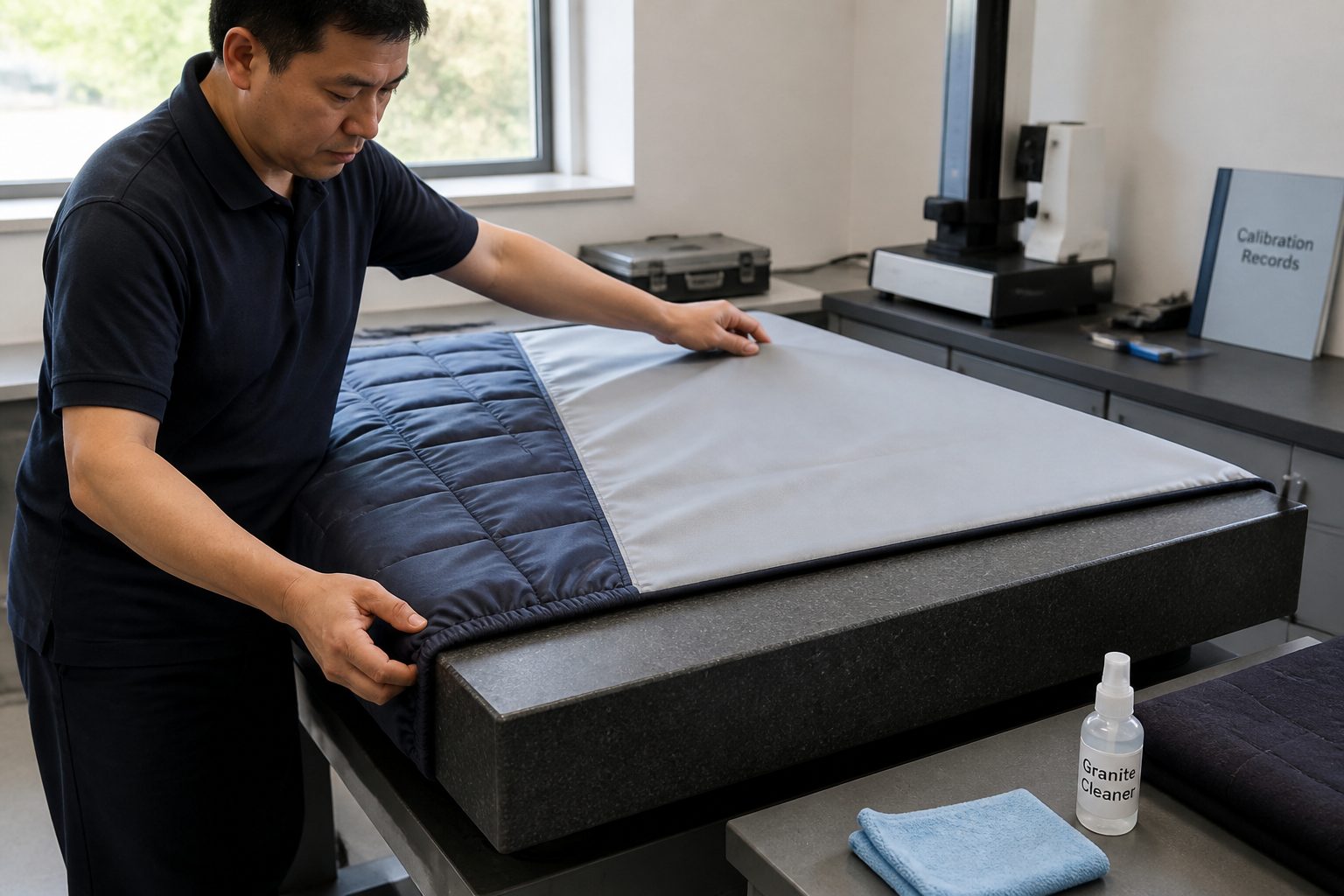
Finally, a cover should never be a substitute for proper cleaning of the surface plate itself. Always clean the granite before applying the cover, ensuring no grit is trapped underneath. A cover only maintains the cleanliness you establish beforehand.
Cover Materials Compared: Vinyl, Fabric, and Rigid Options
Choosing the right material for your surface plate cover is a critical decision impacting both protection and longevity. Each option offers distinct advantages and disadvantages that should be weighed against your specific shop environment and usage patterns. Consider factors like durability, cost, and ease of cleaning when making your selection.
Vinyl covers are popular due to their water resistance and affordability, making them a common choice for many workshops. Fabric options, such as canvas or specialized synthetics, offer breathability and softness, reducing the risk of scratching the plate during placement. Rigid covers, often made from wood or composite materials, provide superior physical protection against impacts but are typically heavier and more expensive. Understanding these differences helps in selecting the optimal surface plate cover for your needs.
| Material Type | Pros | Cons |
|---|---|---|
| Heavy-Duty Vinyl | Excellent dust and moisture resistance, easy to wipe clean, affordable. | Can trap moisture if not ventilated, less breathable, can become stiff in cold. |
| Canvas/Denim Fabric | Breathable, soft, good dust protection, durable against tears. | Absorbs moisture, can shed fibers, harder to clean thoroughly. |
| Synthetic Fabric (e.g., Nylon, Polyester) | Water-resistant (coated), breathable, lightweight, good dust barrier. | Can generate static, may be less durable than heavy vinyl, varies in quality. |
| Rigid (Wood/Composite) | Superior impact protection, very durable, flat storage surface. | Heavy and cumbersome, higher cost, can scratch if not lined, requires more storage space. |
When selecting a surface plate cover, consider the environment where your granite plate resides. A dusty machining area might benefit from a robust vinyl cover, while a climate-controlled inspection room could allow for a softer, more breathable fabric. The material directly influences the effectiveness of your dust protection strategy.
For granite plate storage in less controlled environments, a material with good moisture resistance is often preferred. This helps prevent condensation from forming on the precision surface. Regular inspection of the cover material for tears or degradation is also essential, regardless of the type chosen.
Ultimately, the best cover material balances protection, practicality, and cost for your specific application. Don’t compromise on quality, as a cheap, unsuitable cover can end up costing you more in plate maintenance. Your choice directly impacts how well you cover a granite surface plate.
Sizing and Fit: Getting Full Protection Without Trapping Debris
The correct sizing and fit of your surface plate cover are just as important as the material itself. An ill-fitting cover can either leave parts of the plate exposed or create pockets where contaminants can accumulate. Precision in measurement is key to achieving optimal dust protection.
The cover should extend slightly beyond the edges of the granite surface plate, ideally draping down the sides by a few inches. This overhang ensures complete coverage and prevents dust from easily migrating underneath. However, it should not be so large that it creates excessive slack, which can gather debris or snag on nearby equipment.
A cover that is too tight can be difficult to place and remove, increasing the risk of dragging grit across the surface. It might also pull taut, potentially lifting at the corners and exposing the plate. Always measure your granite plate accurately before purchasing or making a cover.
Consider the height of any accessories permanently mounted on the plate, such as risers or clamping fixtures. The cover needs to accommodate these without being stretched or leaving gaps. A custom-fitted cover is often the best solution for plates with unique configurations.
The goal is a snug but not restrictive fit, allowing the cover to settle gently over the plate. This prevents the cover from shifting easily, which could inadvertently expose sections of the granite. Proper sizing ensures your surface plate cover performs its job effectively.
Avoid covers with elastic edges if they pull too tightly, as this can create a trampoline effect that traps air and potential moisture. Instead, opt for covers that simply drape, relying on gravity and the slight overhang for stability. This approach provides better, more consistent dust protection.
Static, Lint, and Fibers: How Covers Can Create Problems
While covers are essential for dust protection, they can also introduce their own set of problems if not chosen and managed carefully. Static electricity is a significant concern, especially with synthetic materials like nylon or certain types of vinyl. Static can attract and hold airborne dust particles, making the cover a magnet for contaminants.
When you remove a static-charged cover, it can actually lift dust from the surrounding area and deposit it onto the pristine granite surface. This defeats the entire purpose of using a cover for granite plate storage. Always consider the static properties of the material.
Fabric covers, while breathable, can shed lint and fibers over time, particularly if they are older or made from lower-quality materials. These microscopic fibers can settle on the plate, requiring additional cleaning before use. Inspect fabric covers regularly for signs of excessive shedding.
Even non-shedding materials can accumulate lint from the environment, which then transfers to the plate. This is why regular cleaning of the cover itself is so important, preventing it from becoming a source of contamination. A dirty cover cannot provide effective dust protection.
Some covers, especially those made from rougher fabrics, can even cause microscopic abrasion if dragged across the granite surface. This is particularly true if the cover itself has accumulated grit. Always handle your surface plate cover with care to avoid this issue.
To mitigate static, consider using anti-static sprays on synthetic covers, or opt for materials like heavy-duty vinyl or treated canvas. For fabric covers, choose tightly woven, low-linting options and wash them regularly. These measures are crucial for how to cover a granite surface plate without causing new issues.
When to Cover the Plate During the Day vs After Hours
Deciding when to cover your granite surface plate depends heavily on your workshop environment and how frequently the plate is used. Establishing clear protocols for covering helps maintain the plate’s accuracy and longevity. Consistent habits are key to effective dust protection.
During the workday, if the plate will be idle for more than a short period, say 30 minutes to an hour, covering it is a good practice. This prevents the accumulation of dust and debris from ongoing operations. Brief pauses in work do not typically warrant covering, but longer breaks certainly do.
Always cover the plate immediately after cleaning it and before leaving for lunch or extended breaks. This ensures that the freshly cleaned surface remains pristine for your next use. It also reinforces good habits for granite plate storage.
After hours, or at the end of the workday, the surface plate should always be thoroughly cleaned and covered without exception. This provides maximum dust protection overnight and during weekends when the shop is inactive. Long-term storage demands diligent covering practices.
Consider any ongoing activities in the shop that might generate significant dust, like grinding, sanding, or heavy machining. If these operations are happening nearby, it’s wise to cover the plate even during brief periods of non-use. Proactive covering minimizes contamination risk.
Implementing a clear “cover policy” for your team ensures everyone understands the importance and proper timing for covering the plate. Training staff on how to cover a granite surface plate correctly reinforces these best practices. This routine protects your valuable metrology equipment.
How to Put a Cover On Without Dragging Grit Across the Surface
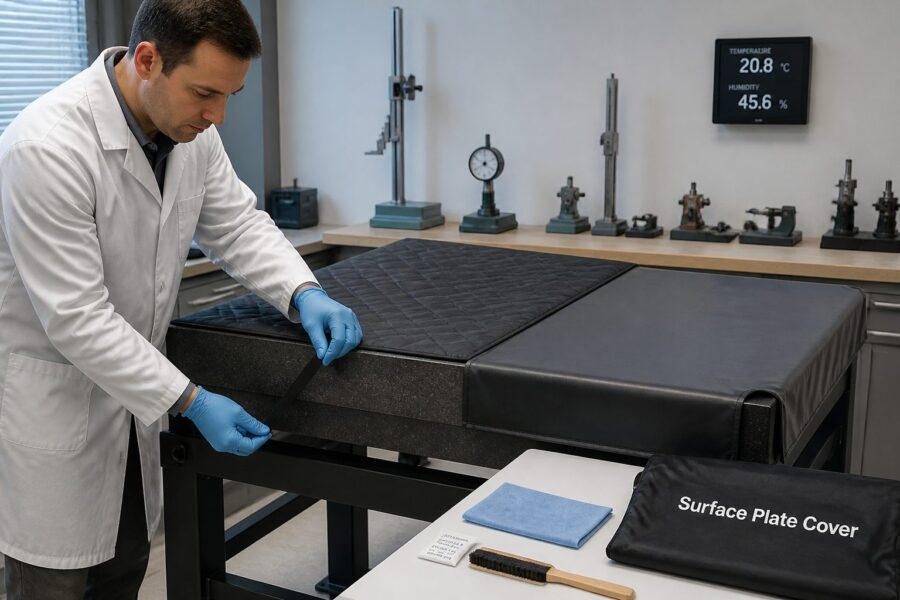
Placing a surface plate cover incorrectly can negate its protective benefits and even introduce new damage. The biggest risk is dragging accumulated grit on the cover across the precision granite surface. A careful, methodical approach is essential to avoid this common mistake.
Before even touching the cover, ensure the granite surface plate itself is thoroughly cleaned and free of any particles. This is the first and most important step to prevent scratching. Any debris left on the plate will be trapped under the cover.
- Inspect the cover for visible debris
- Hold the cover high above the plate
- Lower it slowly and evenly
- Avoid sliding or dragging motions
- Center the cover carefully
- Let gravity do the work
- Ensure full overhang on all sides
When removing the cover, reverse the process: lift it straight up and off the plate, then fold or roll it away from the granite. Never yank or slide the cover off, as this can still drag any accumulated dust from the cover onto the plate. Proper technique is crucial for effective dust protection.
Always store the removed cover in a clean, designated area, ideally folded with the inside (plate-facing) surface protected. This prevents it from picking up new contaminants before its next use. Following these steps ensures you properly how to cover a granite surface plate.
Cleaning and Maintaining the Cover Itself
A dirty or damaged surface plate cover is counterproductive to your dust protection efforts. Regular cleaning and maintenance of the cover itself are just as important as cleaning the granite surface plate. Treat your cover as an extension of your metrology care routine.
For vinyl covers, a simple wipe-down with a damp, lint-free cloth and mild soap is usually sufficient. Ensure the cover is completely dry before placing it back on the granite plate to prevent moisture trapping. Regular cleaning removes accumulated dust and oils.
Fabric covers, depending on their material, can often be machine washed on a gentle cycle with a mild detergent. Always check the manufacturer’s recommendations for specific washing instructions to avoid damaging the fabric. Air drying is usually best to prevent shrinkage or material degradation.
Inspect covers regularly for tears, holes, or frayed edges. Even small imperfections can compromise the dust protection and allow contaminants to reach the plate. Repair or replace damaged covers promptly to maintain optimal protection.
Avoid using harsh chemicals or abrasive cleaners on any cover material, as these can degrade the fabric or vinyl and potentially transfer residues to the granite. Stick to gentle cleaning agents to preserve the integrity of the cover. This helps maintain its effectiveness for granite plate storage.
The frequency of cleaning depends on your shop environment and how often the plate is used. In a very dusty environment, you might need to clean the cover weekly, while in a cleaner setting, monthly might suffice. A clean cover is a functional cover, contributing to how to cover a granite surface plate effectively.
Covering Plates With Accessories: Risers, Parallels, and Fixtures
Granite surface plates often hold accessories like risers, parallels, V-blocks, or dedicated fixtures, complicating the simple act of covering. These additions create irregular shapes and varying heights that a standard flat cover cannot easily accommodate. Special consideration is needed for effective dust protection in these scenarios.
Ideally, remove all accessories from the plate before covering it for extended periods or overnight granite plate storage. This allows for full, flat coverage and simplifies the cleaning process. It is the best approach for maintaining the plate’s cleanliness.
If accessories must remain on the plate, a custom-made cover designed to fit over the specific setup is the optimal solution. These covers will have seams or gussets to accommodate the taller elements, ensuring complete enclosure. Such custom designs offer superior dust protection.
As a temporary measure, you can use multiple smaller covers or even clean, lint-free sheets to drape over the accessories and the surrounding plate area. Ensure there are no large gaps where dust can enter. This method requires careful placement and attention to detail.
Avoid simply stretching a standard cover over tall accessories, as this can stress the material and leave significant portions of the plate exposed. It also makes the cover difficult to remove without dislodging the accessories. This approach compromises effective dust protection.
Always ensure that any temporary covering material does not touch or put pressure on sensitive instrument components. The goal is to protect the plate and accessories, not to interfere with them. Proper planning is essential for how to cover a granite surface plate with complex setups.
Signs Your Cover Is Causing Residue or Wear
While intended for protection, a surface plate cover can sometimes inadvertently contribute to problems on the granite surface. Recognizing the signs of an ineffective or problematic cover is crucial for maintaining your plate’s accuracy. Vigilance helps prevent unnecessary wear or contamination.
One common sign is the presence of fine dust or lint on the plate immediately after removing the cover. This indicates that the cover material itself is shedding fibers or that it has accumulated dust from the environment. Your dust protection is compromised in this situation.
Another telltale sign is the appearance of mysterious stains or streaks on the granite, especially if the cover material is not fully dry when applied. This suggests moisture trapping or chemical reaction between the cover material and residual cleaning agents. Granite plate storage requires a dry environment.
If you notice an increase in static cling on the plate after removing the cover, your cover material is likely generating excessive static electricity. This attracts airborne particles directly to the precision surface. Static buildup negates effective dust protection.
Microscopic scratches or dulling of the granite surface, particularly if concentrated along areas where the cover makes frequent contact, can indicate abrasive particles trapped in the cover. This is a serious issue that demands immediate attention. Such wear undermines the plate’s accuracy.
Finally, a persistent musty odor when removing the cover suggests trapped moisture and potential microbial growth underneath. This is a clear indicator that the cover is not allowing proper ventilation. Address these issues promptly to ensure proper how to cover a granite surface plate.
Simple Storage Rules for Spare Covers
Properly storing spare or alternative surface plate covers is an often-overlooked aspect of maintaining a clean metrology environment. A cover that is not stored correctly can become a source of contamination itself, defeating its purpose. Implementing simple storage rules ensures your covers are always ready for effective dust protection.
Always store covers in a clean, dry, and dust-free location, ideally in a dedicated cabinet or drawer. This prevents them from accumulating environmental dust and debris when not in use. A clean storage area means a clean cover ready for your granite plate.
Fold or roll covers neatly to prevent creasing and minimize the surface area exposed to dust. Consider placing them inside a sealed plastic bag or container for added protection, especially for long-term granite plate storage. This keeps the cover pristine for future use.
Keep spare covers separate from other shop rags, cleaning cloths, or tools. Cross-contamination from these items can introduce unwanted particles or chemicals to your precision cover. Designate a specific spot solely for surface plate covers.
Ensure covers are completely dry before storing them, especially if they have been recently cleaned. Storing a damp cover can lead to mold, mildew, or an unpleasant odor, which can then transfer to your granite plate. Dryness is critical for proper storage.
Labeling covers, especially if you have different sizes or materials, helps ensure the correct cover is used for the appropriate plate. This prevents misapplication and ensures the right dust protection is always available. Good organization streamlines your workflow and supports how to cover a granite surface plate effectively.
Conclusion
Mastering how to cover a granite surface plate is a fundamental skill for anyone working with precision metrology equipment. It’s a simple act that yields significant benefits in preserving the accuracy and longevity of your valuable investment. From selecting the right material to proper handling and maintenance, every detail contributes to effective dust protection.
Remember that your surface plate cover is not just a piece of fabric or vinyl; it’s a critical component of your overall granite plate storage strategy. By adhering to best practices, you minimize the risk of contamination, wear, and costly recalibrations. A clean plate is an accurate plate, and a good cover helps keep it that way.
Prioritize regular cleaning of both the plate and the cover, ensure a proper fit, and be mindful of potential issues like static or shedding. These diligent practices will ensure your granite surface plate continues to provide reliable and accurate measurements for years to come.