
A granite surface plate is the bedrock of precision measurement in any workshop or laboratory. Its flat, stable surface provides the critical reference plane for accurate metrology tasks. Neglecting this essential tool compromises the integrity of all measurements taken upon it.
Many shops view surface plate care as an occasional wipe-down, but this mindset leads to premature wear and calibration issues. A reactive approach to maintenance often results in costly repairs or replacement, impacting production and quality. Establishing a proactive granite surface plate maintenance schedule is a smarter, more economical strategy.
This article lays out a practical, step-by-step plan for maintaining your granite surface plates, ensuring their longevity and unwavering accuracy. We will cover everything from daily cleaning frequency to quarterly condition checks and the crucial role of a comprehensive maintenance log. Following these guidelines helps your business uphold the highest standards of precision and reliability.
What “Maintenance” Means for Granite Plates (Beyond Cleaning)
True maintenance for a granite surface plate extends far beyond merely wiping off dust. It involves a holistic approach to preserve its geometric accuracy, which is its primary function. We are talking about protecting a precision instrument, not just a workbench.
This comprehensive view includes environmental control, proper handling, and regular calibration alongside routine cleaning. Thinking of it this way helps shift perspective from a simple chore to a critical operational procedure. A robust granite surface plate maintenance schedule considers all these elements.
Environmental factors play a huge role in the plate’s performance and lifespan. Temperature fluctuations, humidity levels, and airborne contaminants all affect the granite’s stability and surface integrity. Ignoring these external influences makes any cleaning effort less effective over time.
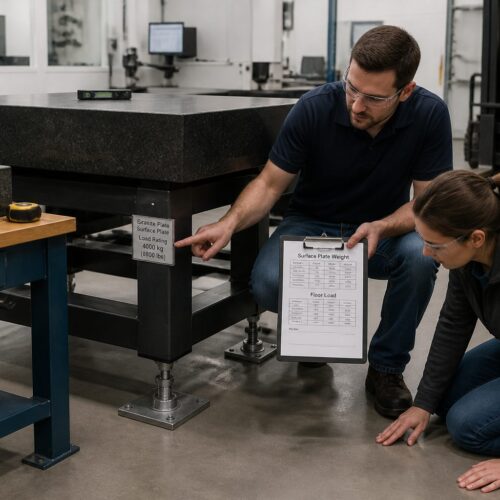
Proper handling involves more than just careful lifting; it includes the correct placement of parts and instruments. Distributing weight evenly and avoiding impacts helps prevent localized wear and potential damage. This careful treatment is fundamental to maintaining accuracy and extending the plate’s usable life.
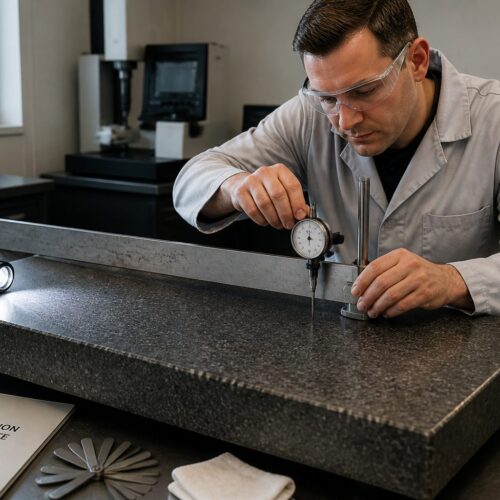
Finally, regular calibration by accredited professionals remains the ultimate condition check for your surface plate. This professional assessment verifies the plate’s flatness and ensures it meets specified tolerances. It confirms that your diligent granite surface plate maintenance efforts are paying off.
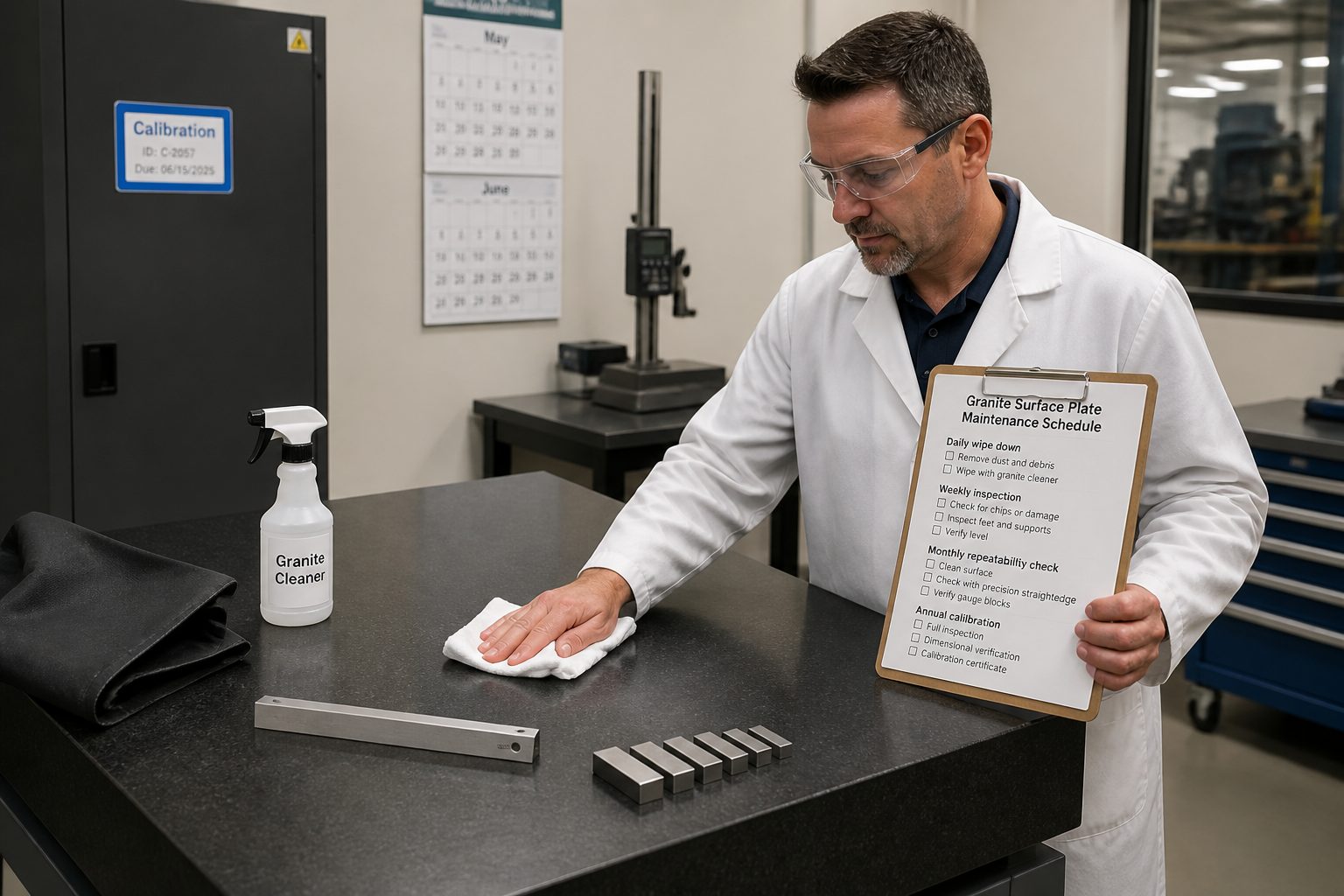
Setting Your Baseline: usage level, environment, and risk factors
Every shop operates differently, meaning a one-size-fits-all granite surface plate maintenance schedule simply does not work. You need to tailor your plan to your specific operational context. This customization ensures your efforts are efficient and effective, not just busywork.
Consider your daily usage level, the ambient environment, and any unique risk factors present in your workspace. These variables directly influence how often you need to perform various maintenance tasks. Understanding these points helps you build a truly practical schedule.
| Factor | Low Usage (Occasional) | Medium Usage (Daily) | High Usage (Constant) |
|---|---|---|---|
| Environment | Clean, climate-controlled lab | General workshop with some dust | Grinding/machining area, high dust/debris |
| Risk Factors | Minimal, careful handling | Moderate, occasional heavy parts | Frequent heavy parts, potential for drops/spills |
| Cleaning Frequency | Weekly deep clean | Daily pre/post use, weekly deep | Multiple daily cleans, weekly deep |
| Condition Checks | Annually | Semi-annually | Quarterly |
Daily Tasks: fast steps that prevent long-term problems
Establishing a consistent daily routine is the simplest yet most impactful way to preserve your granite surface plate’s accuracy. These quick steps prevent the accumulation of contaminants that cause significant wear over time. Skipping even one day can allow abrasive particles to embed themselves.
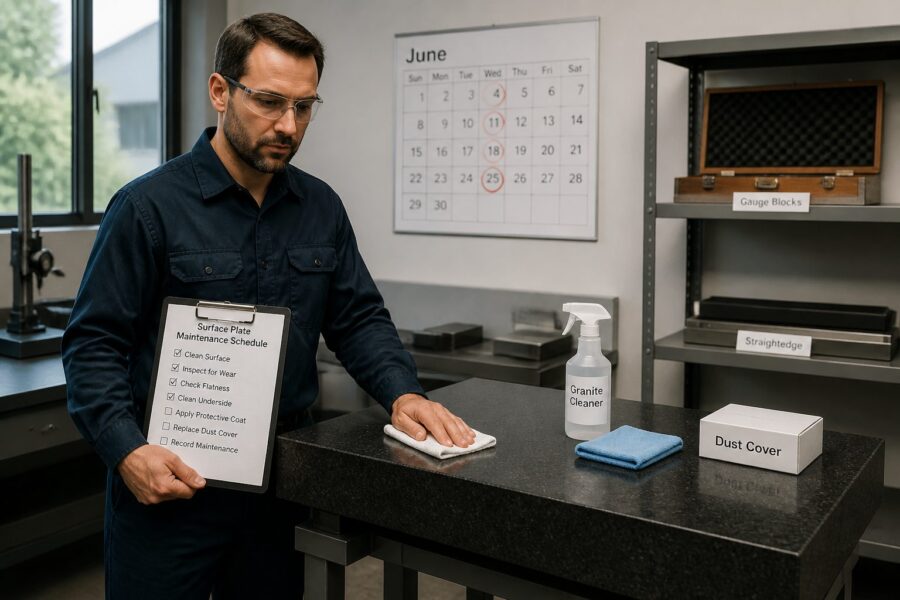
Always clean the surface plate before you start any measurement tasks. This initial wipe removes overnight dust and ensures a pristine measuring environment. A clean surface is fundamental for accurate readings and protecting your valuable instruments.
Use a specialized granite surface plate cleaner or a mild soap solution with distilled water. Avoid harsh chemicals or abrasive materials, as these can damage the delicate surface finish. Always wipe the surface with a soft, lint-free cloth, moving in one direction to pick up debris effectively.
After cleaning, ensure the plate is completely dry before placing any instruments or workpieces on it. Any residual moisture can attract dust or even corrode metal instruments over time. This drying step is a quick but essential part of your daily cleaning frequency.
At the end of the day, clean the surface plate again and cover it with a protective cover. This cover shields the plate from airborne dust, accidental spills, and potential impacts when not in use. A good cover is an inexpensive but effective investment in your plate’s longevity.
Make sure all tools and workpieces are removed from the plate before covering it. Leaving items on the surface can create pressure points or trap moisture, leading to uneven wear or staining. This simple habit prevents many common issues before they start.
Regularly inspect your cleaning cloths for embedded grit or wear, replacing them as needed. Using a dirty cloth defeats the purpose of cleaning and can actually scratch the granite surface. Fresh, clean cloths are critical for effective daily maintenance.
Teach everyone who uses the plate about these daily cleaning frequency habits. Consistency across all users ensures the plate receives uniform care and protection. A shared understanding of best practices strengthens your overall granite surface plate maintenance schedule.
Weekly Tasks: deeper cleaning and area housekeeping
While daily cleaning maintains immediate cleanliness, weekly tasks involve a more thorough approach to the granite surface and its immediate surroundings. This deeper cleaning frequency addresses contaminants that might escape daily attention. It helps maintain the overall integrity of your measurement station.
Begin by performing the standard daily cleaning procedure, then proceed with a more intensive scrub. Use a slightly more concentrated granite cleaner, applied with a clean, soft brush if necessary, to dislodge any stubborn films or residues. Rinse the surface meticulously with distilled water, ensuring no cleaning agent remains.
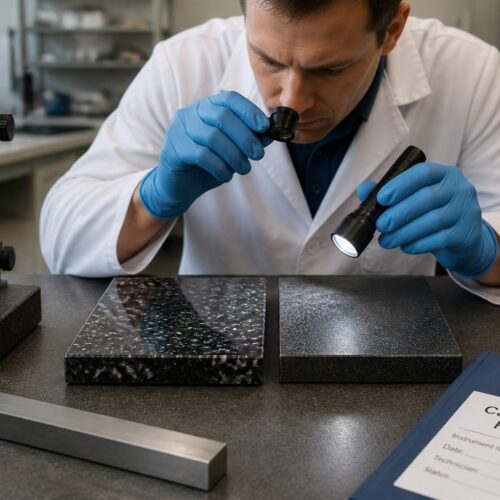
Visually inspect the entire surface of the plate under good lighting for any signs of wear, scratches, or minor impacts. Pay close attention to the most frequently used areas, often near the center or edges, as these spots tend to show wear first. Documenting these initial observations is a crucial part of your condition checks.
Clean the area immediately surrounding the surface plate, including the stand, shelving, and floor. Dust and debris from these areas easily migrate onto the precision surface, even with a cover in place. A clean environment supports the plate’s cleanliness and reduces contamination risks.
Check the condition of your surface plate cover, ensuring it is clean, dry, and free from tears or damage. A compromised cover cannot offer adequate protection, making its integrity just as important as the plate’s cleanliness. Replace or repair covers that show significant wear.
Review the accessories used with the plate, such as height gauges, gauge blocks, and comparators. Clean these instruments thoroughly and store them properly to prevent them from transferring dirt or contaminants to the granite surface. This attention to detail contributes significantly to your overall maintenance efforts.
Ensure the temperature and humidity controls in the room are operating correctly and within specified limits for your granite plate. Fluctuations in these environmental factors can cause minute dimensional changes in the granite, affecting its accuracy. Consistent environmental stability is a silent but powerful aspect of effective maintenance.
Record all weekly tasks performed in your maintenance log, noting any observations or issues. This consistent record-keeping is vital for tracking the plate’s history and identifying patterns of wear or potential problems. A well-maintained log is an invaluable asset for long-term care.
Monthly Tasks: stand checks, cover checks, and accessory review
Monthly tasks delve deeper than routine cleaning, focusing on the structural integrity of the surface plate’s support system and associated tools. These checks ensure that the entire measurement setup remains stable and reliable. Ignoring these components undermines the precision of the granite itself.
This is when you conduct more systematic condition checks, ensuring every part of your metrology station functions as intended. A thorough review at this cleaning frequency prevents small issues from escalating into major problems. It is a critical part of a robust granite surface plate maintenance schedule.
- Inspect the surface plate stand for stability
- Tighten any loose bolts or leveling screws on the stand
- Check vibration dampeners or pads for wear
- Clean and inspect the underside of the surface plate
- Verify the condition of the protective cover and replace if damaged
- Review all accessory tools for cleanliness and proper function
- Inspect storage cabinets for cleanliness and organization
- Ensure environmental sensors are working correctly
Quarterly Tasks: wear review and workflow adjustments
Quarterly maintenance represents a comprehensive assessment of your granite surface plate, moving beyond simple upkeep to proactive preservation. This is where you critically evaluate the plate’s performance and adjust your maintenance strategy. It is an essential step for long-term accuracy and cost-effectiveness.
Conduct a detailed visual inspection of the entire surface for any signs of uneven wear, pitting, or micro-scratches. Use a strong light source angled across the surface to highlight even subtle imperfections. Documenting these findings with photographs provides valuable baseline data for future condition checks.
Review your maintenance log for patterns in usage, cleaning frequency, and any reported issues. This data helps identify “hot spots” on the plate that experience more wear or areas where contamination is a recurring problem. Such insights allow for targeted adjustments to your daily and weekly routines.
Consider rotating the surface plate 90 or 180 degrees if permissible and practical for your setup. This practice helps distribute wear more evenly across the surface, extending the time between costly re-lapping services. Consult your plate’s manufacturer guidelines before attempting this, as some plates have specific alignment requirements.
Evaluate the workflow around the surface plate, looking for ways to minimize contact, reduce the risk of accidental drops, or optimize instrument placement. Sometimes, a simple rearrangement of tools or a change in handling procedures can significantly reduce wear. This is a good opportunity to involve all users in the discussion.
Assess whether your current environmental controls are adequate for maintaining optimal temperature and humidity. If the data from your environmental sensors shows consistent deviations, consider upgrading or recalibrating your HVAC system. Stable environmental conditions are paramount for preserving granite stability.
This quarterly review is also the ideal time to schedule your professional calibration and re-certification if it is due. Regular professional checks confirm the accuracy of your plate and provide expert recommendations for ongoing care. These certifications are often required for quality assurance standards.
Finally, update your granite surface plate maintenance schedule based on your findings and adjustments. This ensures your plan remains dynamic and responsive to the actual condition and usage of your plate. A living document is always more effective than a static one.
After-Event Tasks: moves, spills, drops, and heavy projects
Certain events demand immediate and specific maintenance actions that fall outside the regular cleaning frequency. Ignoring these “after-event” tasks can lead to immediate damage or long-term accuracy issues. Being prepared for these situations is crucial for protecting your investment.
If you move a granite surface plate, even a short distance, it requires a thorough inspection afterward. The plate’s internal stress can shift, potentially affecting its flatness. Always check for any new cracks, chips, or changes in the stand’s stability after relocation.
Spills of any kind, especially corrosive liquids or those containing abrasive particles, need immediate attention. Blot the spill gently with an absorbent, lint-free cloth, avoiding rubbing that could spread contaminants. Follow up with a full cleaning using appropriate granite cleaner to remove any residue.
Accidental drops of tools or workpieces onto the plate necessitate an immediate and detailed condition check. Even if no visible damage appears, an impact can create localized stresses or micro-fractures. It is wise to perform a preliminary flatness check with a master straightedge if available, and schedule a professional calibration soon.
After completing heavy projects involving large, rough, or abrasive workpieces, a more rigorous cleaning is essential. Fine metal dust or grinding swarf can be highly abrasive and embed itself into the granite’s pores. A deep clean, possibly involving multiple rinses, helps remove these damaging particles.
Always document these after-event actions in your maintenance log, including the nature of the event, the steps taken, and any observations. This record helps track the plate’s history and provides context for future condition checks. A detailed log proves invaluable for diagnostics.
Consider implementing protective mats or temporary barriers during heavy-duty operations to minimize direct contact with the granite surface. Prevention is always better than cure, especially when dealing with the potential for expensive damage. These proactive measures supplement your regular granite surface plate maintenance schedule.
Maintenance Logs That People Actually Use
A maintenance log is more than just a record-keeping chore; it is a vital tool for managing your granite surface plate’s health and performance. A well-designed log provides a historical overview, helps identify trends, and supports informed decision-making. It transforms guesswork into data-driven strategy.
For a maintenance log to be truly useful, it needs to be simple, accessible, and consistently updated. Complicated forms or inaccessible digital systems often lead to neglected entries or incomplete information. The goal is to make logging a natural part of the routine, not an intimidating hurdle.
Include key information such as the date of the task, who performed it, the type of task (daily clean, weekly inspection, etc.), and any specific observations. Note details like unusual dust accumulation, minor scratches, or changes in environmental conditions. These small notes become powerful insights over time.
Consider a simple binder with printed sheets for physical logs, placed right next to the surface plate. For digital options, a shared spreadsheet or a basic CMMS (Computerized Maintenance Management System) can work well. The best system is the one that gets used consistently by everyone.
The log should also track calibration dates, re-certification results, and any repairs performed. This comprehensive history is invaluable for planning future maintenance, assessing the plate’s lifespan, and justifying replacement costs. It also serves as proof of adherence to quality standards.
Regularly review the maintenance log, perhaps during your quarterly condition checks, to spot recurring issues or areas of concern. This proactive analysis helps you adjust your granite surface plate maintenance schedule before minor problems become major ones. Data-driven adjustments are always more effective.
Integrate the maintenance log into training for new personnel, emphasizing its importance and how to correctly fill it out. This ensures continuity in record-keeping and reinforces the value of diligent maintenance from the start. A shared commitment to the log improves its utility.
A truly effective maintenance log turns routine chores into actionable data. It moves your shop from reactive problem-solving to proactive precision management. This systematic approach is a cornerstone of maintaining high metrology standards.
Assigning Ownership: making the schedule stick
Even the most meticulously designed granite surface plate maintenance schedule will fail without clear assignment of responsibility. When everyone is responsible, nobody is responsible, and tasks often go undone. Clarity in roles ensures accountability and consistent execution.
Designate specific individuals or teams for each maintenance task, from daily cleaning frequency to quarterly condition checks. This creates a sense of ownership and personal investment in the plate’s well-being. Knowing who does what prevents confusion and overlooked duties.
Provide adequate training for all personnel assigned maintenance duties. Ensure they understand the correct procedures, the importance of each task, and how to use the maintenance log effectively. Proper training empowers employees to perform their roles confidently and correctly.
Integrate these maintenance responsibilities into job descriptions and performance reviews. This formal recognition elevates the importance of surface plate care within the organization. When maintenance is a recognized part of the job, it gets done.
Establish a system for oversight, where a supervisor or lead technician periodically verifies that tasks are completed and logs are updated. This does not mean micromanaging, but rather ensuring the system functions as intended. Regular checks reinforce the importance of the maintenance schedule.
Encourage a culture where everyone feels comfortable reporting issues or concerns about the surface plate. An open communication channel helps catch problems early, even if they fall outside scheduled checks. This collaborative approach strengthens the overall maintenance effort.
Celebrate successes and acknowledge individuals who consistently excel in their maintenance roles. Positive reinforcement encourages adherence to the schedule and fosters a greater appreciation for precision equipment. Recognition helps build a strong maintenance culture.
When everyone understands their role and the value of their contribution, the granite surface plate maintenance schedule becomes a seamless part of daily operations. This shared commitment is the true secret to long-term success. It protects your investment and maintains your reputation for quality.
Reviewing Results: how to refine the plan over time
A granite surface plate maintenance schedule is not a static document; it is a living plan that needs continuous evaluation and refinement. What works well today might need adjustments tomorrow, especially as usage patterns or environmental conditions change. Regular review keeps your maintenance strategy optimized.
Periodically analyze the data collected in your maintenance log, looking for trends, recurring issues, or areas of unexpected wear. This data-driven approach helps you identify if your current cleaning frequency is adequate or if certain condition checks need more attention. Let the facts guide your decisions, not just assumptions.
Gather feedback from the technicians and operators who regularly use the surface plate and perform the maintenance tasks. They often have practical insights into what works, what is cumbersome, and where improvements can be made. Their experience is invaluable for fine-tuning the schedule.
Compare your plate’s re-certification results against previous calibrations and your internal condition checks. Significant deviations might indicate a need for more frequent professional checks or a re-evaluation of your daily maintenance practices. This comparison validates your efforts and highlights areas for improvement.
Adjust your cleaning frequency, the type of cleaning agents, or the timing of specific condition checks based on your review. For instance, if you notice increased pitting, you might need to increase the frequency of deep cleans or change how heavy parts are handled. Flexibility is key to effective maintenance.
Stay informed about new products or best practices in granite surface plate maintenance. Technology and understanding evolve, and adopting new techniques can enhance your maintenance efforts. Continuous learning keeps your shop at the forefront of metrology excellence.
Communicate any changes or refinements to the entire team, ensuring everyone understands the updated procedures and their rationale. This transparency fosters buy-in and helps maintain consistency in execution. A well-informed team is an effective team.
Ultimately, reviewing results allows you to create a more efficient, effective, and responsive granite surface plate maintenance schedule. This iterative process ensures your precision equipment consistently performs at its best. It is about striving for continuous improvement, not just meeting a minimum standard.
Conclusion
Maintaining your granite surface plate is not merely a suggestion; it is a fundamental requirement for any operation committed to precision metrology. This bedrock of accurate measurement deserves consistent, thoughtful care. Without it, the foundation of your quality control crumbles.
Implementing a well-structured granite surface plate maintenance schedule offers tangible benefits, including extended plate lifespan, consistent measurement accuracy, and reduced unexpected costs. It moves your operation from reactive fixes to proactive quality assurance. This systematic approach pays dividends daily.
From establishing a diligent cleaning frequency to performing thorough condition checks and maintaining an accurate maintenance log, every step contributes to the plate’s longevity. These efforts safeguard your investment and uphold your reputation for producing high-quality work. Precision stems directly from diligent care.
Take the initiative today to assess your current practices and implement a comprehensive granite surface plate maintenance schedule. Tailor it to your specific needs, assign clear ownership, and commit to regular review and refinement. Your commitment ensures unwavering accuracy for years to come.
A well-maintained surface plate is more than just a piece of equipment; it is a testament to your dedication to excellence. It embodies the precision and reliability that your customers expect. Make maintenance a priority, and your metrology will always stand on solid ground.
Embrace these practices and witness the sustained performance and accuracy of your most critical measurement tool. A proactive approach protects your investment and enhances every aspect of your quality control. This commitment to detail truly sets successful operations apart.
Remember that even the highest quality granite requires consistent attention to maintain its perfect flatness. Regular cleaning, careful handling, and periodic professional calibration form an unbreakable chain of care. This comprehensive strategy ensures every measurement you take is trustworthy and repeatable.