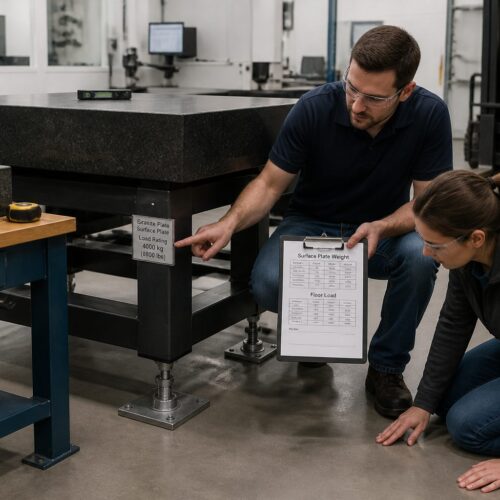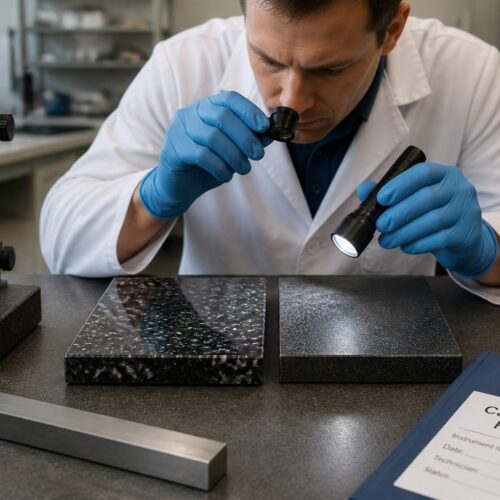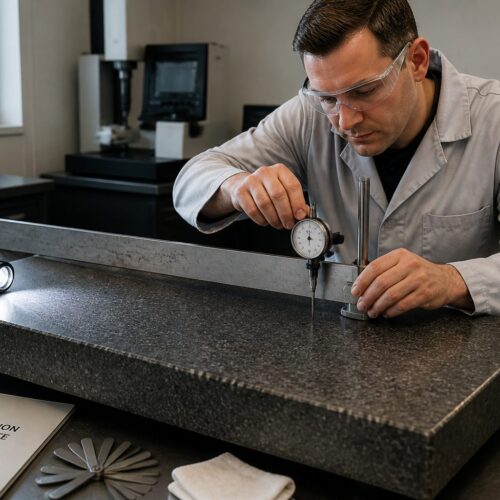

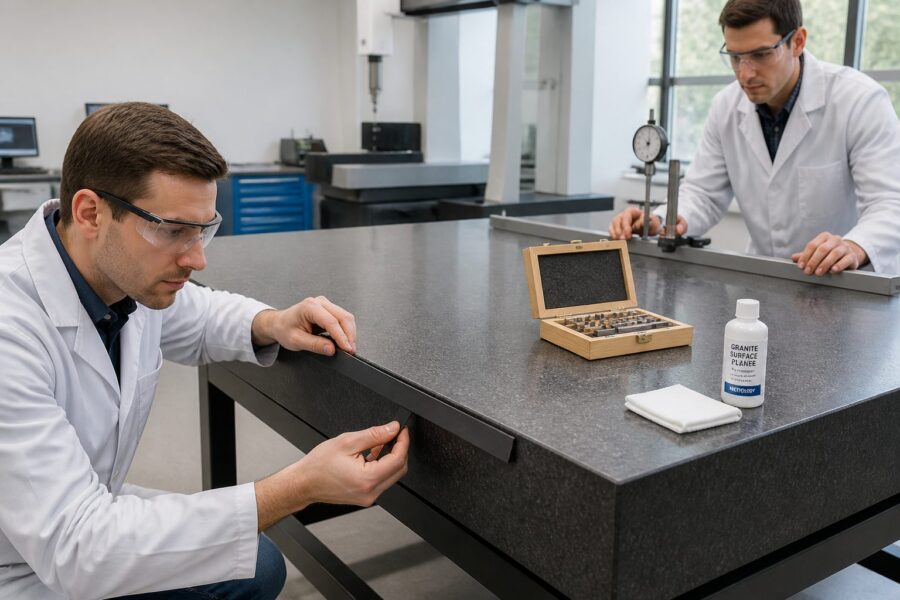
Granite surface plates are the bedrock of precision measurement, offering an incredibly stable and flat reference plane for metrology. Their inherent stability and thermal properties make them indispensable in manufacturing, quality control, and calibration labs worldwide. However, despite their robust nature, the edges of these highly precise instruments are surprisingly vulnerable to damage.
A chipped edge, even a small one, can compromise the integrity of the plate, potentially leading to inaccurate readings or hindering the ability to use certain areas of the surface. Protecting these critical perimeters is not just about aesthetics; it is about maintaining the accuracy and longevity of a significant investment. Finding effective granite surface plate edge protection ideas that do not interfere with daily work is a constant challenge for many facilities.
This article explores practical strategies and solutions to safeguard your valuable granite surface plates, ensuring they continue to provide reliable measurement for years to come. We will look at various approaches, from simple preventative measures to specialized corner guards, all aimed at handling damage prevention without impeding your precision tasks. Protecting these crucial tools ensures consistent quality and avoids costly replacements or repairs down the line.
Why Edges Chip First: Real-world causes in busy areas
The edges of a granite surface plate are the first line of defense against the hustle and bustle of a busy workshop or laboratory. They are often the most exposed parts, making them prime targets for accidental impacts. Tools, components, and even personnel can inadvertently strike these vulnerable areas during routine operations.
One common culprit is the careless placement or dropping of measuring instruments directly onto the plate’s perimeter. A heavy caliper, a micrometre, or even a small gauge falling from a short height can exert enough localized force to create a chip. This kind of damage is often immediate and irreversible, impacting the plate’s usable area.
Movement of carts, trolleys, or other material handling equipment near the surface plate also poses a significant risk. Wheels or corners of moving equipment can easily bump into the plate’s edge, especially in cramped or high-traffic zones. Such impacts might seem minor, but granite is brittle and does not flex under stress.
Human error, unfortunately, plays a large part in edge damage. Rushing through tasks, lack of awareness, or insufficient training can all contribute to incidents where plates are bumped or scratched. Even leaning against the plate or using it as a temporary workbench can lead to unintended consequences for the plate perimeter protection.
Furthermore, the nature of granite itself makes edges susceptible to chipping. While incredibly hard, granite has a crystalline structure that makes it vulnerable to sharp, localized impacts. Unlike metal, which might dent or deform, granite tends to chip cleanly when struck with sufficient force, especially on a sharp corner or edge.
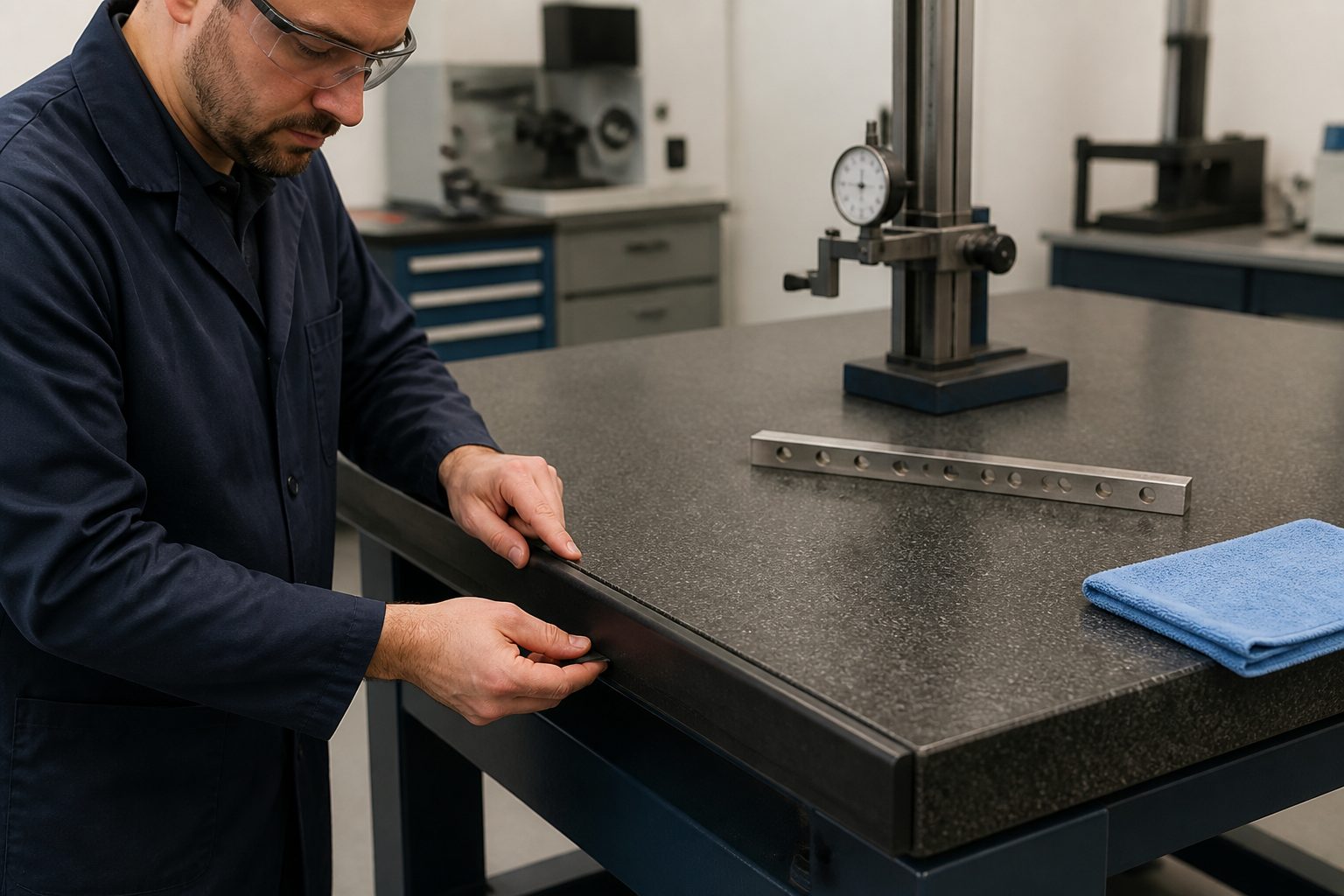
Even vibrations from nearby machinery or heavy foot traffic can, over time, weaken microscopic areas along the edge, making them more prone to chipping from a subsequent, seemingly minor, impact. This cumulative stress makes proactive plate perimeter protection even more important. Understanding these real-world causes is the first step toward implementing effective granite surface plate edge protection ideas.
What Edge Protection Can and Can’t Do
Edge protection, whether it is a simple bumper or a sophisticated corner guard, serves primarily to absorb or deflect impacts that would otherwise directly hit the granite. It is highly effective at preventing small chips and dings that result from everyday bumps, dropped tools, or light contact with moving objects. This means fewer immediate repairs and a longer lifespan for your precision instrument.
However, it is important to have realistic expectations about the capabilities of any plate perimeter protection system. No amount of edge protection can fully safeguard a granite surface plate from severe, high-force impacts, such as dropping a very heavy object from a significant height directly onto the edge. These extreme events can still cause substantial damage, including large chips or even cracks in the plate itself. Furthermore, edge protection does not prevent damage to the top working surface of the plate, which requires different protective measures like covers and careful handling of workpieces. It specifically addresses the vulnerable perimeter.
| Type of Damage | Edge Protection Effectiveness | Why it helps/doesn’t help |
|---|---|---|
| Small chips from dropped tools | Highly Effective | Absorbs impact energy before it reaches the granite. |
| Scratches from sliding parts | Moderately Effective | Can prevent direct contact, but not if parts slide over the guard. |
| Minor bumps from carts | Highly Effective | Provides a buffer zone, deflecting or cushioning the impact. |
| Major cracks from heavy drops | Minimally Effective | Cannot absorb enough energy from extreme forces; damage can propagate. |
| Surface wear from abrasive use | Not Applicable | Designed for edge impacts, not protecting the top working face. |
| Damage during transport | Highly Effective (with proper temporary guards) | Prevents impacts during lifting and moving operations. |
Removable Guards: Materials and attachment methods that stay clean
Removable corner guards and plate perimeter protection offer a flexible solution for granite surface plate edge protection ideas, allowing you to protect the plate when needed and remove guards for certain operations or cleaning. The choice of material is critical, balancing impact absorption with cleanliness and durability. Soft, non-marring materials like high-density rubber or specialized plastics are excellent choices.
Rubber corner guards provide superb cushioning against impacts, reducing the likelihood of chips from accidental bumps. These are often designed to fit snugly around the corners, offering protection where the plate is most vulnerable. Make sure the rubber is dense enough to absorb force without deforming excessively and becoming a contact point for grit.
Another option is hard plastic or composite corner guards, which offer a more rigid barrier against impacts. These can be molded to fit specific plate dimensions and often come with smooth, non-porous surfaces that are easy to wipe clean. Look for materials that resist common workshop chemicals and oils, ensuring longevity and maintaining a professional appearance.
Attachment methods for these removable guards are crucial to prevent them from shifting or introducing contamination. Magnetic guards are a popular choice for plates with steel stands, offering quick attachment and removal without adhesives or clamps. Ensure the magnets are strong enough to hold the guards firmly in place but do not interfere with sensitive magnetic measurements.
Clamp-on or compression-fit designs use mechanical pressure to secure the guards to the plate’s edge. These systems should be designed so that the clamping mechanism does not exert undue pressure on the granite itself, which could lead to stress points or damage. Always check that the clamps are made from non-marring materials like plastic or padded metal to prevent scratching the plate’s sides.
For maintaining cleanliness, guards made from smooth, non-porous materials are ideal because they do not trap dust, grit, or oils. Regular cleaning of the guards themselves and the granite beneath them is essential to prevent contamination from migrating onto the working surface. Choose designs that allow for easy removal and reinstallation, encouraging frequent cleaning routines. This proactive approach ensures that your plate perimeter protection does not become a source of measurement error.
Workstation Layout Changes That Protect Edges Automatically
Rethinking your workstation layout is one of the most effective granite surface plate edge protection ideas, creating inherent safeguards against damage without relying on add-on products. Strategic placement of the surface plate can significantly reduce the risk of accidental impacts. Consider positioning the plate away from high-traffic pathways, doorways, or forklift routes.
Creating a dedicated “buffer zone” around the surface plate is a simple yet powerful preventative measure. This zone, marked on the floor with tape or paint, clearly indicates an area where carts, tools, and personnel should exercise extra caution or avoid altogether. This visual cue reinforces the importance of the plate’s precision and encourages careful movement.
Positioning adjacent workbenches or storage units slightly lower than the surface plate’s top can also provide a physical barrier against impacts. If a tool slides off a nearby surface, it will hit the lower bench instead of directly striking the plate’s edge. This small height difference can make a big difference in handling damage prevention.
Ensure that lighting around the surface plate is adequate and free from glare, improving visibility for operators and reducing the chance of accidental bumps. Good lighting helps users clearly see the plate’s edges and any items near them. Poor lighting can lead to misjudgments and increased risk of damage.
Mounting tool racks or shelves directly above or alongside the surface plate, but slightly set back, prevents tools from being placed precariously close to the edge. This encourages organized storage and reduces the likelihood of tools falling onto the plate. Proper storage solutions are key to maintaining a safe measurement environment.
If possible, consider placing the surface plate in a corner or against a wall, which naturally protects two of its four sides from impacts. This simple adjustment immediately reduces the exposed perimeter. While not always feasible, it is a highly effective passive protection strategy. Thoughtful layout modifications are often the most robust form of plate perimeter protection.
Safe Parking Zones for Tools and Parts (off the perimeter)
Establishing clear, designated “parking zones” for tools and parts is a fundamental aspect of effective granite surface plate edge protection ideas and general good practice. This strategy prevents operators from habitually placing items directly on the plate’s perimeter, which is a common cause of chipping. These zones should be convenient but far enough from the plate’s edge to avoid accidental contact during use or retrieval.
Think about where tools are most likely to be set down during a measurement task and provide an alternative, safer location immediately. This could be a small side table, a dedicated tool tray, or a shelf positioned just outside the measurement area. The goal is to make the safe parking zone the easiest and most natural place for tools to rest, thereby enhancing handling damage prevention.
- Magnetic tool strips on an adjacent workbench
- Rubber-lined trays on a dedicated rolling cart
- Shadow boards for frequently used gauges
- Small, stable side tables for temporary part holding
- Drawer units beneath the surface plate stand
- Overhead shelves for less frequently used items
- Soft-lined bins for small components
Moving and Lifting: Edge protection during transport
Transporting a granite surface plate, whether across the room or to a different facility, presents one of the highest risks for edge damage. Even experienced movers can inadvertently bump a corner or drop the plate if proper precautions are not in place. Effective handling damage prevention during these operations is absolutely critical to maintaining the plate’s integrity.
Before any movement, all four edges and especially the corners of the surface plate should be temporarily protected with robust corner guards or thick padding. Heavy-duty rubber or dense foam protectors specifically designed for granite moving are ideal, as they can absorb significant shock. These temporary guards should be securely fastened to prevent shifting during transit.
Using appropriate lifting equipment is non-negotiable for large or heavy plates. Forklifts, pallet jacks, or specialized lifting slings designed for heavy, flat objects should always be employed. Never attempt to lift a large granite plate manually, as this risks injury to personnel and severe damage to the plate. Proper lifting techniques distribute the load evenly and minimize stress points.
When using slings, ensure they are wide and padded to prevent them from cutting into the granite or concentrating pressure on the edges. The lifting points should be carefully chosen to maintain the plate’s balance and prevent it from tilting or slipping. A tilted plate can easily strike an obstacle and chip an edge.
During transport on a truck or dolly, the plate must be securely strapped down to prevent any movement. Even minor shifts can cause the plate to rub against its packaging or the vehicle’s walls, leading to abrasions or chips. Use plenty of soft packing material, like blankets or cardboard, to fill any gaps around the plate. These simple granite surface plate edge protection ideas are essential.
Finally, the path of transport should be cleared of all obstacles and potential hazards before moving begins. Plan the route carefully, ensuring there is ample clearance through doorways, around corners, and over ramps. A smooth, unobstructed path significantly reduces the chance of accidental impacts and enhances overall plate perimeter protection. This attention to detail safeguards your investment.
Cleaning Around Guards: avoiding trapped grit
While corner guards and plate perimeter protection are excellent for handling damage prevention, they introduce a new challenge: preventing trapped grit and contaminants. Dust, debris, and fine particles can accumulate underneath or around these guards, potentially migrating onto the working surface. This contamination can compromise measurement accuracy and even scratch the granite if not managed correctly.
The key to effective cleaning around guards is regular, thorough removal and inspection. Guards should be detached periodically as part of your routine cleaning schedule. This allows you to completely clean the granite surface beneath them and the guards themselves, ensuring no abrasive particles are hiding. If guards are difficult to remove, they might not be the best choice for a precision environment.
When cleaning, use a dedicated, lint-free cloth and an appropriate granite cleaner or isopropyl alcohol. Wipe down the exposed granite surface, then carefully clean the inside surfaces of the guards that contact the plate. Pay close attention to any grooves or crevices where dust might settle. Trapped grit can act like sandpaper if pressure is applied.
After cleaning both the plate and the guards, ensure everything is completely dry before reattaching the protection. Any residual moisture could attract new dust or, in humid environments, promote mildew. A dry, clean surface is crucial for preventing contamination and maintaining precision.
Consider the design of the guards themselves. Smooth, minimalist designs with minimal nooks and crannies are easier to clean and less likely to trap debris. Guards with integrated seals or very tight fits can also help prevent dust ingress, though they still require periodic removal for inspection. Simpler designs often lead to better long-term cleanliness and performance.
Implementing a clear schedule for guard removal and cleaning, perhaps weekly or monthly depending on the workshop environment, ensures this task is not overlooked. Communicate this schedule to all operators, emphasizing the importance of a clean environment for accurate measurements. This proactive approach ensures your granite surface plate edge protection ideas do not inadvertently create new problems.
Signs Guards Are Creating contact or rubbing problems
While granite surface plate edge protection ideas are designed to prevent damage, poorly fitted or maintained guards can inadvertently cause their own set of problems. It is crucial to regularly inspect your corner guards and plate perimeter protection for any indications of contact or rubbing issues that might affect the plate’s accuracy or surface integrity. Ignoring these signs can lead to subtle but persistent measurement errors.
One of the most obvious signs is visible wear or discoloration on the granite surface directly beneath or adjacent to the guard. If you notice any dulling, scratching, or a change in the granite’s sheen in these areas, it suggests the guard is either too tight, has grit trapped underneath it, or is made from an abrasive material. This kind of rubbing can compromise the flatness of the edge over time.
Another indicator is difficulty in sliding measuring tools or workpieces along the edge of the plate where guards are present. If tools catch, snag, or encounter resistance, the guard might be slightly protruding above the plate’s working surface or creating an uneven barrier. This directly interferes with the measurement process and indicates a problem with the guard’s fit.
Look for any deformation or damage to the guards themselves, such as cracks, chips, or excessive compression. A damaged guard might no longer sit flush against the plate, creating gaps where grit can enter or causing uneven pressure points. Replacing damaged guards promptly is essential for maintaining effective handling damage prevention.
If you experience unexplained inconsistencies in your measurements, especially when working near the plate’s edges, the guards could be a contributing factor. A guard that slightly lifts or distorts the granite, even minimally, can introduce errors into highly precise readings. Always consider the guards as a potential variable when troubleshooting measurement discrepancies, especially when they are new or recently reinstalled.
Finally, pay attention to any unusual sounds, like squeaking or grinding, when moving tools near the guarded edges. These noises often indicate friction between the guard, the granite, or trapped debris. Such sounds are a clear warning that something is rubbing inappropriately and needs immediate attention to prevent further damage or contamination. Regular checks are vital for ensuring that your plate perimeter protection remains an asset, not a liability.
Training and signage: making edge protection stick
Even the best granite surface plate edge protection ideas and physical safeguards are useless without proper human engagement. Comprehensive training and clear signage are fundamental to ensuring that edge protection protocols are understood, respected, and consistently followed by everyone in the workshop or lab. This human element is often the weakest link in any protection strategy.
Training sessions should cover not just what to do, but why it is important to protect the surface plate edges. Explain the cost of repairs, the impact of inaccurate measurements on product quality, and the overall value of the plate as a precision instrument. Understanding the consequences of neglect fosters a greater sense of responsibility among staff, enhancing handling damage prevention.
Demonstrate correct procedures for placing and removing tools, positioning workpieces, and moving equipment around the plate. Show staff how to properly inspect and clean corner guards, and what signs of wear or contamination to look for. Practical, hands-on training reinforces good habits and addresses common mistakes before they become problems.
Clear, concise signage strategically placed near the surface plate serves as a constant visual reminder of proper etiquette. These signs should be easy to read, perhaps using universal symbols, and highlight key rules like “No Tools on Edge,” “Keep Clear of Perimeter,” or “Report Any Damage.” Such visual cues act as silent trainers, reinforcing the importance of plate perimeter protection.
Regular refreshers or toolbox talks can help keep edge protection awareness top of mind, especially when new personnel join the team or new equipment is introduced. These short, focused discussions can address specific incidents or reinforce best practices, ensuring that the message remains current and relevant. Consistency in messaging is key to long-term success.
Encourage a culture of accountability where everyone takes ownership of maintaining the plate’s integrity. Empower staff to politely remind colleagues of proper procedures or to report potential hazards. When everyone contributes to the effort, the overall effectiveness of your granite surface plate edge protection ideas dramatically improves, leading to a more robust and reliable measurement environment.
Low-cost improvements you can implement in one day
Protecting your granite surface plate edges does not always require a large budget or complex installations. Many effective granite surface plate edge protection ideas can be implemented quickly and affordably, offering immediate benefits to handling damage prevention. These low-cost solutions are often about smart planning and using readily available materials.
One simple improvement is to use heavy-duty rubber matting or foam strips around the base of the surface plate stand. This creates a soft landing zone for dropped tools or components, preventing them from bouncing up and hitting the plate’s edge. It is an easy way to add a layer of passive protection without direct contact with the plate.
Marking a clear “no-go” zone on the floor around the surface plate with durable industrial tape is incredibly effective. This visual boundary reminds everyone to maintain a safe distance, especially when moving carts or heavy items. It costs very little but makes a significant difference in preventing accidental bumps.
Utilize existing materials to create temporary corner guards. Pieces of sturdy cardboard, thick foam packaging, or even sections of rubber hose can be cut and taped securely around the plate’s corners during periods of high activity or when moving the plate. While not a permanent solution, they offer immediate, temporary plate perimeter protection.
Organize and declutter the area around the surface plate immediately. Removing unnecessary items, clearing pathways, and ensuring tools have designated, off-plate storage spots reduces the chances of accidental contact. A clean and organized workspace is inherently safer and prevents many common types of edge damage.
Repurpose old conveyor belting or thick rubber sheeting by cutting it into strips and attaching it to the edges of adjacent workbenches or carts that might come into contact with the plate. This creates a soft bumper on the potential impact source, absorbing shock before it reaches the granite. This proactive measure prevents damage at its source.
Finally, conduct a quick “hazard walk” around your surface plate with your team. Identify specific points where damage is most likely to occur and brainstorm quick, cheap fixes. Often, the people who use the plate daily have the best insights into practical, low-cost granite surface plate edge protection ideas that can be implemented right away. This collaborative approach yields practical results.
Conclusion
Protecting the edges of your granite surface plate is an essential aspect of maintaining measurement accuracy and extending the life of your valuable metrology equipment. Ignoring the vulnerability of these perimeters can lead to costly repairs, compromised data, and unnecessary downtime. Proactive measures are always more cost-effective than reactive fixes.
From understanding the common causes of edge damage to implementing practical granite surface plate edge protection ideas, a multi-faceted approach yields the best results. This includes using physical corner guards, optimizing workstation layouts, and establishing disciplined tool management practices. Each strategy contributes to a more robust protection system.
Effective handling damage prevention also extends to critical operations like moving and lifting, where temporary but robust protection is paramount. Attention to detail during these high-risk activities can prevent significant damage. A small investment in time and materials here saves a much larger investment later.
Moreover, the ongoing maintenance of plate perimeter protection, including regular cleaning around guards and vigilance for signs of rubbing, ensures that the protection itself does not become a source of error. A clean guard is a good guard, and a well-fitting guard is essential for precision work. Always prioritize cleanliness and fit.
Ultimately, the success of any edge protection strategy hinges on the human element, making comprehensive training and clear signage indispensable. When everyone understands the importance of protecting these precision tools, and consistently follows best practices, the longevity and reliability of your surface plates are greatly enhanced. Foster a culture of care and precision.
By implementing these practical and often low-cost granite surface plate edge protection ideas, you can safeguard your investment, ensure the integrity of your measurements, and maintain a high standard of quality in your operations. A well-protected surface plate remains a true bedrock for all your precision needs. Take these steps today to secure your metrology future.