
Setting the right surface plate calibration interval is a challenge many precision shops face, as generic annual schedules often miss the mark. You need an approach reflecting how your granite surface plates truly get used daily. This ensures measurement accuracy and prevents costly errors, moving beyond mere compliance.
A “one-size-fits-all” calibration frequency can mean undetected wear or unnecessary calibration for lightly used plates. Understanding real degradation factors lets you implement a smarter, more efficient system. This article shows you how to set a surface plate calibration interval based on shop conditions, not just arbitrary dates.
We advocate usage based calibration, considering workload, environment, and historical data to optimize your schedule. This reduces inaccurate measurement risks while extending your inspection tools’ useful life. Prepare to rethink your calibration strategy and build a robust program for your facility.
Why a One-Size Interval Doesn’t Work for Every Plate
Many companies adopt a standard annual surface plate calibration interval, often seeing it as the easiest option. This blanket approach rarely accounts for diverse plate demands within the same facility. A plate used daily for production differs from one reserved for occasional final inspections.
Applying the same fixed interval to both plates leads to inefficiencies and potential risks. You might over-calibrate a lightly used plate, wasting time and money on unnecessary services. A heavily used plate could develop wear long before its scheduled check, compromising measurement integrity.
Think about a plate in a grinding department versus one in a clean room; their exposure to abrasive dust and temperatures differs completely. These environmental disparities demand a nuanced approach to setting calibration frequencies. A fixed schedule ignores these critical operational realities.
A rigid schedule also fails to adapt to changes in production volume or part complexity. If your shop shifts to higher volume production with tighter tolerances, plates experience accelerated wear. A static surface plate calibration interval cannot respond to these dynamic shifts.
Embracing a usage based calibration strategy offers a more intelligent and cost-effective solution. This method ensures each surface plate receives attention precisely when needed, maximizing accuracy and minimizing unnecessary expenses. It aligns calibration efforts with each plate’s actual risk profile.
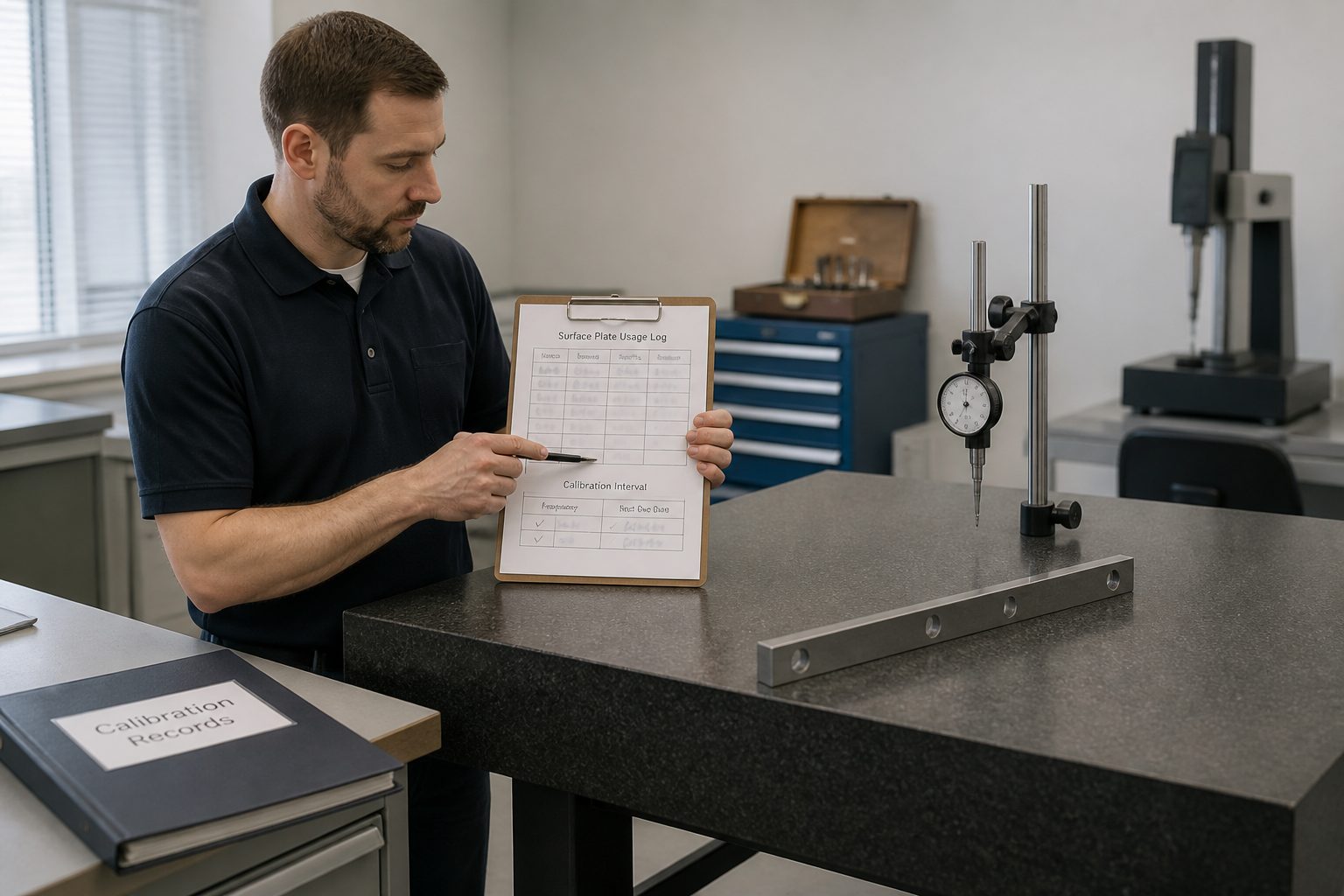
Factors That Shorten or Extend a Calibration Interval
Several key factors directly influence how quickly a granite surface plate loses accuracy, dictating its ideal surface plate calibration interval. Understanding these helps you move beyond arbitrary dates to an informed schedule. Ignoring these factors can lead to excessive costs or undetected measurement errors.
Frequency of use is arguably the most significant; daily used plates naturally wear faster than weekly or monthly ones. Heavy parts or tools dragged repeatedly create microscopic abrasions that accumulate. This constant friction directly impacts the plate’s flatness and overall accuracy.
The type of material being inspected also plays a critical role in determining wear patterns. Measuring rough castings or parts with sharp edges accelerates wear compared to inspecting smooth, finished components. Contact stress and potential for scratching are much higher with abrasive workpieces.
Environmental conditions within your facility significantly affect plate stability and wear. Temperature fluctuations cause granite to expand and contract, potentially stressing the material. Exposure to dust, grit, or corrosive mists can also degrade the surface finish.
Operator skill and careful use also impact surface plate longevity. Dropping tools, dragging heavy parts carelessly, or failing to clean the surface degrades precision quickly. Proper training and adherence to best practices can certainly extend a plate’s accurate life.
Using Workload and Part Types to Estimate Wear
Estimating wear based on workload and part characteristics offers a practical way to implement usage based calibration. You need to categorize plates by usage intensity and specific demands placed upon them. This helps predict when a surface plate calibration interval might need adjusting.
Consider the average active hours per shift, along with part size, weight, and surface finish. A plate consistently measuring large, rough castings experiences more wear than one used for small, polished components. This data forms the backbone of a risk based interval approach.
| Usage Category | Typical Workload | Part Types | Recommended Initial Interval |
|---|---|---|---|
| Heavy Duty | Daily, >6 hours/day | Large, rough castings; heavy fixtures; abrasive materials | 6-9 months |
| Moderate Use | Daily, 2-6 hours/day | Medium-sized machined parts; occasional heavy fixtures | 9-12 months |
| Light Duty | Weekly, <2 hours/day | Small, finished components; delicate assemblies | 12-18 months |
| Reference Only | Monthly or less | Master standards; critical final inspections | 18-24 months |
The Role of Environment: Temperature, Dust, and Vibration
Environmental factors profoundly influence long-term accuracy and stability of your granite surface plates, often more than realized. Temperature fluctuations are particularly problematic, as granite expands and contracts with changes, potentially leading to cumulative stress. A stable environment proves crucial for maintaining precision.
Significant temperature swings introduce temporary measurement errors that vanish once the plate stabilizes, but can also cause permanent deformation. Maintaining a consistent ambient temperature in your inspection area is therefore important. Consider the impact on your surface plate calibration interval if your shop experiences wide temperature variations.
Dust and airborne abrasives pose another serious threat to surface plate integrity. Even fine particles, trapped between a workpiece and the plate, act as grinding paste under pressure. This constant micro-abrasion slowly degrades the flatness and finish of the granite surface. Regular cleaning becomes non-negotiable in dusty environments.
Vibration from nearby machinery, heavy foot traffic, or external sources can affect measurement stability. While granite inherently damps vibrations well, constant exposure to low-frequency oscillations still transmits stress. Proper isolation pads and a stable foundation are essential defenses.
High humidity contributes to rust on metallic tools and parts, transferring to the plate and causing localized wear. Conversely, extremely low humidity sometimes leads to static electricity buildup, attracting more dust. Controlling your shop’s climate significantly extends your surface plate calibration interval.
How Past Calibration History Guides Your Next Interval
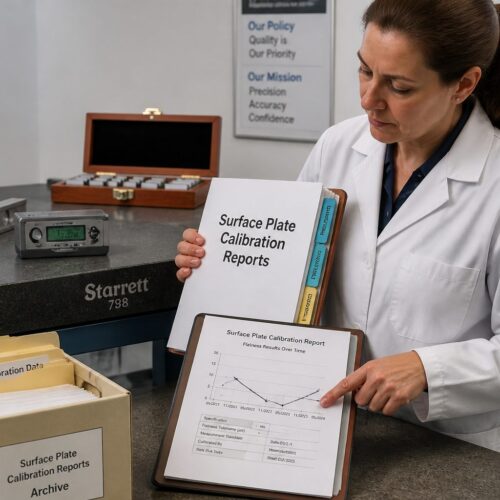
Your surface plate’s calibration history is a goldmine for optimizing its future surface plate calibration interval. Each calibration report provides a snapshot of the plate’s condition at a specific time. Analyzing these reports reveals wear trends invaluable for predicting future needs.
Look for patterns in how much the plate’s flatness degraded between successive calibrations. If a plate consistently shows minimal change over 12 months, you might extend its next interval. Conversely, if a plate frequently exceeds tolerance before its scheduled check, a shorter interval is necessary.
Pay attention to specific wear areas noted in reports, such as localized high spots or depressions. These often correlate with common measurement zones or heavy part placement. Understanding these patterns helps identify root causes and implement preventative measures, refining your risk based interval.
Documenting not just “pass” or “fail” but actual measurement data is critical for this analysis. Raw data allows you to quantify degradation rate, providing objective evidence for adjusting your schedule. Simply passing tells you nothing about how close it was to failing.
This historical data empowers a dynamic calibration program, not reliance on guesswork. It transforms your approach from reactive to proactive, ensuring optimal accuracy without unnecessary costs. A robust record-keeping system forms the foundation for this intelligent, data-driven strategy.
Setting Up Between-Calibration Checks to Reduce Risk
Implementing between calibration checks offers a smart, proactive strategy to reduce undetected surface plate degradation risks. These informal, in-house assessments do not replace formal calibration but provide an early warning system. They ensure your plate remains within acceptable limits between official service dates.
These checks prove valuable for high-use plates or those critical for tight-tolerance production. Catching issues early allows you to schedule professional calibration before major problems arise, minimizing downtime and scrap. This approach is a core component of a comprehensive risk based interval strategy.
- Regularly clean the surface plate thoroughly
- Perform a visual inspection for obvious damage
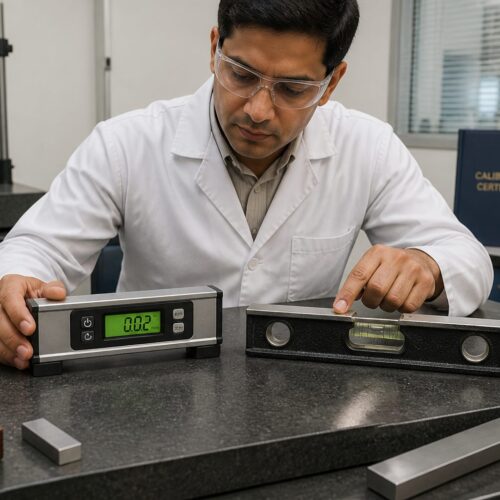
- Use a precision straight edge for a quick flatness check
- Employ a repeat reading test with a height gage
- Check for localized wear spots in common measurement areas
- Verify thermal stability before critical measurements
- Train operators on proper plate care and handling
Creating a Simple Interval Policy Your Team Can Follow
Developing a clear, easy-to-understand surface plate calibration interval policy is essential for successful implementation. Your team needs to know exactly what is expected, from daily cleaning to reporting any potential damage. A complex policy will likely be ignored, defeating its purpose.
Start by categorizing your surface plates based on usage intensity and criticality, perhaps using the categories outlined earlier. Assign an initial calibration frequency to each category, then explain the rationale. This fosters understanding and buy-in from your operators.
Clearly define responsibilities for daily care and between calibration checks. Specify who cleans, who performs basic checks, and who to notify if an issue is suspected. This prevents confusion and ensures accountability across your team.
Provide accessible documentation, perhaps laminated cards near each plate or a simple digital reference. This ensures policy details are always at hand, removing excuses for non-compliance. Make sure everyone understands the link between proper plate care and accurate measurements.
Regularly review and update your policy based on feedback, new equipment, or production changes. A living document remains relevant and effective, adapting as your shop evolves. This iterative process refines your overall usage based calibration strategy over time.
What to Do After a Move, Repair, or Shop Layout Change
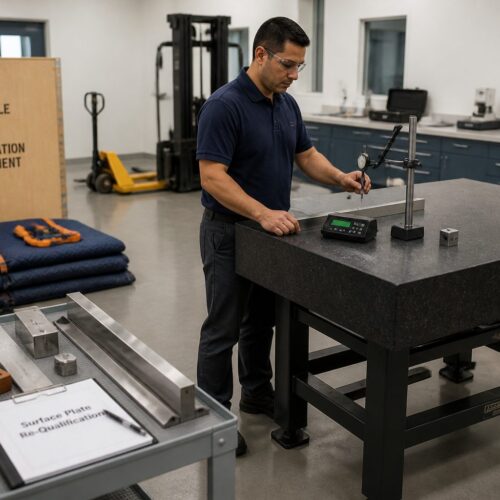
Any significant physical change to a surface plate or its environment demands re-evaluation of its calibration status, regardless of its scheduled surface plate calibration interval. Moving a heavy granite plate, even a short distance, can introduce internal stresses or alter its support. Never assume a plate retains accuracy after relocation.
After a move, always perform a full re-calibration before putting the plate back into service. This ensures any stresses induced during transport are identified and addressed, confirming the plate’s flatness and stability. Skipping this step is a recipe for compromised measurements and potential scrap.
If a surface plate undergoes any repair, such as lapping or resurfacing, it absolutely requires a full calibration afterward. The repair process fundamentally alters the plate’s geometry and surface characteristics. A post-repair calibration verifies the work’s success and re-establishes traceability.
Changes in your shop layout, even without moving the plate, can impact its environmental conditions. New nearby machinery might introduce vibrations, or altered airflow could affect temperature stability. Assess the new environment for potential impacts on plate performance and consider an interim check.
When in doubt, always err on the side of caution and opt for professional calibration. The cost of an unexpected calibration is always less than producing out-of-spec parts or dealing with customer rejections. This proactive approach supports a truly robust risk based interval strategy.
Tracking Trends: Turning Reports Into a Practical Timeline
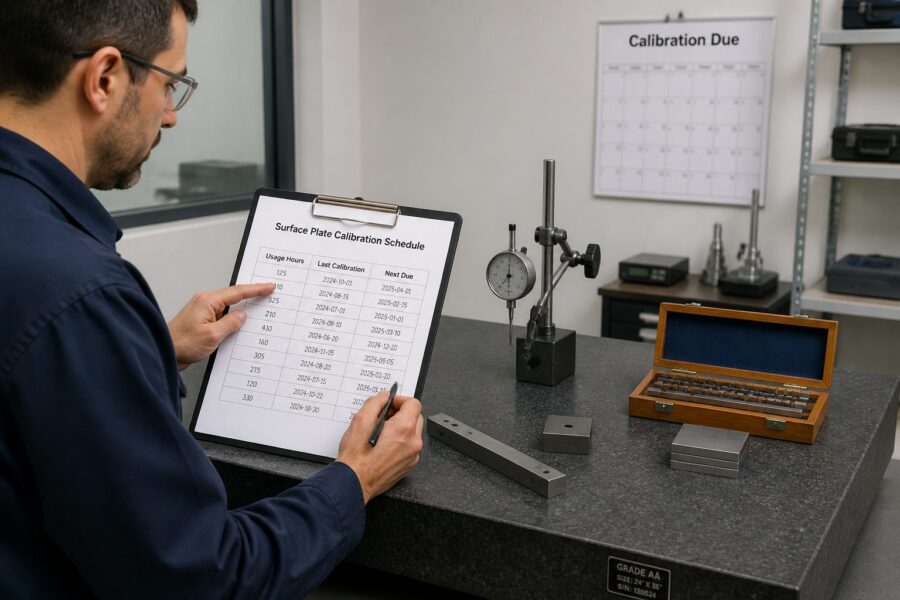
Effective management of your surface plates moves beyond individual calibration reports to systematic trend tracking. You need to transform raw data from each surface plate calibration interval into actionable insights. This means looking at the bigger picture over multiple calibration cycles.
Create a simple spreadsheet or use specialized software to log key metrics from every calibration, such as overall flatness deviation and localized wear measurements. Graphing this data over time for each plate reveals its unique degradation curve. This visual representation makes trends immediately apparent.
Identify plates that show rapid degradation versus those remaining stable for longer periods. This trend analysis directly informs your usage based calibration schedule, allowing you to fine-tune intervals for individual plates. It replaces assumptions with concrete evidence of performance.
Pay attention to specific areas on the plate that consistently show the most wear. This information indicates heavy use zones or areas where operators frequently place parts. You might then implement preventative measures like rotating measurement areas or using protective pads.
A well-maintained trend log helps anticipate when a plate might require resurfacing or replacement, allowing better budget planning. It also provides a strong audit trail, demonstrating your commitment to metrological accuracy. Turning reports into a practical timeline is an investment in long-term precision.
When to Adjust the Interval (and How Much)
Adjusting your surface plate calibration interval is a dynamic process driven by data and observation, not rigid adherence to a schedule. You should never be afraid to shorten or extend an interval if the evidence supports it. This flexibility is a hallmark of an intelligent calibration program.
Shorten an interval immediately if between calibration checks reveal significant deviations or if a plate is subjected to unusually heavy use. If you see visible damage, suspect a drop, or notice a sudden shift in environmental conditions, don’t wait for the next scheduled date. Prompt action preserves measurement integrity.
Conversely, consider extending an interval if historical data consistently shows a plate remaining well within tolerance over multiple calibration cycles. This demonstrates low wear and stable performance, justifying a longer period between formal checks. Always make extensions incrementally, perhaps by 2-3 months at a time.
Any adjustment to the surface plate calibration interval must be documented thoroughly, including the rationale behind the change. This creates a clear audit trail and ensures consistency in your metrology practices. Your risk based interval strategy needs transparent decision-making.
Involve your metrology team and experienced operators in these decisions; their practical insights are invaluable. They often have a keen sense of how a plate performs under daily conditions, supplementing objective data. This collaborative approach strengthens your overall calibration management system.
Conclusion
Optimizing your surface plate calibration interval is a critical component for maintaining precision in any manufacturing or inspection environment. Moving beyond arbitrary schedules to a data-driven, usage based calibration approach offers significant benefits. It ensures accuracy where it matters most, while controlling costs.
By considering factors like workload, part types, and environmental conditions, you can tailor calibration frequencies to each individual plate. This intelligent strategy provides a robust risk based interval for your entire inventory. It’s about being smart with resources and diligent with quality.
Remember that consistent between calibration checks and meticulous record-keeping are not optional; they are fundamental to this dynamic system. These practices empower you to make informed decisions about when your plates need professional service. They represent proactive quality assurance.
Embrace a flexible mindset, ready to adjust intervals based on performance trends and operational changes. Your surface plates are foundational tools, and their accuracy directly impacts your product quality. Invest in a calibration strategy that truly reflects their importance.
A well-managed surface plate calibration program is an investment in your company’s reputation and long-term success. It minimizes rework, reduces scrap, and builds confidence in your measurements. Start implementing these principles today and elevate your metrology standards.