
Precision measurement relies heavily on the quality and stability of your equipment, especially when it comes to granite surface plates. These foundational tools in metrology provide a true reference plane for inspecting components and calibrating instruments. However, even the most robust surface plate is vulnerable to external forces that can subtly compromise its accuracy.
Understanding the environmental impact surface plate calibration faces is not just about best practices; it is about safeguarding your entire quality process. Factors like temperature, humidity, and vibration are silent saboteurs, constantly working to introduce errors into your measurements. Ignoring these variables can lead to costly rework, rejected parts, and a damaged reputation for quality.
This article explores how various environmental conditions directly influence the reliability of surface plate measurements. We will look at specific challenges and offer practical strategies for maintaining the pristine conditions essential for high-precision metrology. Ultimately, a stable environment ensures your surface plate delivers the accuracy you expect, every single time.
The Subtle Yet Significant Influence of the Environment
Many people assume that a granite surface plate, due to its mass and inherent stability, remains unaffected by its surroundings. This assumption overlooks the microscopic interactions and material responses that occur constantly. Even small environmental shifts can introduce measurable inaccuracies, making precise work incredibly difficult.
The very nature of metrology demands an environment where variables are tightly controlled or at least thoroughly understood. Any fluctuation in ambient conditions can cause materials to expand, contract, or even warp, directly impacting the integrity of your reference plane. Ignoring these influences means your measurements are always an estimate, not a true reflection of reality.
Consider the cumulative effect of minor deviations over time; these tiny errors compound, leading to significant discrepancies in final product dimensions. This ripple effect extends throughout the manufacturing process, affecting fit, function, and ultimately, customer satisfaction. A stable environment is a prerequisite for reliable quality control, not just a luxury.
Metrology standards, such as ISO 17025, emphasize the importance of environmental control for a reason. Compliance with these standards requires careful consideration of the measurement lab’s conditions, proving their direct link to measurement uncertainty. Companies that prioritize environmental stability often see fewer rejections and more consistent product quality.
The long-term performance of your surface plate also depends on a controlled environment. Exposure to uncontrolled conditions can accelerate wear, cause material degradation, and necessitate more frequent and costly recalibrations. Investing in environmental management protects your equipment and ensures its longevity as a precision tool.
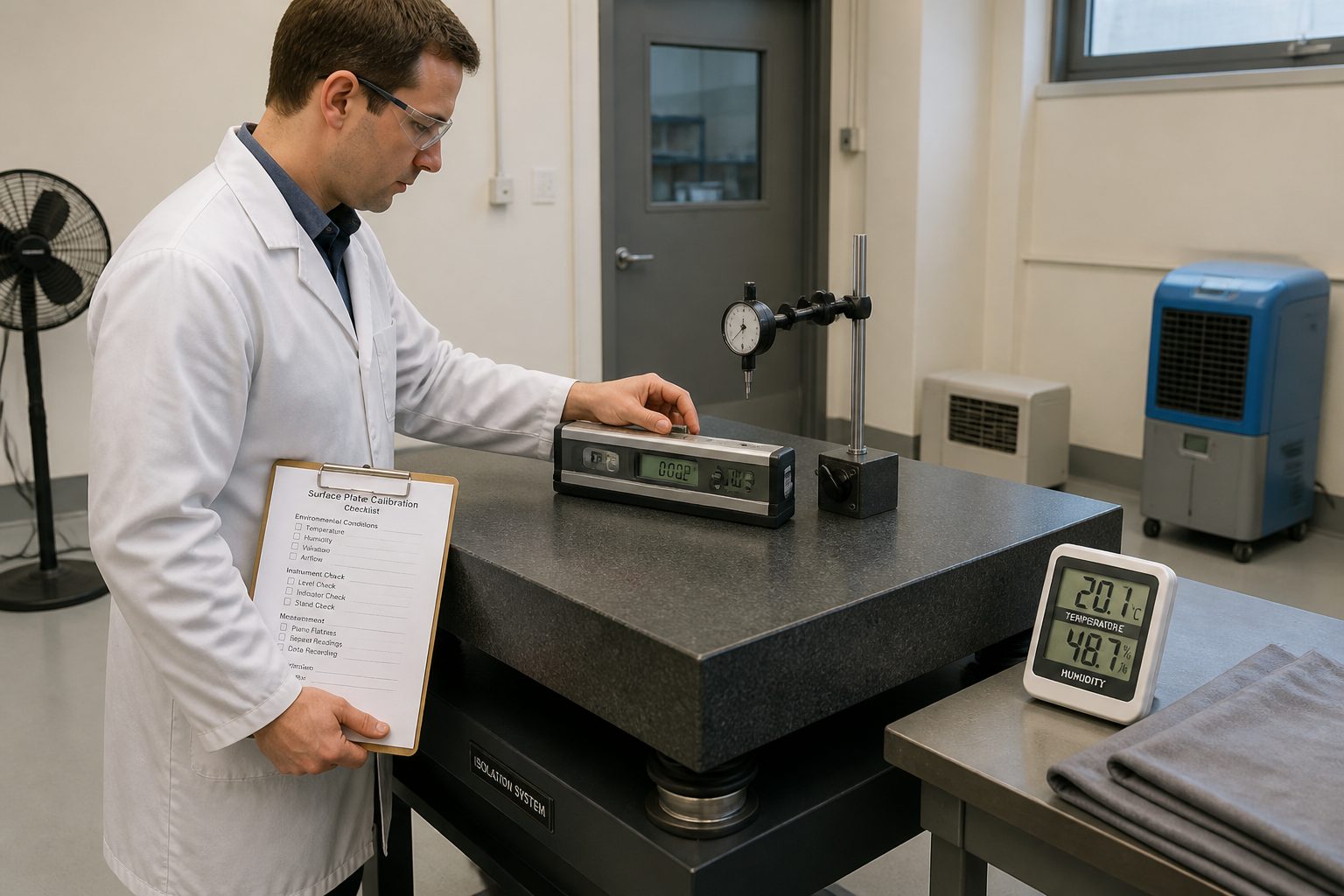
Temperature Fluctuations: Beyond the Obvious Challenges
Temperature is perhaps the most widely recognized environmental factor affecting precision measurements, but its full impact often goes underestimated. Materials expand and contract with temperature changes, following their coefficient of thermal expansion. Even a small shift of a few degrees can cause granite, steel, or aluminum to change size enough to invalidate a measurement.
The problem is not just the uniform expansion of the surface plate itself; it also involves the parts being measured and the instruments used for measurement. When these items are at different temperatures, they will expand or contract at different rates, introducing thermal gradients and measurement errors. Achieving thermal equilibrium among all components is a constant battle in a metrology lab.
| Material | Coefficient of Thermal Expansion (µm/m/°C) | Effect of 1°C Temp Change on 1 Meter Length |
|---|---|---|
| Granite (Black) | 6.0 – 7.0 | 6.0 – 7.0 µm |
| Steel | 10.0 – 13.0 | 10.0 – 13.0 µm |
| Aluminum | 23.0 – 24.0 | 23.0 – 24.0 µm |
| Glass (Borosilicate) | 3.3 – 4.0 | 3.3 – 4.0 µm |
The Critical Role of Humidity in Metrology Labs
Humidity often receives less attention than temperature, but its impact on precision metrology is just as significant. High humidity levels can lead to corrosion on metallic components of measurement instruments and gauge blocks. This corrosion forms microscopic layers that alter the true dimensions of these critical tools, introducing errors into every reading.
Beyond corrosion, excessive moisture can also form a thin film on the surface of gauge blocks and other highly polished standards. This invisible layer acts as a spacer, adding an imperceptible but measurable thickness to the reference surfaces. This phenomenon directly affects the accuracy of contact measurements, which rely on direct surface-to-surface interaction.
The primary keyword, environmental impact surface plate calibration, certainly applies to humidity. Granite surface plates themselves are somewhat porous, and while they do not rust, prolonged exposure to high humidity can affect their stability. Moisture absorption can lead to subtle changes in the granite’s internal structure, potentially causing minute warpage or affecting the wringing properties of gauge blocks.
Low humidity also presents its own set of challenges, particularly related to static electricity. Electrostatic charges can attract dust and debris to measurement surfaces, contaminating them and interfering with precise contact measurements. This static can also affect delicate electronic instruments, causing erratic readings or even damage.
Effective humidity control metrology practices are essential for maintaining the integrity of all your precision equipment. Maintaining a stable relative humidity, typically between 40% and 60%, helps prevent both corrosion and static buildup. This careful balance ensures that your instruments and standards remain in optimal condition for accurate work.
The ideal humidity range also helps preserve the calibration certificates and other paper documentation that are often stored in metrology labs. Extreme humidity can cause paper to warp or degrade, making it difficult to maintain proper records. A comprehensive approach to environmental control includes protecting all aspects of the metrology operation.
Minimizing Vibration Interference for Stable Measurements
Vibration is an insidious enemy of precision measurement, often overlooked because its effects are not always immediately visible. Even microscopic vibrations, imperceptible to human senses, can cause significant errors in sensitive metrology applications. These subtle movements can disturb the delicate contact between measuring instruments and the workpiece, leading to unstable readings.
Sources of vibration are ubiquitous in industrial environments; they include nearby machinery, heavy vehicle traffic outside the facility, and even the building’s own HVAC system. These vibrations travel through the floor and into the surface plate, causing the measuring setup to oscillate. This movement prevents the instruments from settling into a stable position for an accurate reading.
The impact of vibration is particularly severe for instruments that rely on optical principles, such as interferometers, or those with high magnification. Any slight movement of the optical path or the workpiece under inspection will blur the image or shift the measurement point. This makes it impossible to achieve the required level of accuracy for critical applications.
Effective vibration isolation strategies are therefore indispensable in any high-precision metrology lab. This often involves placing surface plates and sensitive instruments on specialized anti-vibration tables or pads. These systems are designed to absorb and dampen external oscillations, creating a stable platform for measurements.
Beyond physical isolation, the location of the metrology lab within a facility also plays a role in minimizing vibration interference. Placing it away from heavy machinery, loading docks, and high-traffic areas can significantly reduce the ambient vibration levels. Thoughtful facility planning contributes greatly to the overall stability of the measurement environment.
Even the way equipment is handled can induce vibrations; careful placement of workpieces and gentle operation of measuring devices are important. Training personnel to work deliberately and smoothly helps reduce self-generated vibrations that can impact precision. A comprehensive approach addresses both external and internal sources of movement.
Understanding Air Pressure’s Effects on Precision
Air pressure effects are less commonly discussed than temperature or humidity, but they still play a role in certain high-precision metrology applications. While most mechanical measurements on a surface plate are unaffected by normal atmospheric pressure fluctuations, some specialized techniques and instruments are quite sensitive. Understanding these subtle influences prevents unexpected measurement discrepancies.
For example, air bearings, which are common in advanced metrology instruments like CMMs, rely on a cushion of air to provide frictionless movement. Changes in ambient air pressure can subtly affect the lift and stiffness of these bearings, potentially altering the instrument’s performance. Interferometric measurements, which use light waves, also require accurate knowledge of air density.
- Influences interferometry path length calculations
- Affects air bearing lift and stability
- Impacts precise mass measurements (buoyancy correction)
- Changes air density, affecting refractive index
- Can influence pneumatic gauge readings
Cleanliness and Dust Control: Protecting Your Measurement Environment
Maintaining an impeccably clean environment is fundamental to precision metrology, yet it is often underestimated in its overall impact. Dust, dirt, and microscopic debris are ubiquitous, and they pose a direct threat to the accuracy of any measurement performed on a granite surface plate. These particles can easily get trapped between the workpiece and the surface plate, introducing errors.
When a piece of dust sits under a gauge block or workpiece, it creates a small, unintended gap, leading to an incorrect reading. This is particularly problematic for measurements that rely on direct contact or the wringing phenomenon. Even a single speck of dust, invisible to the naked eye, can be larger than the tolerance allowed for a high-precision component.
Beyond direct interference, contaminants can also damage the delicate surfaces of your precision instruments and the surface plate itself. Abrasive particles can scratch polished surfaces, degrading their flatness and integrity over time. This wear reduces the lifespan of expensive equipment and necessitates costly repairs or replacements.
Implementing strict cleanliness protocols is a non-negotiable aspect of managing the environmental impact surface plate calibration requires. This includes regular cleaning of the surface plate with appropriate cleaning agents, using lint-free cloths, and keeping workpieces clean before placing them on the plate. Proper cleaning extends the life of your equipment and maintains measurement accuracy.
Air quality control, often through HEPA filtration systems, helps minimize airborne particulate matter in the metrology lab. Restricting food and drink, prohibiting smoking, and requiring cleanroom attire in some cases further reduces the introduction of contaminants. These measures create a controlled atmosphere where precision measurements can thrive.
Proper storage of instruments and standards when not in use also prevents contamination. Keeping gauge blocks in their cases and covering surface plates protects them from settling dust and environmental exposure. A proactive approach to cleanliness prevents problems before they can affect measurements or damage equipment.
The Impact of Lighting on Visual Inspections and Readings
Lighting conditions, while not directly altering the physical dimensions of a surface plate, play a significant role in the accuracy of visual inspections and manual readings. Poor lighting can lead to eye strain, fatigue, and misinterpretation of scale markings or surface features. This human factor introduces variability and potential errors into the measurement process.
Glare from overhead lights reflecting off polished surfaces can obscure critical details or make it difficult to read instrument scales accurately. Shadows cast by the operator or the equipment itself can also hide defects or measurement points. Optimal lighting ensures that operators can clearly see what they are measuring without visual interference.
For surface plates, proper illumination is particularly important when checking for surface imperfections, wear patterns, or the effectiveness of wringing. A well-lit surface allows for clear visual assessment of the granite’s condition and the proper seating of gauge blocks. Inadequate lighting can mask these important visual cues.
The type and intensity of lighting also matter; diffuse, even illumination is generally preferred over harsh, direct light sources. This minimizes glare and ensures uniform brightness across the entire measurement area. Some metrology tasks may even benefit from specialized lighting, such as backlighting for optical comparators or specific color temperatures for material inspection.
Positioning of light sources is also a key consideration. Lights should be placed to avoid casting shadows on the workpiece or the instrument’s display. Adjustable lighting options can allow operators to fine-tune illumination for different tasks and individual preferences, reducing strain and improving focus.
Investing in proper lighting is a relatively small cost compared to the potential errors and rework that poor visibility can cause. It directly supports the operator’s ability to perform precise work consistently. Good lighting is an often-overlooked but crucial component of a controlled metrology environment.
Strategies for Creating a Stable Metrology Environment
Establishing and maintaining a stable metrology environment requires a multi-faceted approach, moving beyond simple temperature control. It involves thoughtful facility design, appropriate equipment, and consistent operational protocols. The goal is to isolate the measurement area as much as possible from external disturbances, ensuring reliable data.
Dedicated metrology labs, separate from the main production floor, offer the best solution for environmental control. These labs can be designed with features like double-wall construction, insulated ceilings, and specialized flooring to minimize thermal transfer and vibration transmission. Such isolation creates a consistent microclimate for precision work.
Advanced HVAC systems are essential for maintaining tight control over both temperature and humidity. These systems often feature multiple zones, precise sensors, and continuous air circulation to prevent thermal gradients and ensure uniform conditions. Proper air filtration is also integrated to manage cleanliness and particle counts.
Implementing active and passive vibration isolation systems for surface plates and sensitive instruments is another critical strategy. Passive systems, like pneumatic isolators, absorb vibrations through air springs, while active systems use sensors and actuators to counteract incoming vibrations. Choosing the right system depends on the specific vibration profile of your location.
Careful planning of workflow and equipment layout within the lab helps minimize self-generated environmental disturbances. Placing heat-generating equipment away from measurement stations and ensuring adequate space for air circulation are simple yet effective steps. These considerations contribute to the overall stability of the measurement space.
Regular maintenance of all environmental control systems is non-negotiable. Filters need changing, sensors require calibration, and HVAC units demand servicing to ensure they perform optimally. Neglecting these systems compromises the stability of the entire metrology lab, undoing all initial efforts.
Monitoring and Documenting Environmental Conditions
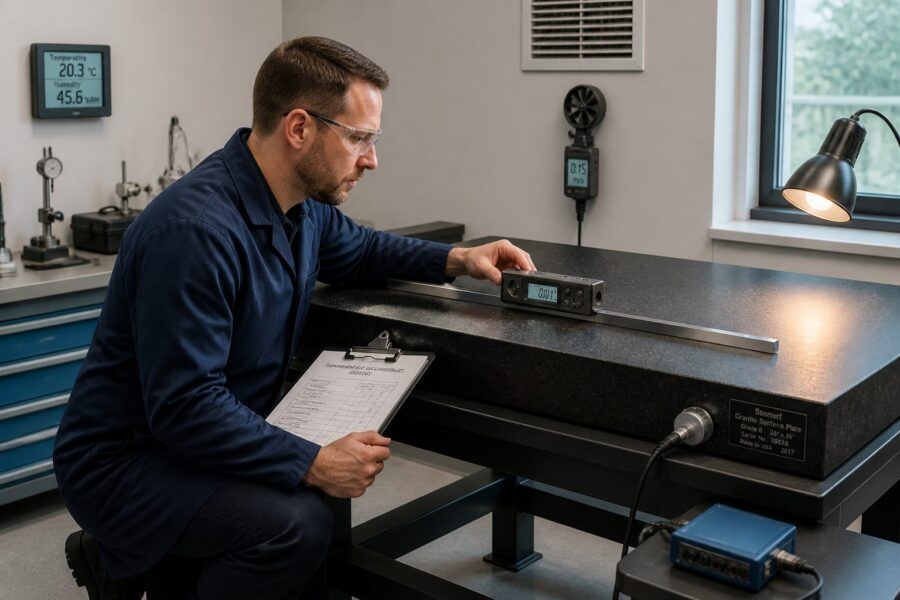
Creating a stable environment is only half the battle; continuously monitoring and meticulously documenting its conditions is just as important. This ongoing process provides objective evidence that the environment meets the required specifications for precision measurements. Without this data, you cannot confidently assert the reliability of your calibrations.
Data logging systems for temperature, humidity, and even vibration are indispensable tools in a modern metrology lab. These systems record conditions at regular intervals, providing a historical record that can be analyzed for trends, anomalies, and compliance. This data is crucial for troubleshooting measurement issues and demonstrating due diligence.
Regular calibration of environmental sensors ensures the accuracy of the logged data. Just like any other measurement instrument, thermometers, hygrometers, and accelerometers require periodic checks against traceable standards. Inaccurate sensors provide misleading information, making effective environmental control impossible.
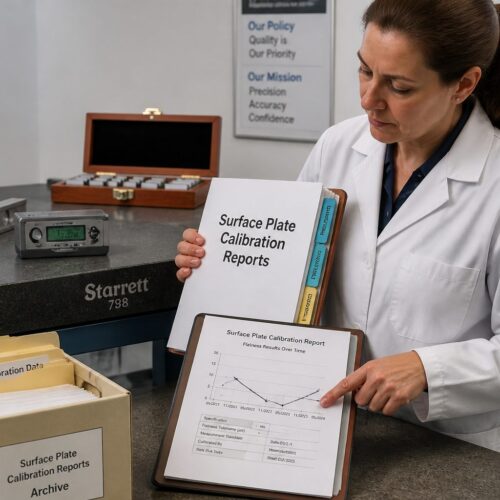
The documented environmental conditions become an integral part of the calibration record for surface plates and other instruments. When a surface plate is calibrated, the environmental parameters at the time of calibration are recorded on the certificate. This information is vital for understanding the conditions under which the reported accuracy was achieved.
Analyzing long-term trends in environmental data can reveal patterns or seasonal variations that might otherwise go unnoticed. This insight allows for proactive adjustments to HVAC settings or operational procedures, preventing potential issues before they impact measurement quality. Continuous analysis is a powerful tool for environmental management.
Compliance with industry standards like ISO 17025 often mandates specific environmental monitoring and documentation requirements. Maintaining clear, accessible records demonstrates adherence to these standards, which is essential for accreditation and maintaining customer trust. Robust documentation supports the entire quality management system.
Practical Steps to Control Environmental Variables
Implementing effective environmental control does not always require a complete overhaul of your facility; many practical steps can be taken to improve conditions. These actions focus on minimizing external influences and creating a more stable microclimate around your critical measurement equipment. Proactive management of these variables significantly improves measurement reliability.
One immediate step is to ensure proper conditioning of workpieces and instruments. Allow them to stabilize at the lab’s ambient temperature for several hours before measurement, especially after transport from a different environment. This thermal soaking helps prevent errors caused by temperature gradients between the workpiece and the surface plate.
Invest in high-quality anti-vibration pads or tables for your surface plates and sensitive instruments. These relatively simple additions can dramatically reduce the transmission of floor vibrations. Even basic rubber isolators can make a noticeable difference in many industrial settings, providing a more stable foundation for your work.
Regularly clean your surface plate and all associated measurement tools with appropriate, lint-free materials. Establish a strict cleaning protocol, ensuring that all surfaces are free from dust, oil, and debris before any measurement takes place. This prevents physical interference and helps preserve the integrity of your equipment.
Utilize dehumidifiers or humidifiers as needed to maintain the target relative humidity range within your metrology lab. Monitoring humidity levels with a calibrated hygrometer will guide these adjustments. Consistent humidity control prevents rust, corrosion, and the formation of moisture films on precision surfaces.
Position your surface plate and other critical equipment away from direct sunlight, air conditioning vents, and heat-generating machinery. These locations are prone to rapid temperature fluctuations and thermal gradients, which directly impact measurement stability. Strategic placement helps create a more consistent local environment.
Consider implementing basic air filtration systems, such as portable HEPA filters, if a full cleanroom environment is not feasible. These units can help reduce airborne particulate matter, contributing to a cleaner measurement surface. Any reduction in dust improves the accuracy of contact measurements and protects sensitive equipment.
Conclusion
The pursuit of precision in metrology demands constant vigilance over the environment where measurements occur. We have seen how temperature, humidity, vibration, air pressure, cleanliness, and lighting all exert their own unique environmental impact surface plate calibration accuracy. Ignoring these factors means accepting a level of uncertainty that no serious quality professional wants.
A granite surface plate is a highly precise tool, but its performance is intrinsically linked to its surroundings. Just as you would meticulously care for the plate itself, you must extend that same care to its operational environment. This holistic approach ensures that your foundational reference plane remains true and reliable for every task.
Implementing robust environmental controls, from advanced HVAC systems to simple dust protocols, is an investment that pays dividends in accuracy, consistency, and reduced rework. Proactive management of these variables minimizes measurement errors and enhances the overall quality of your products. It reflects a commitment to excellence in every aspect of your operations.
Regular monitoring and meticulous documentation of environmental conditions provide the objective data needed to confirm compliance and troubleshoot issues. This data is not just for audits; it is a powerful tool for continuous improvement, allowing you to fine-tune your lab for optimal performance. Knowledge of your environment empowers better decision-making.
Ultimately, a stable and controlled metrology environment is the bedrock upon which all high-precision measurements are built. By understanding and actively managing these subtle yet significant influences, you ensure that your granite surface plate delivers the unwavering accuracy essential for modern manufacturing. This dedication to environmental control elevates the reliability of your entire quality assurance process.
Your commitment to environmental stability directly translates into fewer rejections, improved product quality, and greater confidence in your measurement results. This proactive stance on metrology lab conditions sets a high standard for precision. It is the mark of a truly professional and reliable calibration operation.
Embracing these practices means you are not just taking measurements; you are building a foundation of trust and verifiable accuracy. It is about removing as many variables as possible from the equation, leaving you with reliable data you can stake your reputation on. That level of certainty is invaluable in today’s competitive landscape.