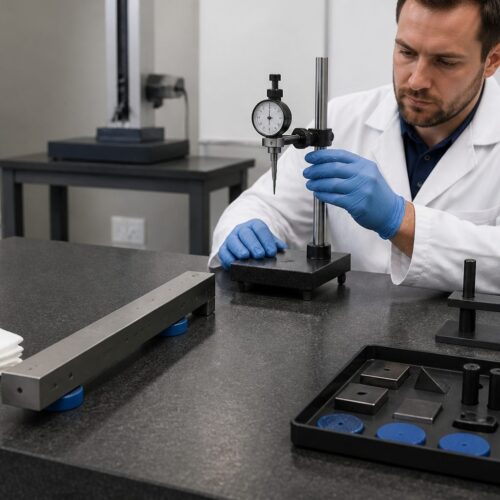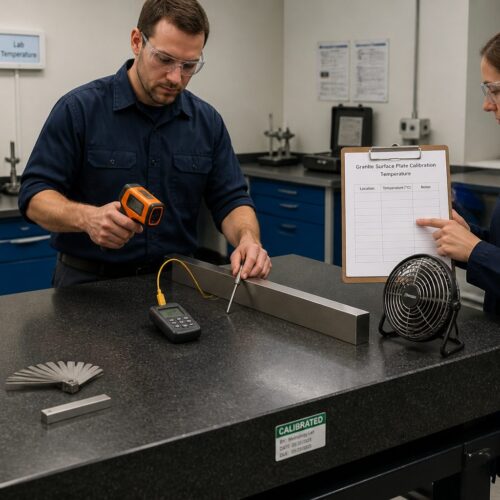

Precision measurement relies heavily on the integrity of your surface plate, which acts as the foundational reference plane for countless inspection tasks. Any damage to this critical piece of equipment can compromise accuracy and lead to costly rework or scrapped parts. Protecting your investment, especially the vulnerable edges and corners, should be a top priority for any metrology lab or manufacturing facility.
Ignoring proper surface plate edge protection can result in chipped granite, which then requires expensive repair or even plate replacement. This article explores practical strategies and best practices to safeguard your surface plate from common forms of damage. We will focus on proactive measures and careful handling practices to extend the life and maintain the accuracy of your granite calibration standards.
Implementing effective impact prevention techniques ensures that your measurement results remain trustworthy and consistent. By understanding the risks and adopting simple preventative steps, you can avoid unexpected costs and maintain peak operational efficiency in your precision work. Proper care directly translates to reliable measurements and a longer lifespan for your crucial metrology equipment.
Why edges and corners are the highest-risk areas
Surface plates are incredibly durable, but their edges and corners present unique vulnerabilities to impact and chipping. The concentrated stress from an accidental bump or dropped object can easily cause granite to fracture in these areas. Unlike the broad, flat surface, corners lack the mass to absorb energy effectively.
A chip on an edge or corner compromises the overall flatness and squareness of the plate, even if it seems minor. This damage can then propagate further into the working surface, creating an unstable reference point for measurements. Even small imperfections can throw off critical readings.
The edges are also where tools, parts, and personnel frequently interact with the surface plate. This constant proximity increases the likelihood of accidental contact compared to the center of the plate. Gravity is not your friend when heavy items are being moved near the plate’s perimeter.
Any impact to a corner creates a stress riser, making that area more susceptible to future damage from even lighter forces. This means one small chip can lead to a cascade of problems if not addressed or prevented. Think of it as a domino effect that can quickly degrade your precision equipment.
Protecting these areas is not just about aesthetics; it is about preserving the functional integrity of your primary metrology reference. A damaged edge can prevent accurate squareness checks or proper seating of fixtures. Reliable measurements depend on a pristine surface plate.
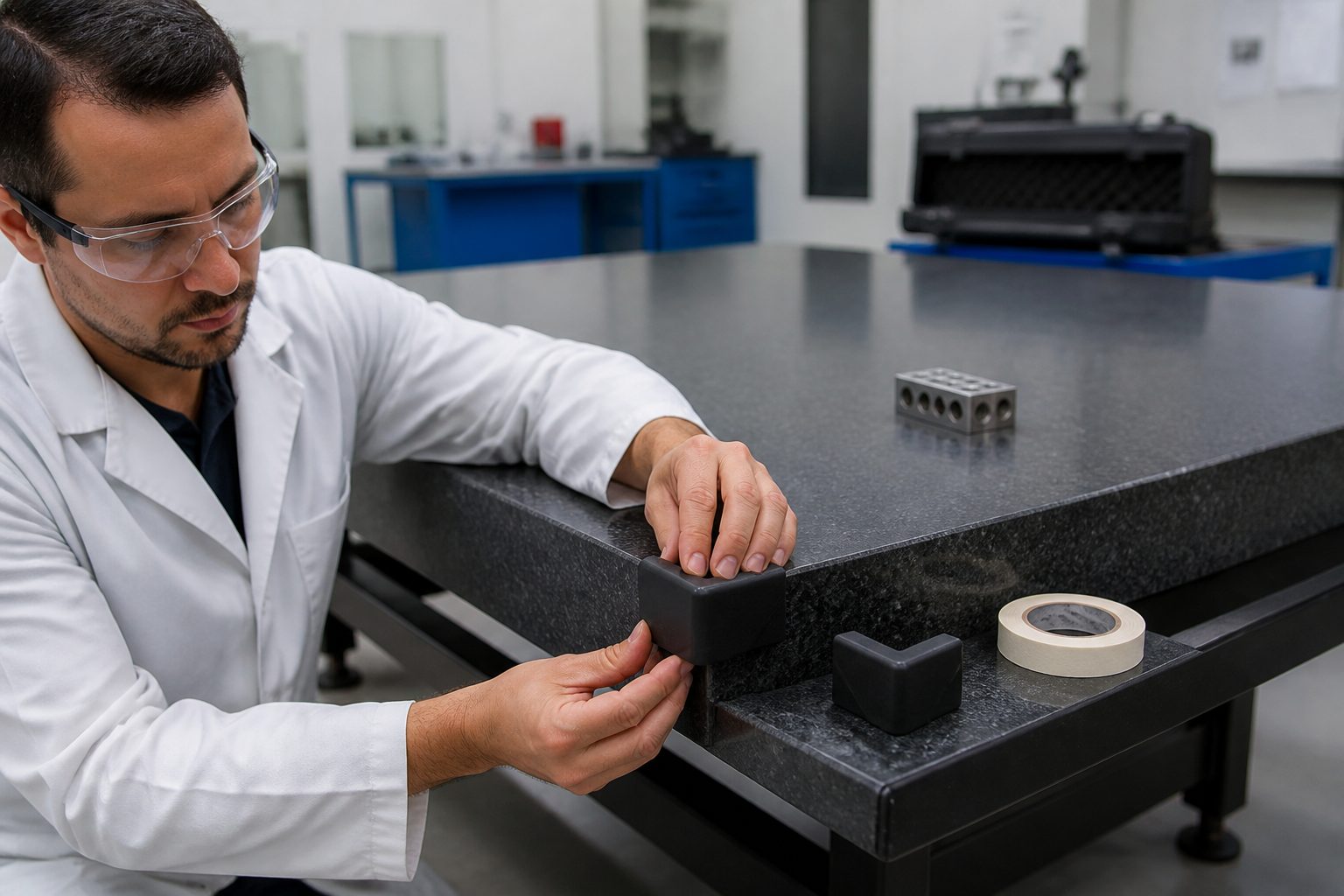
Investing in good surface plate edge protection is a small cost compared to the expense of regrinding or replacing a damaged plate. Proactive measures save significant money and downtime in the long run. Focus on preventing contact in the first place.
Understanding these inherent risks helps us develop better strategies for handling and protecting these valuable assets. Ignoring these vulnerable points is a recipe for expensive repairs and compromised data. Every operator should recognize the fragility of these areas.
Common causes of edge damage in daily use
Many seemingly minor incidents contribute to edge damage over time, often stemming from routine daily operations. One frequent culprit is carelessly placing tools or gauges too close to the edge, allowing them to slip and strike the granite. Even a small impact from a hardened steel gauge block can create a chip.
Another common cause involves operators bumping the plate with their bodies, tool belts, or mobile equipment while moving around the workspace. A momentary lapse in attention can result in an unexpected collision that impacts the surface plate edge protection. These small bumps accumulate and weaken the granite over time.
Moving parts on and off the plate poses a significant risk, especially when components are heavy, sharp-edged, or awkwardly shaped. Dragging a part across the edge instead of lifting it clear can easily cause scratching or chipping. Proper handling practices are essential here.
The use of overhead cranes, lift trucks, or carts near the plate introduces another layer of risk if not carefully managed. A swinging load or a misjudged turn can lead to a severe impact, particularly on the corners. Always maintain a safe distance and slow approach when using such equipment.
Accidental drops of items like micrometers, calipers, or even small fixtures directly onto the edge are surprisingly common. While these might seem minor, the concentrated force on a sharp edge can be enough to create a noticeable chip. Implement clear zones and storage for tools.
Poor housekeeping, such as leaving debris or tools near the plate’s perimeter, increases the chances of an item being knocked into the granite. A clean and organized workspace is a fundamental aspect of effective surface plate edge protection. Maintain order around the plate at all times.
Finally, improper cleaning techniques, like using abrasive pads or harsh chemicals that degrade the granite’s surface, can weaken the edges over time. Always follow manufacturer guidelines for cleaning and maintenance. Use only approved cleaning solutions and soft cloths.
Choosing practical edge and corner protection options
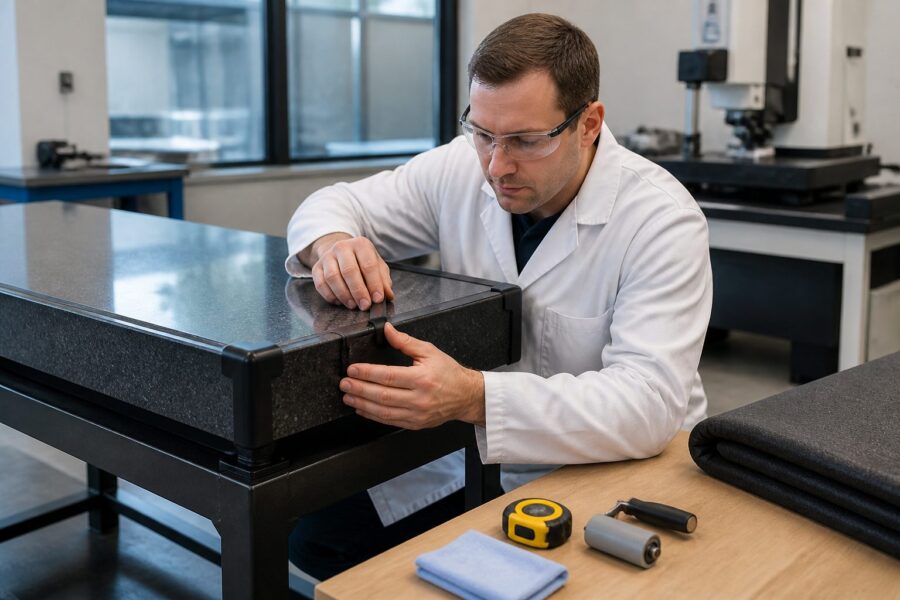
Selecting the right corner guards and edge protection for your surface plate is an important step in preventing damage. There are various solutions available, each offering different levels of protection and ease of installation. Consider the specific environment and typical operations when making your choice.
The best options provide a physical barrier that absorbs impact without interfering with the plate’s functionality or measurement accuracy. These solutions help to distribute force and prevent direct contact with the granite itself. Proper selection prevents costly repairs down the line.
| Protection Type | Material | Key Benefits |
|---|---|---|
| Silicone Corner Guards | Soft Silicone Rubber | Easy to install, good for light impacts, flexible, non-abrasive. |
| Polyurethane Edge Strips | Durable Polyurethane | Excellent abrasion resistance, moderate impact absorption, customizable lengths. |
| High-Density Foam Bumpers | Closed-Cell Foam | Superior cushioning for heavy impacts, often self-adhesive, visible. |
| Hardened Plastic Covers | ABS or PVC Plastic | Rigid barrier against bumps, good for heavy traffic areas, removable. |
| Custom Fabricated Metal Rails | Aluminum or Steel | Maximum protection, permanent installation, ideal for high-risk zones. |
Protecting edges during part loading and unloading
Loading and unloading parts onto a surface plate represents a high-risk activity for edge damage, especially with heavy or irregularly shaped components. Developing precise handling practices is essential to avoid chips and scratches. Never drag parts across the plate’s edges.
Always lift components completely clear of the surface plate before moving them onto or off the working area. Even a slight scrape can compromise the plate’s flatness and integrity. Use both hands or appropriate lifting aids for heavier items.
For particularly heavy or awkward parts, consider using a staging area next to the surface plate at the same height. This allows for a smooth, controlled slide from the staging table to the plate, minimizing the risk of dropping or bumping edges. This also reduces strain on operators.
Implement designated “safe zones” around the plate where parts are temporarily placed before final positioning. These zones should be free of other tools or obstructions that could cause a collision during movement. Clear pathways are critical for impact prevention.
Train all personnel on proper lifting and placement techniques specific to the types of parts they handle. Emphasize the importance of slow, deliberate movements and clear communication during team lifts. Consistent training reinforces good habits.
Utilize soft mats or protective padding on adjacent workbenches or carts if parts must be transferred from a slightly lower height. This provides a forgiving surface if a part accidentally slips or is set down too quickly near the edge. These simple additions offer a buffer.
For parts with sharp corners or burrs, ensure they are deburred or handled with extra caution to prevent direct contact with the granite edges. Even a small, sharp point can inflict significant damage. Inspect parts before placing them on the surface plate.
Safe use of carts, hoists, and lift tables near the plate
The movement of heavy equipment like carts, hoists, and lift tables around a surface plate poses a substantial risk to its edges and corners. Establishing clear procedures and maintaining strict adherence to safety protocols is paramount for effective impact prevention. Always approach the plate slowly and with caution.
Designate specific travel paths for mobile equipment that keep it a safe distance from the surface plate. Use floor markings or safety tape to delineate these no-go zones. This visual reminder helps operators maintain a safe clearance.
When using overhead hoists, ensure loads are securely fastened and balanced before lifting or traversing near the plate. Any swinging or uncontrolled movement of a suspended load can lead to catastrophic damage if it strikes the granite. A spotter can be invaluable during these operations.
For lift tables or mobile carts, equip them with soft, non-marring bumpers or corner guards to absorb any accidental contact. These simple additions act as a first line of defense against direct impact. Regular inspection of these bumpers ensures their effectiveness.
Train all operators of material handling equipment on the specific risks associated with working near precision metrology equipment. Emphasize the importance of slow speeds, clear lines of sight, and constant awareness of the plate’s location. This specialized training helps prevent accidents.
Consider installing physical barriers, such as stanchions with retractable belts or temporary guardrails, around the surface plate during periods of high traffic or heavy lifting. These temporary measures provide an additional layer of surface plate edge protection. They serve as a clear warning to maintain distance.
Regularly check the wheels and steering mechanisms of carts and lift tables to ensure they operate smoothly and predictably. Worn-out components can lead to erratic movements, increasing the chance of an accidental bump. Preventative maintenance on all equipment is key.
Managing heavy fixtures and awkward shapes
Working with heavy fixtures and parts that have awkward shapes presents unique challenges for surface plate edge protection. These items are inherently more difficult to handle safely and carry a greater risk of causing damage if mishandled. Special attention is required for these challenging components.
Never slide heavy fixtures across the plate’s surface or edges without lifting them first. The weight combined with any sharp edges can easily gouge or chip the granite. Always lift and place them with care and precision.
- Use dedicated lifting points on fixtures
- Employ vacuum lifters for flat, heavy parts
- Design custom jigs for awkward shapes
- Utilize soft slings or padded straps with hoists
- Ensure fixtures have smooth, deburred bases
- Train operators on fixture-specific handling
- Implement two-person lifts for large items
Setting up buffer zones and physical barriers
Establishing clear buffer zones and installing physical barriers around your surface plate is an incredibly effective strategy for impact prevention. These measures create a protective perimeter, reducing the likelihood of accidental contact with the granite edges. Visual cues are just as important as physical ones.
Use highly visible floor markings, such as yellow or black-and-yellow striped tape, to define a “no-go” zone around the entire surface plate. This designated area should be kept clear of all personnel and equipment not actively involved in measurements. This visual boundary helps reinforce safe distances.
Install permanent or semi-permanent guardrails or stanchions with retractable belts around the plate, particularly in high-traffic areas. These barriers provide a physical deterrent against accidental bumps from carts, lift trucks, or even distracted personnel. They act as a solid line of defense.
Consider placing durable, cushioned floor mats around the immediate perimeter of the surface plate. While not a direct barrier, these mats can provide some impact absorption if a tool or small part is accidentally dropped near the edge. They also offer ergonomic benefits for operators.
Ensure that adjacent workbenches or storage racks are positioned far enough away to prevent items from falling or being knocked onto the surface plate. Maintain adequate clearance to allow for comfortable movement without risk of collision. Strategic layout is key to surface plate edge protection.
For larger surface plates or those in busy production environments, a dedicated enclosure or room can provide the ultimate level of protection. This isolates the plate from general shop traffic and environmental factors that could lead to damage. While a larger investment, it guarantees maximum safety.
Regularly inspect these buffer zones and barriers to ensure they remain intact and effective. Damaged tape, broken stanchions, or missing corner guards compromise the entire protection strategy. Consistent maintenance is crucial for ongoing safety.
What to do immediately after a corner impact
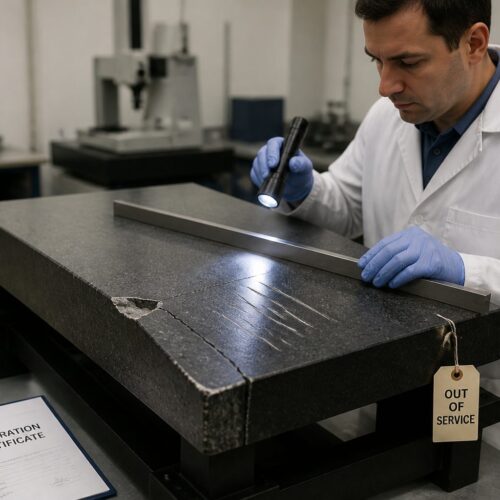
Despite all preventative measures, accidents can still happen, and a corner impact to your surface plate requires immediate and precise action. Your rapid response can determine the extent of further damage and the potential for successful repair. Do not delay in assessing the situation.
First, immediately stop all work on the surface plate and clear away any tools or parts. Visually inspect the impacted area closely, looking for chips, cracks, or any visible signs of structural compromise. Take clear photographs of the damage from multiple angles for documentation.
Do not attempt to continue using the plate for precision measurements, even if the damage seems minor. A small chip can still affect the reference plane’s integrity and lead to inaccurate results. Compromised measurements are worse than no measurements.
Report the incident to your supervisor or the designated metrology manager immediately, providing all details and photographic evidence. A formal reporting process ensures that the incident is documented and proper repair procedures can be initiated. Transparency is essential for effective damage control.
Isolate the damaged surface plate by placing a clear “DO NOT USE” sign on it and, if possible, covering the affected area. This prevents further accidental damage and ensures no one unknowingly attempts to use a compromised reference. Safety first is always the rule.
Contact a professional surface plate calibration and repair service as soon as possible. They possess the expertise and specialized equipment to assess the damage accurately and recommend the best course of action, which might include regrinding or repair. Attempting DIY repairs risks making the problem worse.
While awaiting professional assessment, refrain from any attempts to clean or “fix” the chipped area yourself. Improper handling can worsen the damage and make professional repair more difficult or even impossible. Leave it to the experts to handle the granite calibration standards.
Tracking incidents to find the real root cause
Simply repairing damage without understanding its root cause is a missed opportunity for long-term impact prevention. A robust incident tracking system helps identify patterns, common culprits, and areas where handling practices need improvement. This data-driven approach strengthens your surface plate edge protection strategy.
Establish a formal incident report form that documents key details such as the date, time, location of impact, equipment involved, and a description of the event. Include a section for operator input and suggestions for preventative measures. Comprehensive reporting provides valuable insights.
Regularly review incident reports to identify recurring themes, such as specific types of equipment, particular shifts, or certain tasks that frequently lead to damage. This analysis helps pinpoint systemic issues rather than just treating symptoms. Look for the underlying problems.
Conduct a thorough root cause analysis for each significant incident, involving the personnel directly involved. Ask “why” multiple times to dig beyond the immediate cause and uncover the fundamental reasons for the failure in surface plate edge protection. This investigative approach is very effective.
Use the data from incident tracking to update training programs, modify standard operating procedures, or implement new physical barriers. For example, if lift tables are frequently involved, perhaps additional corner guards are needed on the tables themselves. Let the data guide your improvements.
Share findings from incident analyses with the entire team to raise awareness and reinforce the importance of careful handling practices. Learning from past mistakes helps prevent future occurrences and fosters a culture of safety. Everyone benefits from shared knowledge.
Track the costs associated with repairs and downtime resulting from damage. Presenting these figures can help justify investments in better protection, improved equipment, or more extensive training programs. Financial impact often motivates change more effectively.
Building a culture of careful handling without slowing work
Creating a culture of careful handling for surface plates does not mean slowing down work; it means integrating safety and precision into every task. The goal is to make good handling practices an intuitive part of the workflow, not an additional burden. Efficiency and safety can coexist.
Start with comprehensive and ongoing training for all personnel who interact with surface plates, from new hires to experienced operators. Emphasize the value of the equipment and the direct impact of damage on measurement quality and operational costs. Understanding the “why” fosters compliance.
Empower employees to speak up when they observe unsafe practices or identify new risks to surface plate edge protection. Create an environment where reporting concerns is encouraged, not penalized. This open communication leads to proactive problem-solving.
Provide the right tools and equipment to facilitate safe handling, such as proper lifting aids, specialized carts, and effective corner guards. Expecting careful handling without providing the means to do so is unrealistic and counterproductive. Invest in the right resources.
Integrate surface plate handling best practices directly into standard operating procedures (SOPs) for all relevant tasks. Make these procedures easily accessible and regularly reviewed to ensure they remain current and effective. Consistency in procedures is important.
Lead by example, with supervisors and managers consistently demonstrating careful handling and adherence to safety protocols. When leadership prioritizes surface plate edge protection, it sends a clear message to the entire team. Actions speak louder than words in promoting safety.
Recognize and reward teams or individuals who consistently demonstrate excellent handling practices and contribute to a safe working environment. Positive reinforcement encourages desired behaviors and strengthens the culture of care. Celebrate successes in impact prevention.
Conclusion
Protecting your surface plate’s edges and corners is not merely a suggestion; it is a fundamental requirement for maintaining measurement accuracy and extending the lifespan of your critical metrology equipment. The granite calibration standards serve as the bedrock of your precision work, and their integrity directly impacts your results. Implementing effective surface plate edge protection strategies is an investment that pays dividends in reliability and cost savings.
By understanding the vulnerable nature of edges, adopting practical corner guards, and enforcing strict handling practices, you can significantly reduce the risk of costly damage. From careful part loading to the safe movement of carts and hoists, every action around the plate contributes to its preservation. Prioritizing impact prevention ensures that your foundational reference remains pristine and dependable.
Cultivating a workplace culture that values meticulous handling and continuous improvement will safeguard your surface plates for years to come. This proactive approach minimizes downtime, avoids expensive repairs, and guarantees consistent, accurate measurements, reinforcing your commitment to quality. Your efforts in protecting these vital tools directly contribute to the overall success of your operations.