
Your granite surface plate is the bedrock of precision measurement, a critical tool in any metrology lab or manufacturing facility. Over time, even the most robust granite can show signs of wear, impacting its flatness and ultimately your measurement accuracy. Recognizing these surface plate reconditioning signs early on prevents costly errors and maintains the integrity of your quality control processes.
Ignoring subtle indicators of wear can lead to a cascade of problems, from inconsistent readings to compromised product quality. We will explore how to identify when your granite surface plate needs professional attention, distinguishing between minor issues and those requiring reconditioning. Understanding these signs helps you make informed decisions about maintenance and calibration.
Regular inspection and a keen eye for changes are essential for preserving your surface plate’s accuracy and extending its lifespan. This guide will walk you through the visible and behavioral clues that signal it is time to consider reconditioning, ensuring your metrology operations remain precise and reliable. Pay close attention to these indicators to keep your precision measurements on track.
What reconditioning is and what it isn’t
Surface plate reconditioning is a specialized process that restores the flatness and accuracy of a granite surface plate to its original or specified tolerance. This involves carefully grinding and lapping the granite surface to remove worn material and re-establish a precise plane. It is a meticulous task requiring skilled technicians and specialized equipment.
Reconditioning is distinctly different from a simple cleaning or recalibration. Cleaning removes surface contaminants like dust, oil, and debris, which can temporarily affect readings but do not alter the granite’s physical shape. Recalibration, on the other hand, measures the current flatness of the plate and provides a new certification, but it does not correct any deviations.
Think of reconditioning as a restorative surgery for your surface plate, addressing fundamental structural issues. It’s necessary when the granite itself has physically deformed due to sustained use or environmental factors. A recalibration might tell you your plate is out of spec, but reconditioning is the procedure that brings it back into spec.
This service is crucial for maintaining the highest standards in metrology, ensuring that your measurements are consistently accurate. Without reconditioning, an out-of-tolerance plate will continue to produce unreliable data, regardless of how clean it is or how recently it was calibrated. It is an investment in the foundational accuracy of your entire measurement system.
Understanding this distinction helps you avoid unnecessary service calls and ensures you address the root cause of any accuracy problems. When you notice persistent repeatability issues or visible wear patterns, considering reconditioning becomes a logical next step. It directly tackles the physical degradation of the granite, restoring its foundational precision.
Visible clues: shine, tracks, and localized wear
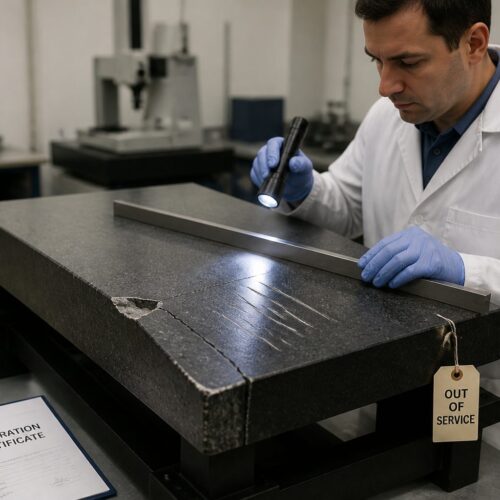
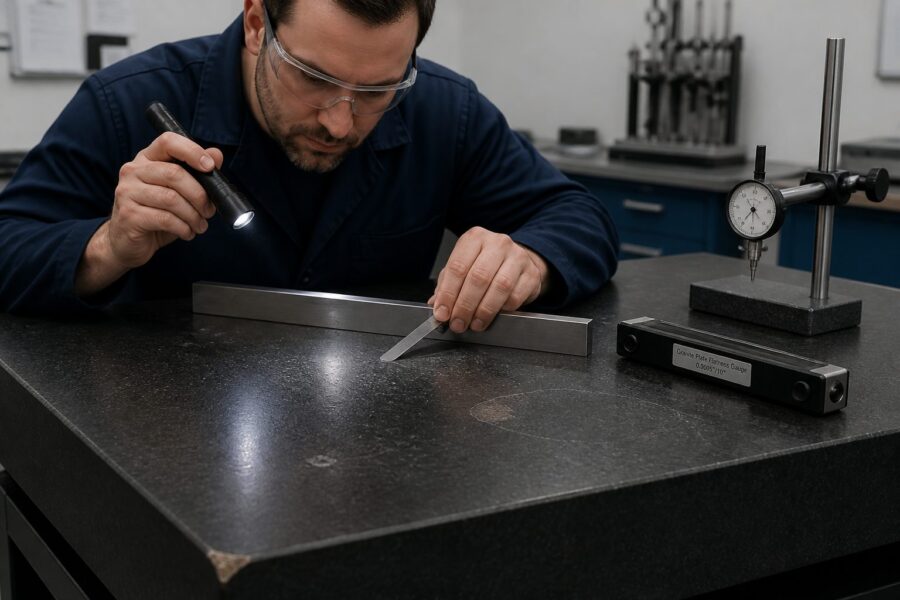
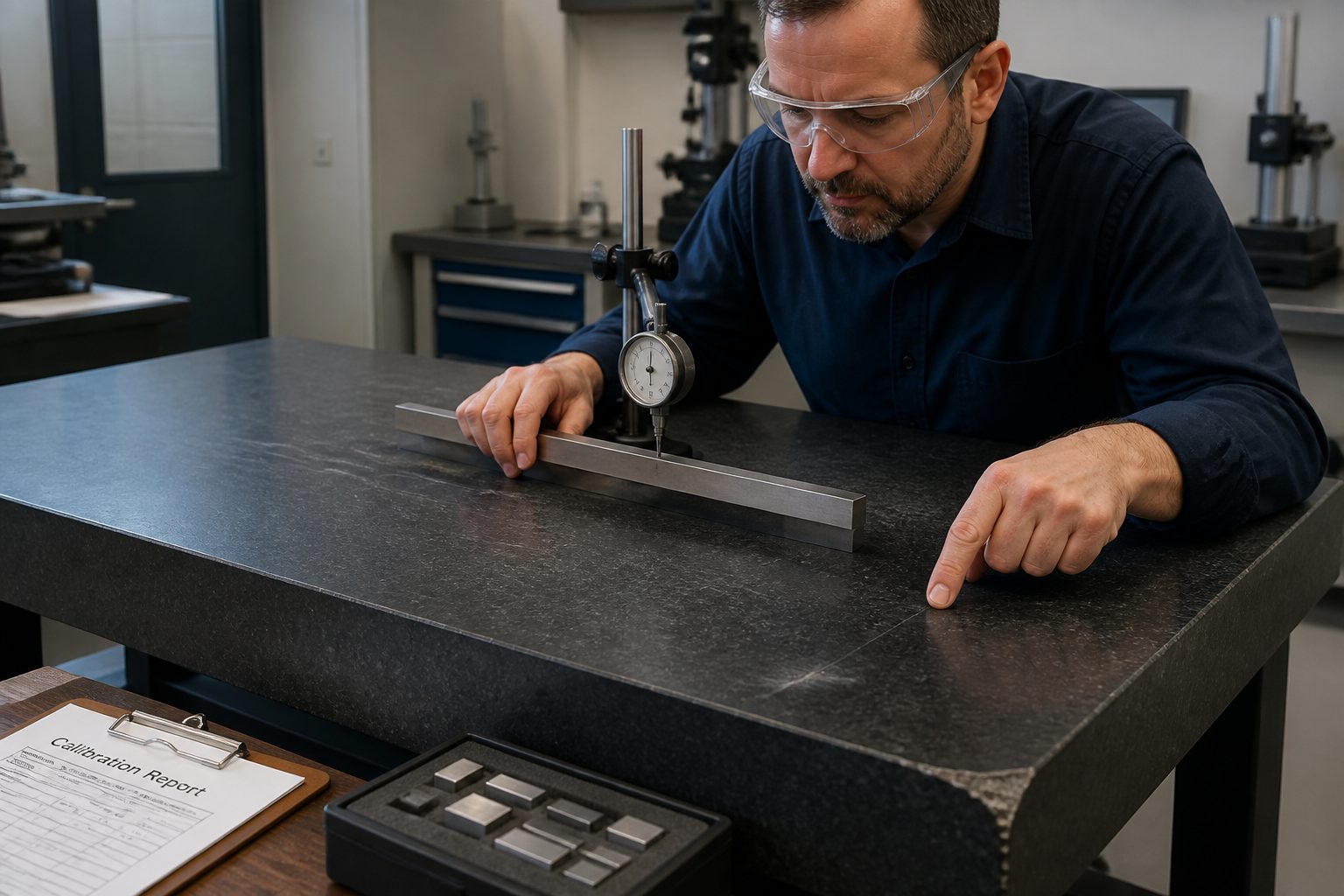
One of the most immediate surface plate reconditioning signs you can observe is a change in the plate’s surface appearance. Areas that were once a uniform matte finish might develop a distinct sheen or polished look. This shine indicates material removal, where the granite has been worn down by repeated contact with parts or tools.
Another clear indicator is the presence of visible tracks or grooves, often appearing as fine lines or broader depressions on the surface. These wear patterns typically form in areas where instruments or workpieces are frequently slid across the plate. Such physical changes directly compromise the plate’s flatness, leading to measurement inaccuracies.
| Visible Sign | What It Looks Like | Implication for Accuracy |
|---|---|---|
| Polished Spots (Shine) | Smooth, reflective patches, often darker than surrounding areas. | Material removed, creating a localized low spot. |
| Wear Tracks/Grooves | Fine lines or shallow depressions, often in a linear pattern. | Path of frequent tool/part movement, impacting local flatness. |
| Edge Breakage/Chipping | Small chips or fractures along the plate’s perimeter. | Compromises reference edges, can propagate further if ignored. |
| Discoloration/Stains | Persistent dark or light areas not removed by cleaning. | Deep penetration of contaminants, potentially masking wear. |
| Uneven Surface Texture | Areas feeling smoother or rougher to the touch than others. | Indicates varying rates of wear across the surface. |
Behavior clues: inconsistent readings and setup changes
Beyond visual indicators, behavioral clues from your measurement processes provide strong surface plate reconditioning signs. If you consistently observe inconsistent readings for the same part, even after careful setup and repeated measurements, your surface plate might be out of tolerance. These repeatability issues are a major red flag that the granite’s flatness is compromised.
Another common behavioral sign involves the need for frequent or unusual adjustments during measurement setups. If you find yourself constantly shimming workpieces or having difficulty achieving stable contact, the underlying issue could be an uneven surface plate. A truly flat surface plate should provide a stable, consistent reference without constant intervention.
Operators might also notice that measurements taken at different locations on the plate yield slightly different results for the same dimension. This positional variation directly points to localized wear or an overall deviation in the plate’s flatness. Such discrepancies undermine the reliability of any measurement performed on the plate.
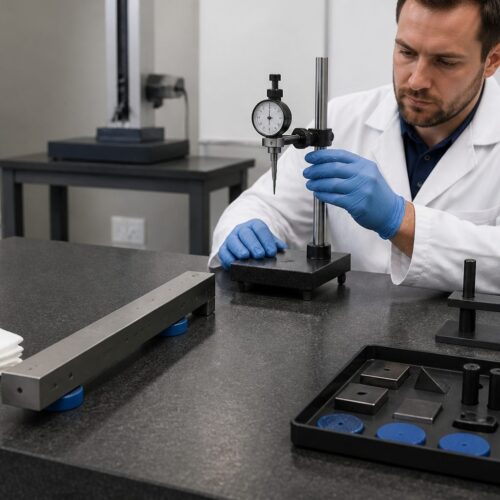
Consider how your measurement tools behave when placed on the plate. If height gages rock slightly, or if dial indicators show unexpected variations when moved across seemingly flat areas, these are strong indicators of underlying surface irregularities. These small movements can introduce significant errors into your final measurements.
Ultimately, a loss of confidence in your measurements is a powerful behavioral clue. If your team starts questioning the accuracy of data derived from the surface plate, it is time to investigate its condition. Do not let doubts linger, as they can lead to costly scrap or rework down the line.
High-use zones and why they wear faster
Certain areas of a surface plate inevitably experience more wear than others, directly influencing when surface plate reconditioning signs become apparent. High-use zones are typically found near the front edge of the plate, where operators most frequently place parts, instruments, and gaging equipment. This constant friction and pressure accelerate material removal in these specific areas.
The edges and corners of the plate are also prone to accelerated wear, particularly if parts are often slid on and off rather than gently placed. Dropping tools or workpieces, even small ones, can create localized impact points that contribute to uneven wear. Over time, these concentrated areas develop noticeable depressions or “dishing.”
Consider the typical flow of work in your facility; the areas where height gages are routinely positioned or where large fixtures are clamped will naturally degrade faster. This concentrated activity means that a significant portion of the plate’s accuracy relies on these frequently used sections. Therefore, wear here has a disproportionate impact on overall precision.
The type of material being measured also plays a role in localized wear. Abrasive materials or parts with sharp edges, even when handled carefully, can cause microscopic scratches and contribute to faster degradation. Even soft materials, if repeatedly dragged across the same spot, will eventually take their toll on the granite surface.
Understanding these high-use zones allows you to implement preventative measures and focus your inspections more effectively. Rotating the plate, if possible, can help distribute wear more evenly, although it does not eliminate the need for eventual reconditioning. Proactive management of these areas helps extend the life of your precision equipment.
How contamination and bad habits mimic wear problems
Sometimes, what appears to be a surface plate reconditioning sign might actually be an issue caused by contamination or poor operational habits. A layer of dust, oil, or even dried coolant can create an uneven surface that mimics the effects of wear, leading to inaccurate readings. Always ensure your plate is scrupulously clean before assuming physical degradation.
Bad habits, such as dragging heavy parts across the plate without protection or using the surface plate as a workbench for non-metrology tasks, also contribute to perceived issues. These actions can introduce debris, cause localized damage, or simply create unstable measurement conditions that look like wear. Proper handling and dedicated use are paramount for maintaining accuracy.
- Using abrasive cleaning agents
- Dragging parts instead of lifting them
- Placing hot or cold items directly on granite
- Using the plate for assembly or layout work
- Storing tools or parts on the surface plate
- Allowing chips or debris to accumulate
- Not wiping down the plate after each use
- Using damaged or dirty gaging instruments
- Ignoring environmental factors like temperature swings
- Failing to use a protective cover when idle
Reviewing your calibration results for trending issues
Your calibration interval review is an invaluable tool for identifying potential surface plate reconditioning signs before they become critical. Each calibration report provides a snapshot of your plate’s flatness at a specific time. Comparing these reports over several cycles reveals important trends in its condition.
Look for a consistent increase in deviation from flatness, especially in the same areas of the plate. If your plate is progressively moving out of tolerance faster than expected, this trend strongly suggests physical wear. This data offers objective evidence that goes beyond visual inspection or anecdotal behavioral clues.
Pay close attention to the “as found” data in your calibration reports. If these numbers are consistently worse than the “as left” data from the previous calibration, it indicates ongoing degradation. A rapid decline in flatness over a short calibration interval review period is a clear signal for intervention.
Calibration technicians often map the surface plate, illustrating high and low spots. Reviewing these maps over time can show if wear patterns are developing or worsening in specific high-use zones. This visual history helps confirm suspicions of localized wear that may necessitate reconditioning.
Do not just check if the plate passed or failed; analyze the numbers and the graphical representations. Understanding the rate and location of change provides foresight, allowing you to schedule surface plate reconditioning proactively rather than reactively. This prevents unexpected downtime and maintains continuous measurement accuracy.
Deciding between cleaning, recalibration, or reconditioning
When you suspect an issue with your surface plate, the first step is always thorough cleaning. Remove all visible contaminants, including dust, oil films, and any dried-on residue. Many apparent accuracy problems vanish once the plate is genuinely clean, making this the simplest and least expensive first line of defense.
If cleaning does not resolve the accuracy issues, the next step is typically a recalibration. A professional calibration service will measure the plate’s current flatness and provide a detailed report, confirming whether it is within its specified tolerance. This assessment is crucial for understanding the true extent of any deviation.
If the recalibration report shows the plate is out of tolerance, or if previous calibration interval review data indicates a worsening trend, then surface plate reconditioning becomes the appropriate course of action. Reconditioning physically restores the plate’s flatness, bringing it back into spec. It is the only option that corrects physical wear.
Consider the cost-benefit analysis of each option. Cleaning is virtually free, recalibration is a moderate expense, and reconditioning is the most significant investment. However, replacing an entire surface plate is often far more expensive than reconditioning, making it a cost-effective solution for restoring precision.
Making the right decision depends on the severity of the problem, the age of the plate, and your budget. Always start with the simplest solution and progress to more involved interventions only when necessary. This methodical approach ensures you address the actual problem efficiently, maintaining the integrity of your metrology equipment.
What to do before service arrives (prep and documentation)
Preparing your surface plate before a service technician arrives for reconditioning or calibration is crucial for an efficient and accurate process. Start by thoroughly cleaning the surface plate, removing all loose debris, oil, and grime. A clean surface allows the technician to get straight to work without additional preparation time.
Ensure the area around the surface plate is clear and accessible. Remove any tools, fixtures, or equipment that might obstruct the technician’s movement or interfere with their setup. Providing ample workspace ensures safety and allows for optimal service performance.
Gather all previous calibration reports and any internal documentation regarding the plate’s history. This includes dates of past calibrations, any repairs, and notes on observed issues like wear patterns or repeatability issues. This historical data provides valuable context for the technician.
Document any specific problems you have noticed, such as localized wear or areas where inconsistent readings occur. Pointing out these specific surface plate reconditioning signs helps the technician focus their efforts and confirm their findings. Clear communication ensures all concerns are addressed.
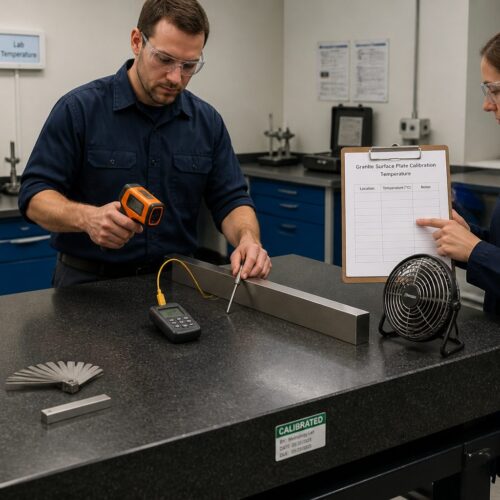
Finally, confirm the environmental conditions of the lab, especially temperature and humidity, are stable and within recommended ranges. Technicians need a consistent environment for accurate measurements and reconditioning processes. Proper preparation streamlines the service visit, leading to better results and less downtime.
How to prevent rapid re-wear after reconditioning
After investing in surface plate reconditioning, you want to ensure its restored accuracy lasts as long as possible. Implementing best practices for care and use is essential to prevent rapid re-wear. This proactive approach protects your investment and maintains your measurement precision.
Always use a protective cover when the surface plate is not in use; this keeps dust and airborne contaminants from settling on the surface. Dust acts as an abrasive, contributing to wear over time, so minimizing its presence is key. A simple cover makes a significant difference.
Train all operators on proper handling techniques, emphasizing the importance of lifting parts and gages rather than sliding them across the granite. Sliding creates friction and accelerates wear patterns, especially in high-use zones. Gentle placement preserves the delicate flatness of the surface.
Implement a strict cleaning regimen, wiping down the surface plate after each shift or as needed with a recommended cleaner. Regular cleaning prevents the buildup of abrasive particles and keeps the surface free from films that can mask true flatness. A clean plate is a lasting plate.
Consider using strategically placed wear pads or smaller, auxiliary granite plates for very high-volume or particularly abrasive operations. These sacrificial surfaces absorb the brunt of the wear, protecting your primary surface plate. This simple addition can significantly extend the interval between reconditioning services.
Setting realistic expectations for service frequency
Understanding the factors that influence surface plate service frequency helps you set realistic expectations for calibration and reconditioning. The rate at which your plate shows surface plate reconditioning signs depends heavily on its usage, environment, and initial quality. There is no one-size-fits-all schedule.
High-volume metrology labs or manufacturing environments where plates see constant, heavy use will naturally require more frequent calibration and potential reconditioning. Conversely, plates in light-use applications might maintain their accuracy for longer periods. Your operational demands largely dictate the pace of wear.
Environmental factors also play a significant role in determining service frequency. Plates exposed to significant temperature fluctuations, excessive humidity, or abrasive dust will degrade faster than those in climate-controlled, clean environments. Protecting your plate from these elements extends its life.
The grade of your surface plate (Inspection, Tool Room, or Laboratory) also impacts its initial tolerance and how quickly it might drift. Higher-grade plates are manufactured to tighter tolerances and may show deviations sooner, requiring attention to maintain their superior accuracy. Always consider the grade when assessing service needs.
Typically, a yearly calibration interval review is a good starting point for most surface plates, but this can be adjusted based on historical data and observed wear patterns. If your calibration reports consistently show minimal drift, you might extend the interval; if wear is rapid, shorten it. Adapt your schedule to your plate’s actual performance.
Conclusion
Recognizing surface plate reconditioning signs is fundamental for maintaining the accuracy and reliability of your metrology operations. From subtle visual changes like polished spots and wear patterns to behavioral clues like inconsistent readings, these indicators tell a clear story about your plate’s condition. Prompt action based on these signs protects your investment and ensures quality.
Regularly reviewing your calibration interval review data provides objective evidence of wear trends, allowing for proactive decision-making. Distinguishing between issues that require a simple cleaning, a recalibration, or full reconditioning prevents unnecessary expenses and downtime. Always start with the simplest solution before moving to more complex interventions.
Implementing best practices for care and handling after reconditioning is equally important for extending the life of your revitalized surface plate. Proper cleaning, protective covers, and operator training minimize re-wear and preserve the plate’s restored flatness. These habits are essential for long-term precision.
Your surface plate is more than just a piece of granite; it is the foundation of your precision measurements. Attending to its needs ensures that every measurement you take is dependable and accurate. Do not wait for significant errors to appear before addressing potential wear.
By understanding and acting on these clear surface plate reconditioning signs, you empower your team to uphold the highest standards of quality control. Make regular inspections and data analysis a core part of your metrology routine. Your commitment to precision starts with the care of your most fundamental tools.