
Granite surface plates are the bedrock of precision measurement, providing an unyielding reference plane for metrology applications. Their stability and flatness are paramount, yet these qualities are surprisingly susceptible to environmental fluctuations throughout the year. Ignoring these changes can lead to compromised measurement accuracy and even long-term damage to these valuable assets.
Optimizing your granite surface plate care routine is not a static task; it requires dynamic adjustments to counteract seasonal shifts. Understanding how temperature, humidity, and even air quality vary can help you protect your investment. This proactive approach ensures your metrology operations remain precise and reliable, no matter the season.
Implementing effective seasonal granite surface plate care protocols is essential for maintaining the integrity and longevity of your equipment. It’s about more than just cleaning; it involves a comprehensive strategy that adapts to the unique challenges each season presents. A well-planned maintenance schedule safeguards your plates against environmental stress, preserving their calibration accuracy.
The Dynamic Nature of Environmental Impact on Granite Plates
Granite, despite its robust appearance, is a naturally porous material that readily interacts with its surrounding environment. This interaction means that changes in temperature and humidity directly affect the plate’s physical properties, especially its flatness. Over time, these environmental influences can introduce subtle but significant deviations in measurement accuracy.
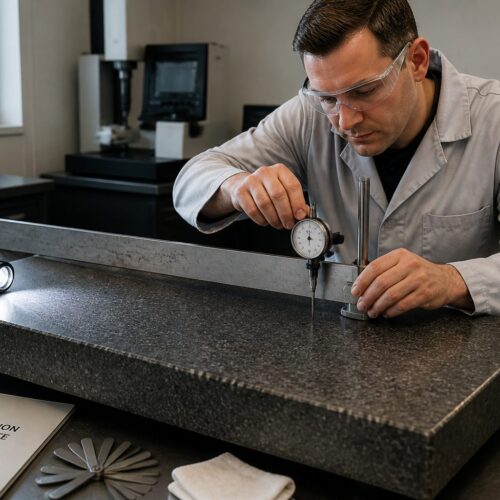
Thermal expansion and contraction are primary concerns, as granite will expand when warm and contract when cold. Uneven heating or cooling across the plate’s surface can cause temporary warping, which directly impacts measurement results. Consistent temperature control is therefore not merely a comfort factor but a scientific necessity for precision.
Humidity also plays a substantial role in the long-term stability of granite surface plates. Granite can absorb and release moisture, leading to minute dimensional changes and potentially affecting the surface finish. High humidity can even contribute to the growth of mold or mildew in neglected areas, especially underneath the plate.
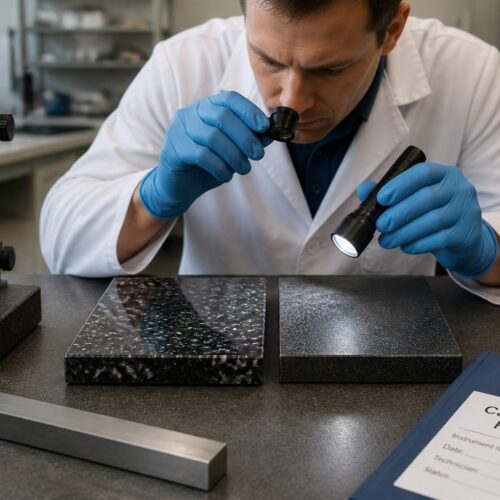
Airborne contaminants, which can vary seasonally, also pose a threat to the plate’s pristine surface. Dust, pollen, and industrial particles settle on the plate, forming an abrasive layer that can scratch the surface or interfere with contact measurements. Regular cleaning is essential to mitigate these accumulating risks.
These environmental impacts are not static; they ebb and flow with the changing seasons, demanding a flexible approach to care. Recognizing this dynamic relationship is the first step toward developing an effective seasonal granite surface plate care strategy. Your maintenance efforts must evolve to match the challenges presented by each part of the year.
Adapting Your Care Routine for Cold Weather Conditions
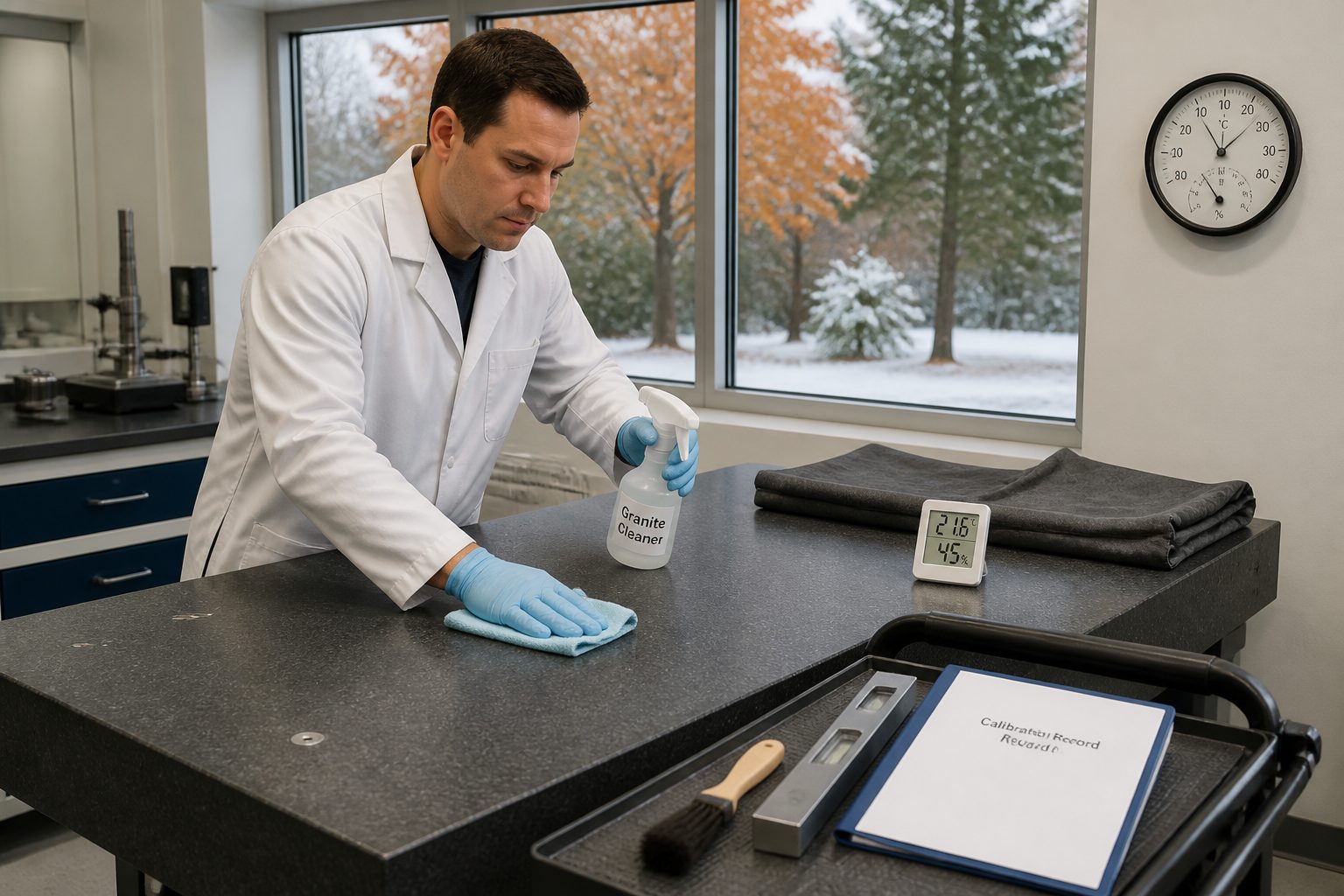
Cold weather brings a specific set of challenges for granite surface plates that demand particular attention. Indoor heating systems often reduce ambient humidity significantly, which can cause the granite to dry out and potentially shrink slightly. This lower humidity also increases static electricity, which can attract more dust and fine particles to the plate’s surface.
Another concern in colder environments is the potential for condensation if the plate’s surface temperature drops below the dew point. This can happen when cold air drafts hit a warmer plate, leading to moisture accumulation that might promote rust on metallic instruments. Implementing specific cold weather granite care protocols helps mitigate these risks, ensuring continued accuracy.
| Cold Weather Challenge | Recommended Action | Frequency |
|---|---|---|
| Low Humidity | Utilize humidifiers; apply a thin layer of specialized granite conditioner. | Daily monitoring, weekly conditioning |
| Increased Static Electricity | Use anti-static sprays or wipes on surrounding areas; ensure proper grounding. | As needed, weekly check |
| Condensation Risk | Maintain stable room temperature; avoid cold drafts directly on the plate. | Continuous monitoring |
| Dust Accumulation | Increase frequency of dry wiping with a lint-free cloth. | Daily or before each use |
| Reduced Staff Presence | Implement a remote monitoring system for temperature/humidity. | Continuous |
Special Considerations for Hot and Humid Climates
Hot and humid climates present a distinct array of challenges for maintaining the precision of granite surface plates. Elevated humidity levels can encourage the growth of mold and mildew, particularly on the underside or edges of the plate where air circulation is limited. This biological growth can compromise the aesthetic and hygienic qualities of your metrology environment.
The high moisture content in the air also increases the risk of corrosion for any metallic measuring instruments left on the surface plate. Tools not properly cleaned and stored can quickly develop rust spots, which then transfer corrosive particles to the granite. This necessitates a more diligent approach to tool management and plate cleaning.
Maintaining a consistent temperature is especially challenging in hot climates, as air conditioning systems work harder and may cycle more frequently. These cycles can introduce subtle temperature swings that, while small, can still impact the granite’s stability over time. A stable environment is absolutely essential for critical measurements.
Furthermore, the warm, moist air can carry more airborne pollutants, including dust, pollen, and other fine particles. These contaminants can settle on the hot weather surface plate, creating an abrasive layer that can degrade its flatness or interfere with sensitive measurements. Increased cleaning frequency becomes a non-negotiable part of the routine.
Proper dehumidification is paramount in these conditions, often requiring more robust HVAC settings or supplementary dehumidifiers within the metrology lab. Failing to control humidity can lead to moisture absorption by the granite, resulting in minute dimensional changes that undermine calibration accuracy. Implementing specific strategies for hot weather surface plate care will protect your investment.
Managing Temperature Swings and Their Effects
Temperature swings, whether daily or seasonal, are among the most detrimental environmental factors affecting granite surface plates. Granite expands and contracts with temperature changes, and rapid or uneven fluctuations cause stress within the material. This stress can lead to temporary distortions that directly impact measurement precision.
More severe or prolonged temperature cycling can even contribute to micro-fissures over extended periods, compromising the plate’s structural integrity and long-term flatness. Preventing these extreme swings is far more effective than trying to correct their cumulative damage. A stable temperature environment is a non-negotiable requirement for high-precision metrology.
When plates are moved between areas with different temperatures, they require a significant acclimation period before accurate measurements can be taken. Rushing this process means you are measuring on a thermally unstable surface, introducing an unpredictable variable into your results. Patience and planning are key to managing these transitions effectively.
Heating and cooling systems within a facility must be carefully calibrated to minimize localized temperature gradients across the surface plate. Even a few degrees difference from one side of the plate to the other can induce measurable warping. Regular monitoring of surface temperature across the plate can reveal these hidden issues.
The solution lies in maintaining a consistent, controlled environment around the clock, ideally within a very narrow temperature range. This reduces the thermal stress on the granite, ensuring its inherent stability and flatness remain uncompromised. Proactive management of temperature swings is a cornerstone of effective seasonal granite surface plate care.
Adjusting Cleaning Frequencies and Methods Seasonally
The frequency and methods of cleaning your granite surface plate should not remain constant throughout the year; they need to adapt to seasonal environmental conditions. Different seasons introduce varying types and amounts of contaminants, demanding a flexible approach to maintain optimal surface cleanliness. A thoughtful seasonal adjustment to your cleaning regimen helps preserve the plate’s accuracy and longevity.
For example, pollen counts are higher in spring and summer, requiring more frequent dusting and wiping to prevent abrasive buildup. Conversely, colder months might see increased static electricity drawing more fine dust particles, necessitating specialized anti-static cleaning solutions. Tailoring your approach ensures you address the specific challenges of each season effectively.
- Increase dry wiping during high pollen seasons.
- Use anti-static wipes more often in dry winter months.
- Deep clean more frequently in humid environments to prevent mildew.
- Adjust cleaning solution concentration based on ambient conditions.
- Ensure lint-free cloths are always fresh and abundant.
- Inspect for rust more often during hot, humid periods.
- Consider using air filters to reduce airborne particles.
Protecting Your Plate During Periods of Seasonal Downtime
Sometimes, a granite surface plate may not be in continuous use throughout the entire year, perhaps due to seasonal production cycles or facility maintenance. Protecting your plate during these periods of seasonal downtime is just as important as daily care. Neglecting it during storage can lead to unexpected degradation when it’s brought back into service.
Before placing a plate into seasonal storage, perform a thorough cleaning to remove all contaminants, oils, and residues. A clean surface prevents long-term etching or accumulation of harmful substances that could bond with the granite over time. This meticulous preparation sets the stage for its eventual return to service.
Ideally, stored plates should remain in a climate-controlled environment, mimicking the conditions of active use as closely as possible. This minimizes thermal stress and humidity absorption, which are major culprits in dimensional instability. Avoiding large temperature and humidity swings is paramount, even if the plate is not being actively used.
Cover the surface plate with a non-abrasive, breathable material, such as a specialized dust cover, to protect it from airborne particles and accidental damage. Avoid using plastic sheeting directly on the surface, as it can trap moisture and promote condensation. Proper covering shields the precision surface from environmental hazards.
Even during downtime, periodic inspections are advisable to check for any unexpected changes in the environment or on the plate’s surface. These checks ensure that any developing issues are caught early, preventing minor problems from escalating into costly repairs. Implementing annual maintenance changes for storage protocols will extend the lifespan of your equipment.
The Role of HVAC Systems in Maintaining Stable Conditions
The heating, ventilation, and air conditioning (HVAC) system is arguably the most critical component in maintaining the ideal environment for granite surface plates. A well-designed and properly functioning HVAC system ensures consistent temperature and humidity levels, which are fundamental to measurement accuracy. Without stable environmental control, even the finest granite plate will struggle to hold its calibration.
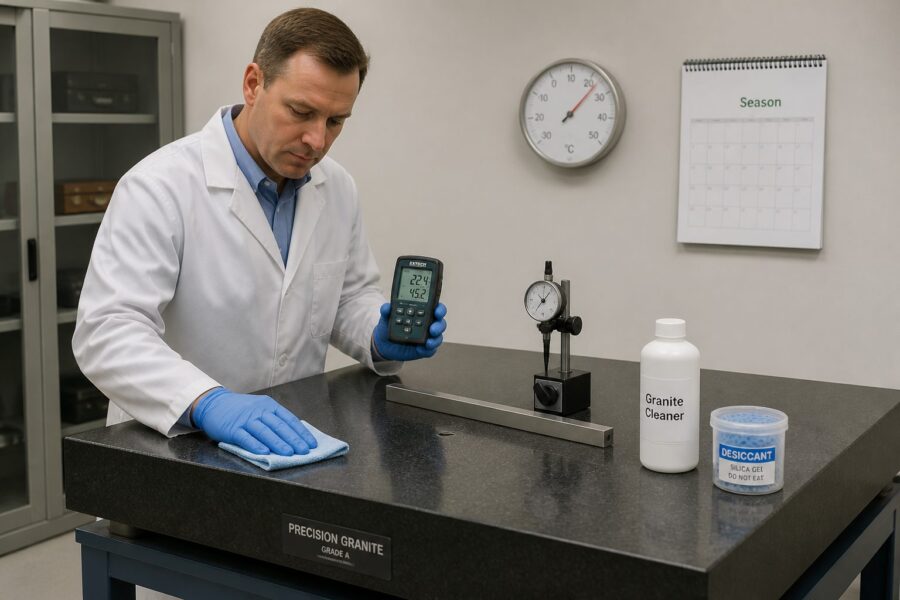
Precision metrology labs typically require temperature stability within a very narrow range, often ±1°F (±0.5°C) or even tighter, and humidity levels between 40-60%. The HVAC system must be capable of consistently delivering these conditions, regardless of external seasonal variations. Investing in a robust and precise HVAC setup is investing directly in your metrology capabilities.
Regular maintenance of your HVAC system is not merely a facility upkeep task; it is an integral part of your seasonal granite surface plate care. Dirty filters, malfunctioning sensors, or inefficient compressors can lead to temperature and humidity fluctuations that directly impact your measurements. Schedule professional HVAC inspections and tune-ups annually to ensure peak performance.
Consider implementing zoned HVAC controls if your facility has multiple metrology areas with varying requirements or external exposures. This allows for more precise environmental management in critical areas, preventing cross-contamination of air quality or temperature from less sensitive zones. Such an approach maximizes efficiency and control where it matters most.
The HVAC system also plays a role in air filtration, reducing airborne particles that can settle on the surface plate and compromise its cleanliness. Ensuring high-efficiency particulate air (HEPA) filters are used and changed regularly contributes significantly to a clean metrology environment. A reliable HVAC system is your primary defense against seasonal environmental fluctuations.
Monitoring Environmental Data Throughout the Year
Effective seasonal granite surface plate care relies heavily on understanding the environmental conditions surrounding your equipment at all times. Continuous monitoring of temperature and humidity provides invaluable data, allowing you to identify trends and react proactively to potential issues. Guessing about your environment is a recipe for compromised precision.
Invest in reliable data logging equipment, such as digital thermometers and hygrometers with recording capabilities, to track conditions 24/7. These devices provide a historical record that can reveal seasonal patterns, helping you anticipate when specific adjustments to your care routine will be most critical. This data transforms guesswork into informed decision-making.
Analyzing this environmental data over time can help pinpoint periods of particular stress on your granite plates, such as extreme cold weather granite care demands or hot weather surface plate challenges. You might discover that certain times of the year consistently push your lab’s conditions out of optimal ranges. Such insights are gold for planning annual maintenance changes.
Set up alarm thresholds on your monitoring equipment to alert staff immediately if temperature or humidity deviates outside acceptable limits. This real-time notification allows for swift corrective action, preventing prolonged exposure to adverse conditions. Early intervention can save significant time and resources in recalibration or repair.
Beyond temperature and humidity, consider monitoring air pressure and vibration if your applications are extremely sensitive. A comprehensive understanding of your metrology environment is the foundation for maintaining peak performance and ensuring the longevity of your granite surface plates. Data-driven decisions are always the best decisions for precision equipment.
Seasonal Checks for Stand Stability and Leveling
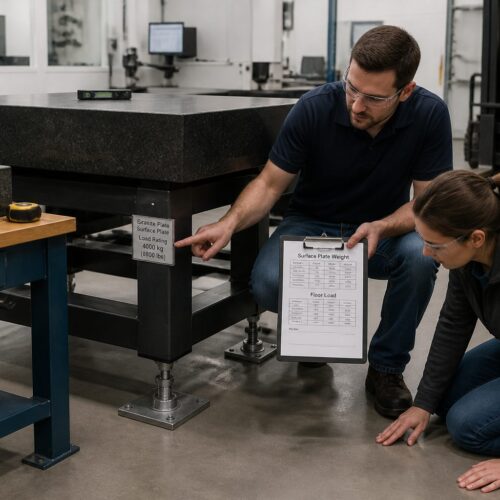
While the granite surface plate itself is incredibly stable, its foundation, the stand, is susceptible to various influences throughout the year. Seasonal changes can impact the building structure, floor integrity, and even the leveling feet of the stand, potentially compromising the plate’s critical flatness. Regular seasonal checks of stand stability and leveling are therefore essential.
Temperature fluctuations can cause expansion and contraction in the leveling screws and the stand’s metal components, leading to subtle shifts in the plate’s level. Over time, these minor movements accumulate, requiring periodic re-leveling to restore the plate’s horizontal accuracy. Ignoring these shifts can lead to measurement errors that are hard to diagnose.
Ground movement, particularly in areas with significant seasonal freeze-thaw cycles or heavy rainfall, can affect the stability of your facility’s floor. Even small structural changes can translate into minute deflections in the surface plate’s level. Inspecting the floor beneath the stand for cracks or settling is a prudent annual maintenance change.
Check all leveling screws for tightness and ensure they are free from corrosion or debris that might impede proper adjustment. Loose or corroded screws can lead to instability, making it impossible to achieve or maintain a precise level. Clean and lubricate these components as part of your routine seasonal granite surface plate care.
Always use a high-precision level, such as a sensitive electronic level or a calibrated spirit level, to re-verify the plate’s level across multiple points. Document the before-and-after readings to track any long-term trends in settling or movement. This proactive approach ensures the foundational stability required for accurate metrology.
Developing a Proactive Seasonal Maintenance Calendar
Random, reactive maintenance is a surefire way to invite unexpected downtime and compromised accuracy for your granite surface plates. Instead, developing a proactive seasonal maintenance calendar is the most effective strategy for ensuring consistent performance year-round. This structured approach allows you to anticipate needs and allocate resources efficiently.
Your calendar should integrate all aspects of seasonal granite surface plate care, from increased cleaning frequencies in dusty seasons to specific cold weather granite care protocols. It should also include scheduled checks for stand leveling and environmental monitoring equipment calibration. A comprehensive plan covers all bases, leaving no room for guesswork.
Begin by outlining monthly and quarterly tasks, then identify specific annual maintenance changes that align with seasonal transitions. For example, a thorough deep clean and environmental system check might be scheduled at the beginning of spring and fall. These strategic points ensure your equipment is prepared for upcoming challenges.
Incorporate findings from your environmental data monitoring into your calendar, adjusting frequencies or adding specific tasks as trends emerge. If you consistently see humidity spikes in summer, schedule extra dehumidifier checks and hot weather surface plate cleanings. This adaptive planning makes your maintenance truly data-driven and effective.
A well-structured calendar helps prevent small issues from escalating into major problems, minimizing costly emergency repairs and recalibrations. It promotes a culture of foresight and precision, ensuring your granite surface plates always operate at their peak. This proactive stance is the hallmark of a well-managed metrology lab.
Educating Staff on Seasonal Care Best Practices
Even the most meticulously planned seasonal maintenance calendar is only as effective as the staff who implement it. Educating your team on seasonal granite surface plate care best practices is absolutely fundamental to maintaining accuracy and longevity. Knowledgeable operators are your first line of defense against environmental degradation.
Conduct regular training sessions that cover the specific environmental challenges of each season and the corresponding care protocols. Explain why certain actions, like increased cold weather granite care or specific hot weather surface plate procedures, are necessary. Understanding the ‘why’ behind the tasks fosters greater compliance and diligence.
Provide clear, concise documentation for all seasonal care procedures, readily accessible to all personnel. This ensures consistency in practice and serves as a quick reference guide when questions arise. Standardized procedures reduce errors and ensure that everyone follows the same high standards.
Encourage staff to actively monitor environmental conditions and report any anomalies immediately. Empowering them with the tools and knowledge to identify issues early can prevent minor problems from becoming significant calibration headaches. Their vigilance is a critical component of your overall maintenance strategy.
Regular refreshers and updates to training materials are also important, especially as new equipment or environmental control systems are introduced. Keeping staff informed and engaged ensures that your seasonal granite surface plate care program remains robust and effective. A well-trained team is an invaluable asset for any precision measurement facility.
Conclusion
Maintaining the pristine condition and precision of your granite surface plates demands more than a static, one-size-fits-all approach to care. Environmental factors shift dramatically with the seasons, presenting unique challenges that require adaptable solutions. Embracing seasonal granite surface plate care is not optional; it is a critical component of effective metrology.
By understanding the dynamic impacts of temperature and humidity, implementing specific cold weather granite care and hot weather surface plate protocols, and consistently monitoring your environment, you can protect your valuable investment. Proactive adjustments and a well-informed team ensure your plates remain accurate and reliable year-round. These annual maintenance changes are essential for peak performance.
Ultimately, a comprehensive, seasonally adjusted maintenance strategy extends the lifespan of your granite surface plates and guarantees the integrity of your measurements. This dedication to precision through diligent care underscores a commitment to quality in all your metrology operations. Your foresight today will pay dividends in accuracy tomorrow.