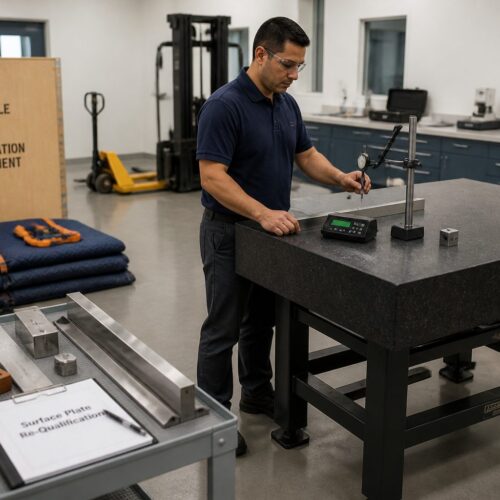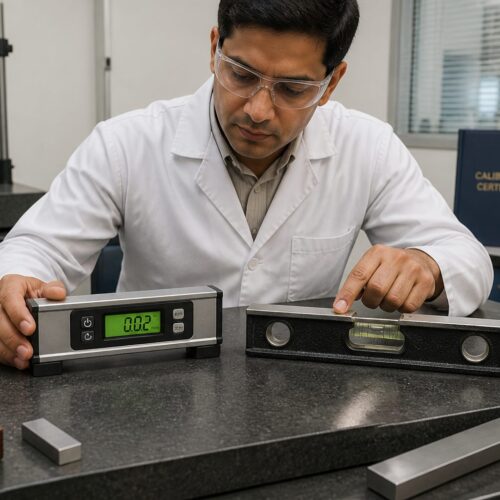

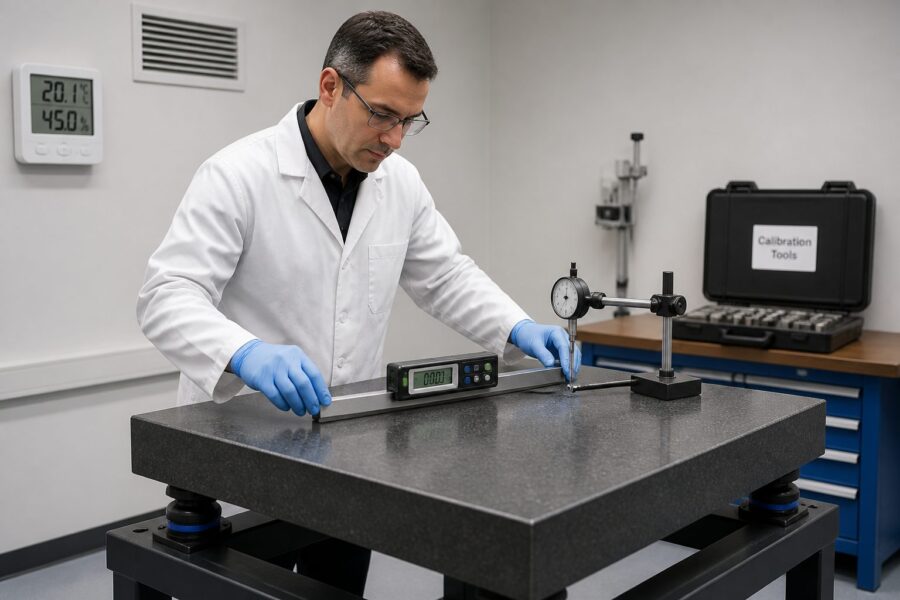
Achieving truly accurate measurements, especially when dealing with high-precision granite surface plates, depends entirely on the environment where those measurements take place. You can invest in the best equipment available, but if your lab isn’t properly designed, you’re just introducing variables that compromise your results. An optimal metrology lab setup eliminates these external influences, ensuring repeatable and reliable calibration outcomes every single time.
Surface plates are the bedrock for dimensional metrology, serving as the reference plane against which all other measurements are made. Their flatness and stability are paramount, yet they are surprisingly susceptible to changes in temperature, humidity, and even subtle vibrations. Ignoring these factors means your expensive calibration standards might not perform to their specified accuracy.
Designing a dedicated metrology lab requires careful planning and a deep understanding of physics, not just construction. This comprehensive guide will walk through the critical considerations for creating an environment where precision thrives, from site selection to advanced environmental controls and robust security measures. We will cover how to build a space that truly supports the highest levels of measurement accuracy.
The Foundation of Precision: Why Lab Environment Matters
The seemingly minor fluctuations in a laboratory environment can have significant impacts on measurement accuracy, particularly in dimensional metrology. Even slight temperature gradients can cause materials to expand or contract, directly affecting the dimensions of a workpiece or a surface plate. This physical change is often imperceptible to the human eye but easily detectable by sensitive instruments.
Humidity also plays a critical role, as moisture can lead to corrosion on metallic components and affect the stability of certain measurement equipment. High humidity levels might also encourage the growth of mold or mildew, which can damage sensitive electronics and optical components over time. Maintaining consistent lab environmental control prevents these issues from compromising your valuable assets.
Vibration is another insidious enemy of precision, as even low-frequency disturbances can introduce errors into delicate measurements. Imagine trying to measure a micrometer while the floor trembles slightly from nearby machinery or passing traffic; the readings would be inherently unstable. Proper vibration isolation systems are absolutely essential for any serious metrology operation.
Dust and airborne particles, though small, can accumulate on measurement surfaces, introducing errors or even damaging optical sensors. A speck of dust on a surface plate effectively creates a localized high spot, corrupting any measurement taken over it. Clean air and controlled contamination are not luxuries but necessities for an optimal metrology lab setup.
Ultimately, the lab environment forms the bedrock upon which all measurement confidence rests. A poorly controlled space introduces systemic uncertainty, making it impossible to trust your calibration results or the products measured within it. Investing in a meticulously designed environment pays dividends in accuracy, reliability, and reduced retesting.
Site Selection and Building Considerations for a Metrology Lab
Choosing the right location for your metrology lab is the first and perhaps most critical step in creating an optimal metrology lab setup. Avoid areas prone to significant external vibrations, such as those near heavy machinery, busy roads, or railway lines. Even seemingly distant sources of vibration can transmit through the ground and impact sensitive equipment.
When considering building design, opt for a structure that offers inherent stability and thermal mass. Heavy concrete slabs and robust foundations help to dampen vibrations and provide a more stable thermal environment, resisting rapid temperature changes. These fundamental building choices contribute significantly to long-term lab environmental control.
| Consideration Area | Optimal Choice | Potential Risk Factors |
|---|---|---|
| Vibration Sources | Remote, quiet location | Heavy industry, busy roads, rail lines |
| Thermal Stability | Heavy concrete, insulated walls | Lightweight construction, direct sunlight exposure |
| Humidity Control | Vapor barriers, low-permeability materials | Porous materials, proximity to water sources |
| Air Quality | Sealed environment, minimal air exchange with exterior | High traffic areas, industrial pollution |
| Foundation Type | Deep, isolated concrete slab | Shallow slab, shared foundation with heavy equipment |
Advanced Temperature and Humidity Control Strategies
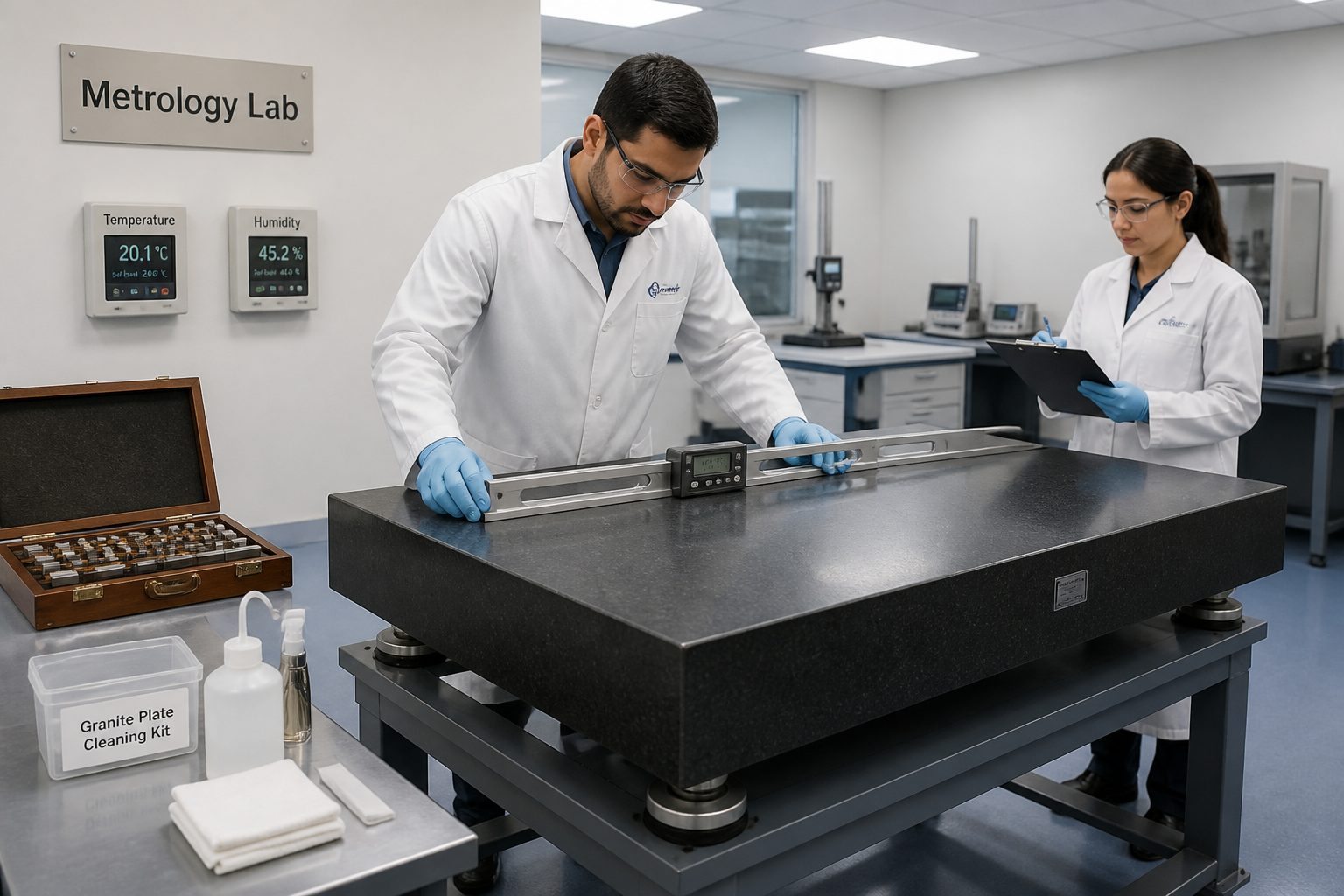
Maintaining precise temperature and humidity is paramount for any optimal metrology lab setup, especially when working with surface plates. Materials expand and contract with temperature changes, directly affecting dimensional stability and measurement accuracy. A standard temperature of 20°C (68°F) is universally accepted for dimensional metrology, and deviations from this standard introduce measurable errors.
Achieving this level of stability requires more than just a standard HVAC system; it demands a multi-zone, precision environmental control system. These systems often incorporate redundant components and advanced sensors to maintain temperature within ±0.1°C or even tighter tolerances. This meticulous lab environmental control prevents thermal drift in instruments and workpieces.
Humidity control is equally important, typically maintained between 40-50% relative humidity to prevent corrosion and electrostatic discharge. High humidity can cause water film formation on surfaces, altering optical properties and promoting rust on unprotected metal components. Low humidity, conversely, can lead to static electricity buildup, which interferes with sensitive electronic equipment.
Implementing a dedicated dehumidification or humidification system, integrated with the main HVAC, ensures consistent moisture levels. Vapor barriers in the lab’s construction prevent moisture migration through walls and floors, further supporting stable humidity. These measures are critical for preserving the integrity of both your equipment and your measurement results.
Regular calibration and maintenance of environmental sensors and control systems are non-negotiable for long-term accuracy. Without continuous monitoring and adjustment, even the most sophisticated systems can drift, compromising the controlled environment you worked so hard to establish. This ongoing vigilance ensures your metrology lab design remains effective for years to come.
Implementing Effective Vibration Isolation Systems
Vibration is a silent saboteur in metrology, capable of introducing significant errors into even the most precise measurements. Surface plates, while massive, can still transmit vibrations, affecting the stability of instruments placed upon them. An effective vibration isolation system is a cornerstone of any truly optimal metrology lab setup.
These systems work by decoupling the measurement equipment from the floor and surrounding structure, preventing external disturbances from reaching the sensitive instruments. Common solutions range from passive air-spring isolators to active electronic feedback systems that counteract incoming vibrations. The choice depends on the level of precision required and the severity of ambient vibrations.
For large equipment like CMMs or heavy surface plates, a dedicated, isolated concrete slab is often the first line of defense. This massive block of concrete is physically separated from the main building foundation, resting on its own independent footings or a layer of vibration-absorbing material. This physical separation prevents structural vibrations from transferring directly.
Smaller, more sensitive instruments, such as interferometers or profilometers, often require individual isolation tables placed on top of the isolated slab. These tables typically feature pneumatic or spring-based damping mechanisms that further reduce micro-vibrations. Combining these layers of isolation provides a robust defense against unwanted motion.
Proper installation and regular inspection of vibration isolation systems are essential to ensure their continued effectiveness. Gaps in the isolation, damaged components, or incorrect pressure settings in air systems can negate their benefits entirely. This continuous attention to detail is what separates a good metrology lab from an exceptional one.
Lighting Requirements for Accurate Visual Inspection and Readings
Appropriate lighting in a metrology lab is far more than a matter of comfort; it directly impacts the accuracy of visual inspections and instrument readings. Poor lighting can lead to operator fatigue, misinterpretation of scales, and an inability to detect subtle surface imperfections on items like surface plates. An optimal metrology lab setup considers both quantity and quality of illumination.
Uniform, glare-free illumination is the primary goal, preventing harsh shadows or bright spots that can obscure details or cause eye strain. Overhead fluorescent or LED fixtures with diffusers are often preferred for general ambient lighting, providing consistent light levels across the workspace. This even distribution helps maintain visual clarity during prolonged measurement tasks.
Air Quality and Contamination Control for Sensitive Measurements
Maintaining pristine air quality is a fundamental requirement for protecting sensitive metrology equipment and ensuring measurement integrity. Dust, aerosols, and other airborne contaminants can settle on precision surfaces, impacting readings or causing wear on moving parts. An effective lab environmental control strategy includes robust contamination prevention.
Implementing a positive pressure environment within the lab helps keep external contaminants out. This involves supplying filtered air into the lab at a slightly higher pressure than the surrounding areas, causing air to flow outwards when doors are opened, rather than allowing unfiltered air to rush in. This simple principle is highly effective for maintaining cleanliness.
- Install high-efficiency particulate air (HEPA) filters
- Maintain positive air pressure
- Implement strict gowning protocols
- Use sticky mats at entry points
- Regularly clean surfaces with appropriate materials
- Minimize paper and cardboard usage
- Control personnel movement
Ergonomics and Workflow Optimization in Lab Design
Beyond environmental controls, an optimal metrology lab setup must also prioritize the comfort and efficiency of its operators. Poor ergonomic design can lead to fatigue, repetitive strain injuries, and a decrease in concentration, all of which can introduce human error into critical measurements. Thoughtful metrology lab design considers how people interact with their workspace.
Workstations should be adjustable to accommodate different body types, allowing operators to maintain neutral postures whether standing or sitting. Adjustable height benches, chairs with lumbar support, and monitor arms are standard features in well-designed labs. These adjustments help reduce physical stress during long measurement sessions.
Workflow optimization involves arranging equipment logically to minimize unnecessary movement and handling of delicate instruments or workpieces. Tools, reference standards, and measurement devices should be easily accessible, reducing the time and effort required for each task. A clear, uncluttered workspace also promotes better focus and fewer accidents.
Consider the path of a part through the lab, from receipt and cleaning to measurement and final inspection. Designing a linear or U-shaped flow can prevent bottlenecks and reduce the risk of cross-contamination or accidental damage. This systematic approach ensures that operations are smooth and efficient, supporting the overall goal of precision.
Adequate storage for tools, fixtures, and reference standards keeps the workspace tidy and protects valuable assets from damage or dust. Implementing shadow boards for hand tools and dedicated cabinets for calibration artifacts ensures everything has its place. This organized approach contributes significantly to both efficiency and the longevity of equipment.
Stable Power Supply and Proper Electrical Grounding
The reliability of measurement equipment hinges on a clean and stable power supply, making it a critical component of any optimal metrology lab setup. Fluctuations in voltage, frequency, or the presence of electrical noise can directly impact the performance of sensitive electronics. These power issues might lead to inconsistent readings or even damage to instruments.
Dedicated electrical circuits, isolated from heavy machinery or other high-demand equipment, are essential for metrology labs. This isolation prevents electrical spikes or dips caused by other devices from affecting the lab’s instruments. Investing in uninterruptible power supplies (UPS) and voltage regulators provides an extra layer of protection, ensuring continuous, stable power.
Proper electrical grounding is equally important for both safety and measurement accuracy. A robust grounding system dissipates stray electrical currents and minimizes electromagnetic interference (EMI) that can disrupt sensitive electronic instruments. Poor grounding can introduce noise into measurement signals, making accurate readings impossible.
A single-point ground system, where all equipment is connected to a common ground point, is often recommended for metrology applications. This configuration prevents ground loops, which can create unwanted voltage differences and introduce noise into the system. Consulting with an electrical engineer specializing in precision environments is always a good idea.
Regular checks of the electrical infrastructure, including grounding integrity and power quality, are crucial for maintaining an optimal environment. Over time, connections can loosen or components can degrade, compromising the system’s effectiveness. Proactive maintenance prevents unexpected power-related issues from impacting your critical work.
Security and Access Control for High-Value Equipment
Protecting high-value metrology equipment, including precision surface plates and calibration standards, is a non-negotiable aspect of metrology lab design. These instruments represent significant financial investments and are often irreplaceable, making robust security measures absolutely essential. An optimal metrology lab setup includes comprehensive access control.
Restricting access to authorized personnel only minimizes the risk of theft, damage, or unauthorized tampering with equipment. Keycard access systems, biometric scanners, or traditional keyed locks on lab doors provide physical barriers to entry. Implementing multiple layers of security, such as secure storage within the lab itself, adds further protection.
Video surveillance systems, both inside and outside the lab, offer a continuous record of activity and act as a deterrent to potential intruders. Modern IP cameras can provide high-resolution footage and integrate with alarm systems for instant alerts. Regular review of surveillance footage can also help identify any unusual activity or procedural breaches.
An alarm system, monitored by a central security service, provides immediate notification in case of a breach, fire, or other emergency. Integrating environmental sensors into the alarm system can also alert staff to critical temperature or humidity deviations, protecting equipment from environmental hazards. These systems are invaluable for safeguarding your assets.
Establishing clear protocols for equipment usage, handling, and storage also contributes to security by reducing accidental damage or misuse. Training all personnel on these procedures and enforcing strict adherence ensures that the equipment is treated with the care it deserves. This combination of physical security and procedural discipline creates a truly secure environment.
Maintaining and Monitoring the Metrology Lab Environment
Building an optimal metrology lab setup is only the first step; continuous maintenance and monitoring are essential to preserve its integrity over time. Environmental conditions can drift, equipment can malfunction, and contamination can accumulate, all of which compromise measurement accuracy. Proactive monitoring prevents these issues from escalating.
Implement a comprehensive environmental monitoring system that continuously tracks temperature, humidity, air pressure, and even vibration levels. These systems can log data, generate reports, and trigger alerts if any parameters fall outside specified tolerances. Real-time data provides immediate feedback on the lab’s performance.
Regular calibration of environmental sensors ensures that the data being collected is accurate and reliable. Just like your measurement instruments, the sensors themselves can drift over time and require periodic adjustment or replacement. This commitment to accuracy extends to every aspect of lab environmental control.
Scheduled cleaning protocols, tailored to the specific needs of a metrology lab, are crucial for contamination control. This includes using appropriate cleaning agents, lint-free wipes, and vacuum systems with HEPA filters to avoid reintroducing particles into the air. Maintaining a clean workspace directly supports the precision of your measurements.
Routine maintenance of HVAC systems, air filters, and vibration isolators prevents breakdowns and ensures continuous performance. Proactive servicing catches potential problems before they impact the lab’s environmental stability, saving both time and costly repairs. This diligent approach is fundamental to sustaining a high-performance metrology environment.
Conclusion
Designing and maintaining an optimal metrology lab setup for surface plate calibration is a complex undertaking, but it’s an investment that pays dividends in accuracy and confidence. Every element, from the initial site selection to the ongoing environmental monitoring, plays a critical role in creating a truly precise measurement environment. You cannot expect world-class measurements from a compromised setting.
Careful consideration of lab environmental control, including advanced temperature and humidity regulation, is fundamental. Implementing robust vibration isolation systems prevents external disturbances from corrupting sensitive readings, protecting your valuable instruments. These foundational elements ensure your granite calibration standards perform at their best.
Beyond the core environmental factors, thoughtful metrology lab design incorporates effective lighting, stringent air quality control, and ergonomic workstations. These considerations not only enhance measurement accuracy but also improve operator comfort and efficiency. A holistic approach leads to a more productive and reliable lab.
A stable power supply, proper electrical grounding, and comprehensive security measures safeguard your high-value equipment and intellectual property. These often-overlooked aspects are just as important as climate control in ensuring the longevity and integrity of your operations. Every detail contributes to a secure and functional space.
Ultimately, a meticulously planned and maintained metrology lab is not just a room; it is a precisely controlled instrument in itself. By adhering to these guidelines, you create an environment where precision is not just an aspiration but a consistent reality. This commitment to excellence ensures the highest standards of quality and reliability in all your metrology endeavors.